
Savor Tradition, Taste the Future
Historical Background
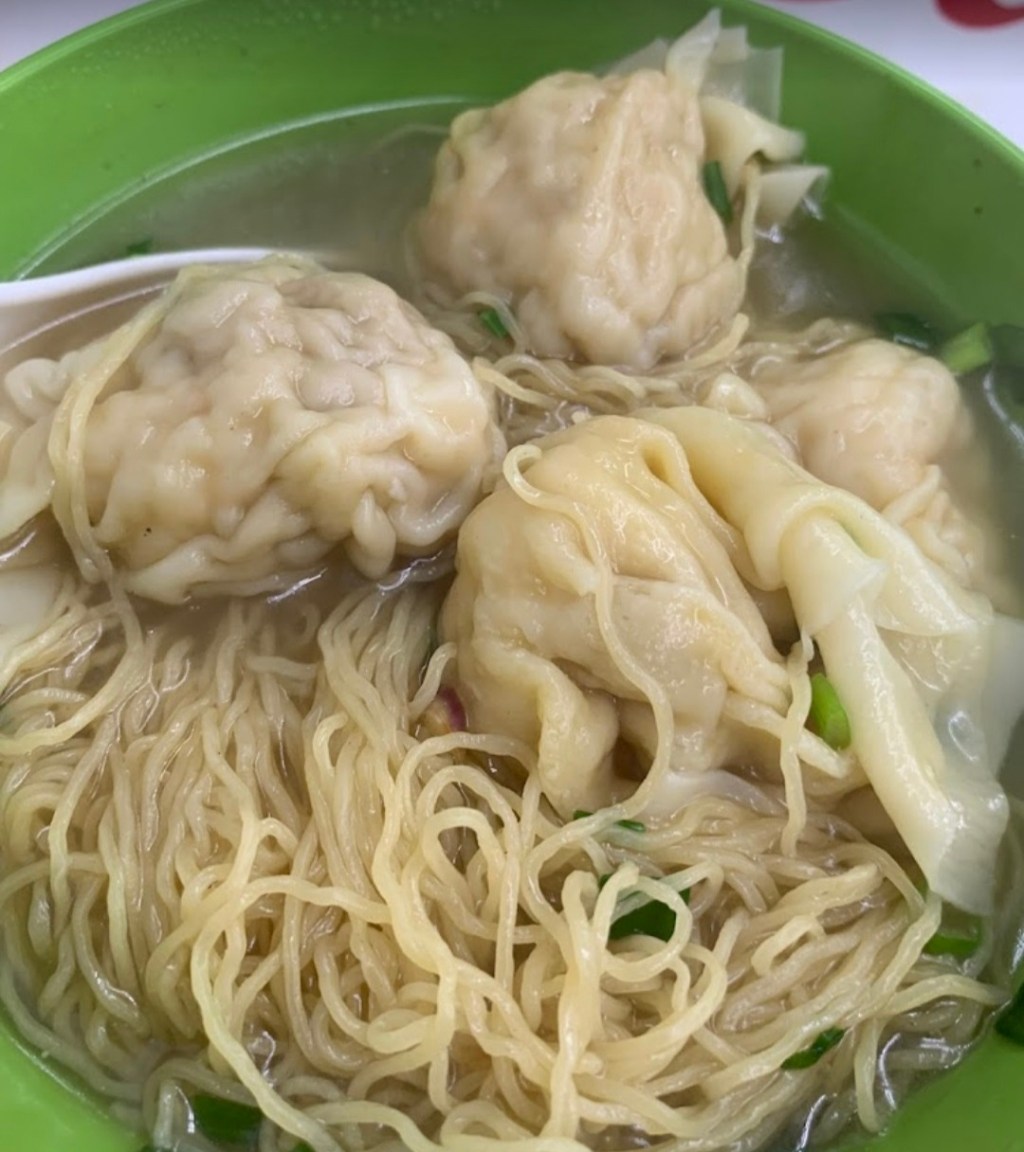
Wonton noodles, also known as “wanton mee” or “wantan mein”, have a rich history dating back to the Tang Dynasty (618-907 CE), making them a beloved culinary treasure of Chinese cuisine. The dish originated in Hunan province and later made its way to Guangzhou and Hong Kong, where it evolved and gained regional variations that reflect local tastes and ingredients. During the post-war period in the late 1940s, wonton noodles and congee became exceptionally popular in Hong Kong, symbolizing comfort and home for many residents amid the city’s rapid urbanization. The Big Four families—Ho Hung Kee, Chiu Kee, Chee Kee, and Wing Kee—not only played a significant role in popularizing the dish but also contributed to its cultural legacy by establishing renowned eateries that drew in both locals and tourists. With each chef adding their unique touch, the noodles are often served in a savory broth, topped with succulent wontons filled with pork and shrimp, creating a mouthwatering experience that has stood the test of time and continues to delight diners around the world.
Cultural Significance
Wonton noodles have become an integral part of Hong Kong’s culinary culture. The dish is often associated with comfort and nostalgia, providing a sense of home for many Hong Kongers. Whether enjoyed during a busy lunch hour or as a late-night snack, wonton noodles evoke cherished memories of family meals and local eateries. It’s also a staple at festive occasions and family gatherings, where it is served to convey love and togetherness. The noodles symbolize longevity and prosperity, making them a popular choice for celebrations. Their delicate texture and rich broth not only tantalize the taste buds but also connect generations through shared culinary traditions, reinforcing the unique cultural identity of Hong Kong.
Development and Variations
Over the years, wonton noodles have evolved, with various regional variations that reflect local tastes and ingredients. In Hong Kong, the noodles are typically served in a hot, light brown broth made from dried flounder, pork bones, and shrimp shells, which infuses the dish with a rich umami flavor that warms the soul. The wontons, expertly crafted, are filled with a mixture of finely minced pork and succulent shrimp, giving them a unique flavor that is both savory and slightly sweet. These delicate dumplings are often enhanced with a touch of ginger and green onions, adding layers of aroma and freshness. The noodles are cooked al dente to achieve that perfect texture, and are garnished with leafy vegetables like gai-lan (Chinese broccoli) that provide a delightful crunch and a pop of color, making this dish not only a culinary delight but also a feast for the eyes. Additionally, some variations may include a drizzle of sesame oil or a sprinkle of white pepper, further elevating the dish’s complexity and appeal.
Modern-Day Implications
Today, wonton noodles are not just a street food staple but also a feature in high-end restaurants, where chefs elevate the dish by experimenting with unique ingredients and presentation styles that cater to a more gourmet palate. This transformation reflects the evolving culinary landscape of Hong Kong, blending traditional techniques with modern influences and global flavors. The dish has been recognized as an intangible cultural heritage of Hong Kong, highlighting its importance in preserving culinary traditions and showcasing the rich history of food culture in the region. The noodle-making process, especially the use of a bamboo pole to knead the dough, is a testament to the craftsmanship and dedication of noodle makers, who often dedicate years to refining their skills, ensuring that every strand of noodle achieves the perfect texture and flavor. This meticulous attention to detail not only preserves the integrity of the dish but also honors the generations of artisans who have contributed to its enduring legacy.
 Ignite and Achieve