
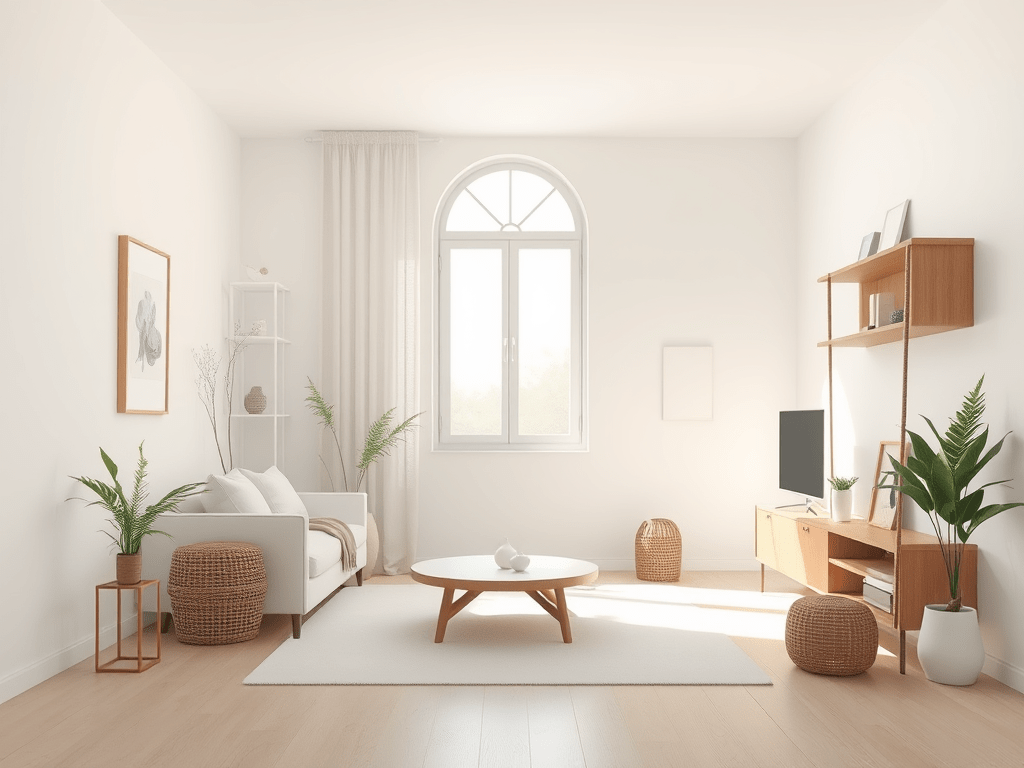
Minimalism is more than just a design aesthetic; it’s a lifestyle and mindset that emphasizes simplicity, intentionality, and mindfulness. At its core, minimalism encourages individuals to declutter not only their physical spaces but also their mental landscapes, allowing for a more focused and meaningful existence. By stripping away the non-essential, practitioners of minimalism can cultivate a life rich in purpose and fulfillment, where each item and every choice holds significance. This philosophy extends beyond material possessions, influencing how one approaches relationships, commitments, and even daily routines. Here’s an in-depth look at minimalism:
Embrace Simplicity, Live Fully: Discover the Power of Minimalism
Historical Roots
Minimalism has deep roots in various cultures and philosophies, notably Zen Buddhism and Japanese aesthetics. Zen Buddhism emphasizes meditation, intuition, and the appreciation of the fleeting nature of life, which translates into simplicity and natural beauty in art and daily life. This philosophical approach encourages individuals to strip away the unnecessary distractions of modern existence, focusing instead on the essential elements that foster tranquility and mindfulness. Traditional Japanese tea ceremonies, characterized by their meticulous attention to detail and serene settings, reflect these principles with deliberate, unembellished elements. Similarly, Japanese architecture often features clean lines and harmonious spaces that invite nature indoors, promoting a sense of peace and balance. Garden design, too, embodies these ideals through its careful arrangement of natural materials, such as stones, water, and plants, creating intimate environments that foster reflection and connection to the surrounding world. Through these practices, minimalism emerges as not only an aesthetic choice but also a way of life that resonates deeply with humanity’s quest for meaning and clarity in an ever-complex world.
Art and Design
In the 20th century, minimalism emerged as an influential art movement, reacting against the elaborate styles of previous eras, particularly the ornate aesthetics of the Baroque and Rococo periods, which were characterized by extravagance and complexity. Minimalist art focuses on basic geometric shapes, limited color palettes, and the idea that “less is more,” emphasizing simplicity and clarity. This philosophy extends beyond the canvas into the realms of architecture and product design, where every element is intentional and functional, often highlighting the importance of negative space. In this regard, minimalist architecture often features clean lines and open spaces that invite tranquility, while minimalist product design seeks to strip away unnecessary features, fostering a seamless user experience that prioritizes ease of use and efficiency. The impact of minimalism can also be seen in contemporary visual culture, where the quest for simplicity continues to resonate, challenging creators to reflect on what is essential and to communicate ideas with greater precision and artistry.
Lifestyle and Mindset
Minimalism as a lifestyle encourages people to declutter their physical spaces and simplify their lives, fostering a sense of peace and tranquility in an increasingly chaotic world. This approach can lead to reduced stress, increased productivity, and a greater appreciation for what truly matters, allowing individuals to remove distractions that hinder their personal progress. By eliminating unnecessary possessions and commitments, individuals can focus on experiences, relationships, and personal growth, nurturing connections that add value to their lives rather than being weighed down by material items. Embracing minimalism can also inspire creativity, prompting people to seek joy in the simple pleasures around them, such as spending time in nature, engaging in meaningful conversations, or pursuing hobbies that resonate with their true selves.
Benefits of Minimalism
Research shows that minimalism has several science-backed benefits. Reducing clutter can lower stress and anxiety levels, as a tidy environment is linked to lower cortisol levels, which are often associated with increased stress. In fact, studies have demonstrated that individuals who maintain a decluttered space report feeling a greater sense of well-being and calm. Simplifying your surroundings can also improve focus and productivity, as a clear space allows the brain to concentrate better and minimizes distractions that can impede progress. When our environment is organized and free from excess, we are better equipped to tackle tasks efficiently. Additionally, minimalism can lead to financial savings, as people buy fewer things and focus on quality over quantity, ultimately enabling them to invest in experiences and items that truly add value to their lives. This shift not only fosters a more intentional lifestyle but also aids in the development of gratitude, as individuals learn to appreciate what they already possess rather than constantly seeking more.
Modern Minimalism
Today, minimalism continues to influence various aspects of life, from interior design to fashion and even digital spaces. The minimalist ethos promotes sustainability, as it encourages mindful consumption and reduces waste, making a significant impact on modern environmental practices. By prioritizing quality over quantity, individuals are inspired to invest in fewer, more meaningful items that enrich their lives. It also fosters a sense of freedom and contentment, as individuals learn to find joy in simplicity rather than material possessions, allowing for a clearer mindset and reduced stress. This lifestyle philosophy not only enhances personal well-being but also cultivates a deeper appreciation for the world around us, leading to a more intentional and fulfilling way of living.
Challenges and Considerations
While minimalism offers many benefits, it’s important to balance it with personal expression and individual needs. Striving for minimalism shouldn’t lead to deprivation or a lack of creativity; instead, it should enhance one’s capacity to innovate and think outside the box. A well-curated minimalist environment can stimulate creativity by removing distractions and enabling clarity of thought. Embracing minimalism should empower individuals to evaluate what truly matters to them, leading to a more intentional lifestyle. This approach helps ensure that individuals do not sacrifice their passions and inspirations in pursuit of a less cluttered life. Instead, it should be a tool for authenticity and intentional living, helping individuals create spaces and lives that reflect their true selves while allowing for personal growth and dynamic self-expression. By incorporating elements that evoke happiness and meaning, minimalism becomes a harmonious blend of simplicity and richness, enriching everyday experiences.
Conclusion:
Minimalism is a powerful philosophy that can transform how we live, work, and interact with the world around us. By embracing simplicity and intentionality, we can cultivate a more meaningful and fulfilling life. This approach encourages us to evaluate our possessions and commitments critically, allowing us to let go of what no longer serves us. As we declutter our physical spaces, we also create mental clarity, which opens the door to greater creativity and focus. Furthermore, minimalism promotes mindfulness, urging us to appreciate the present moment and prioritize experiences over material goods. Ultimately, adopting a minimalist lifestyle can lead to deeper relationships and a stronger sense of purpose, enriching our everyday experiences and creating a more authentic existence.

 Ignite and Achieve