
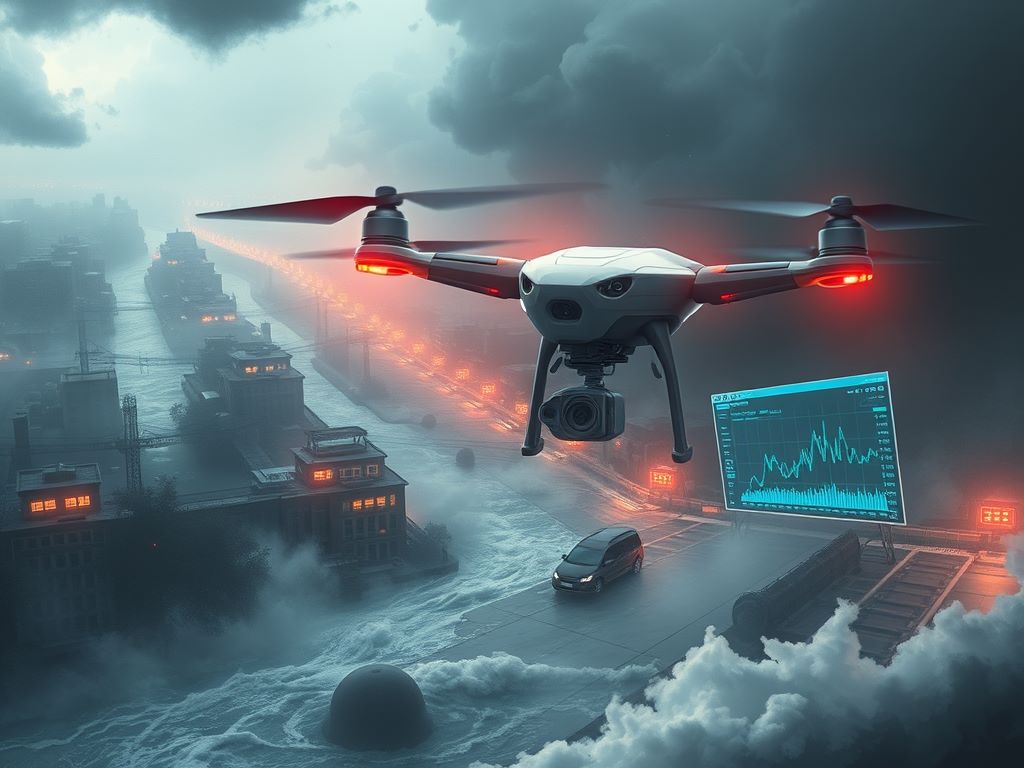
In a rapidly changing world, the intersection of AI and disaster management is revolutionizing how we respond to natural and human-made calamities. As climate change accelerates and the frequency of extreme events rises, there’s an urgent need for innovative solutions to predict, prepare for, and mitigate disasters. Enter AI: a game-changer with the potential to save lives and transform response strategies through enhanced predictive analytics, real-time data processing, and advanced robotic technology.
From more accurate early-warning systems to AI-driven drones capable of surveying disaster zones, the advancements in artificial intelligence are poised to dramatically improve disaster management. This integration promises not only to streamline emergency responses but to create resilient systems that can adapt and react to ever-evolving threats. As we embrace these cutting-edge technologies, we take a significant step towards a safer, more prepared future.
Advanced Predictive Analytics
AI will increasingly leverage predictive analytics, processing vast amounts of data from sensors, satellites, and social media to forecast disasters with higher accuracy. By integrating diverse data sources, AI algorithms can identify patterns and anomalies that may indicate potential threats, enabling authorities to respond proactively. Improved predictions will not only enable better preparedness and timely evacuations but also facilitate the allocation of resources in areas likely to be affected, ensuring that communities are equipped to handle emergencies effectively. Furthermore, as these technologies evolve, they can enhance communication strategies, providing real-time updates to the public and fostering greater resilience in the face of natural calamities. Ultimately, harnessing the power of AI for disaster prediction promises to significantly reduce the impact of such events, saving lives and minimizing economic losses.
Enhanced Early Warning Systems
AI-driven early warning systems will become more sophisticated, integrating real-time data from various sources to detect anomalies and issue alerts sooner, which is vital in minimizing the loss of life and property during natural disasters. These advanced systems will likely offer multi-hazard early warnings, effectively addressing earthquakes, tsunamis, floods, and other hazardous events simultaneously, providing communities with crucial information to prepare and respond quickly. Additionally, they may utilize machine learning algorithms to analyze patterns and enhance predictive capabilities, ensuring that alerts are not only timely but also highly accurate, thus reducing false alarms and fostering trust within the communities they serve. As technology continues to advance, these systems will play an increasingly pivotal role in disaster risk management and resilience, equipping authorities with the tools necessary to safeguard lives and mitigate the impacts of unforeseen natural occurrences.
AI-Powered Drones and Robotics
Drones and robots, equipped with AI, will play crucial roles in disaster response and recovery. Drones can quickly assess damage, locate survivors, and deliver essential supplies, while robots can perform search and rescue operations in hazardous environments. These advanced technologies not only enhance the efficiency of rescue efforts but also ensure the safety of human responders by taking on the most dangerous tasks. For instance, drones equipped with thermal imaging cameras can identify heat signatures, helping to locate individuals trapped under debris, while ground robots can navigate complex terrains, transporting medical aid and food to those in need. Furthermore, the integration of real-time data analytics enables teams to streamline their operations, making informed decisions that can greatly improve the outcome of emergency situations. As the capabilities of AI continue to grow, the potential for using drones and robots in humanitarian efforts will expand, ultimately saving more lives during crises.
Digital Twin Technology
Digital twins—virtual replicas of physical systems—will be used for disaster simulation and planning, providing an innovative approach to risk management and mitigation. These advanced models can accurately mirror real-world conditions, allowing experts to evaluate and visualize the effects of various disasters in a controlled environment. AI can run countless scenarios, helping planners understand potential disaster impacts and devise optimal response strategies. By integrating real-time data, these simulations can adapt to changing circumstances, enhancing decision-making processes and enabling organizations to prepare more effectively for emergencies. Furthermore, by analyzing past events and forecasting future incidents, digital twins can facilitate training exercises that improve community resilience and ensure that resources are deployed efficiently during actual disasters.
AI-Enhanced Communication Networks
AI will improve disaster communication systems by maintaining robust and resilient networks during emergencies. This ensures that critical information is disseminated quickly and accurately, even in the most challenging situations. By utilizing real-time data analysis, AI can adapt communication strategies to meet the evolving needs of affected populations, enabling authorities to relay timely updates on safety protocols, resource availability, and evacuation routes. Furthermore, the integration of machine learning algorithms allows for predictive modeling, which can identify potential disaster scenarios before they occur, improving preparedness efforts and reducing response time. These advancements not only enhance operational efficiency but also foster greater community trust and engagement through transparent communication, ultimately saving lives during crises.
Collaborative Platforms
AI will facilitate better collaboration between governments, NGOs, and the private sector, creating an ecosystem where diverse stakeholders can work together more efficiently than ever before. Unified platforms powered by AI can streamline coordination, enhance communication, optimize resource allocation, and improve data sharing, leading to more effective collective action and decision-making processes. By harnessing advanced algorithms and machine learning techniques, these platforms can analyze vast amounts of data in real-time, offering insights that drive innovation and responsive strategies tailored to the unique challenges faced by communities. Furthermore, the integration of AI can foster transparency and trust among partners, ensuring that each entity’s contributions are recognized and valued, ultimately enriching the collaborative process and delivering tangible benefits to society as a whole.
Ethical and Responsible AI Development
Attention will be given to the ethical use of AI in disaster management. As artificial intelligence continues to evolve and play a crucial role in predicting and responding to disasters, ensuring data privacy becomes not just a necessity but a fundamental principle. Organizations must take comprehensive measures to protect sensitive information and maintain the trust of those they serve. Additionally, mitigating algorithmic bias is essential, as biased algorithms can lead to unfair outcomes and exacerbate inequalities among different communities. This necessitates the development of diverse datasets and inclusive models that accurately reflect the demographics of affected populations. Furthermore, establishing accountability will be critical; clear guidelines and frameworks must be developed to address the responsibilities of AI developers and users in the disaster management landscape. As AI’s role and influence in disaster management grow, efforts must be directed towards promoting transparency and fairness to harness the full potential of these technologies while safeguarding ethical standards.
Conclusion
As AI continues to evolve and integrate into disaster management, its transformative potential becomes increasingly evident, offering new ways to predict, prepare for, and respond to emergencies. The pioneering advancements we see today are just the beginning of a broader revolution. With ongoing dedication to ethical considerations, transparency, and technological innovations, AI will play a vital role in creating safer, more resilient communities worldwide, addressing not only physical but also social vulnerabilities. Embracing these emerging technologies will not only enhance our immediate responses but also equip us with the tools to anticipate and mitigate future disasters more effectively, allowing us to allocate resources more strategically and improve overall response times. Together, we can build a future where technology and humanity work hand in hand to protect and preserve life, ensuring that we foster an ecosystem where data-driven insights lead to informed decisions that ultimately save lives and strengthen community bonds in the face of adversity.
 Ignite and Achieve