
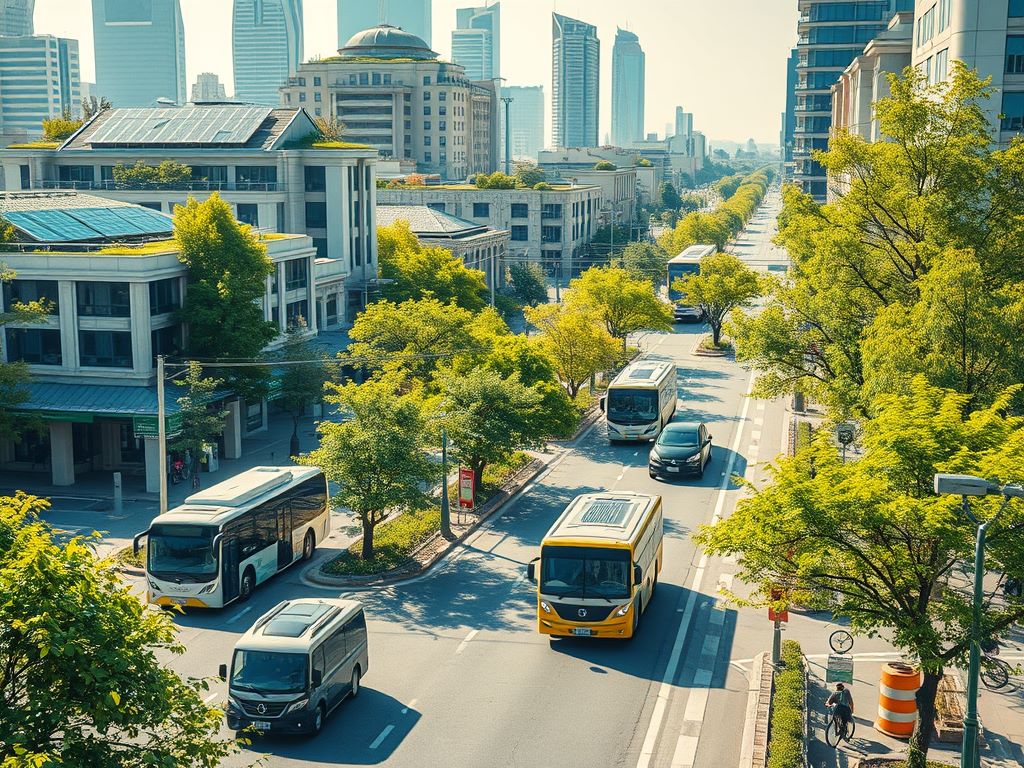
In 2025, the evolution of urban mobility is revolutionizing the way we move within our cities, making transportation more accessible and enjoyable for everyone. Smart cities and sustainable transportation solutions are at the forefront, integrating advanced technology and eco-friendly practices to create more efficient, livable, and environmentally conscious urban environments. With the deployment of electric vehicles, automated public transit systems, and an extensive network of bike lanes and pedestrian pathways, cities are not only reducing their carbon footprint but also promoting healthier lifestyles. Meanwhile, innovative apps and platforms are providing real-time data to help residents navigate their commuting options seamlessly, thereby reducing congestion and waiting times. Let’s explore how these innovations are transforming urban mobility and enhancing the quality of life for residents, leading to communities that are more inclusive and connected than ever before.
The Evolution of Urban Mobility: Smart Cities and Sustainable Transportation
As urban areas continue to grow, the need for innovative and sustainable transportation solutions becomes increasingly important. The concept of smart cities is at the forefront of this evolution, integrating technology and sustainability to create more efficient, livable, and environmentally friendly urban environments. This involves not only traditional modes of transport like buses and trains but also the incorporation of electric vehicles, bike-sharing systems, and pedestrian-friendly infrastructure. With advancements in data analytics and real-time tracking, cities are now able to better manage traffic flow, reduce congestion, and enhance overall accessibility. Public transportation is being reimagined, making it more appealing and reliable for residents, while new technologies such as autonomous vehicles and smart traffic lights are paving the way for a seamless transit experience. Here’s a look at how urban mobility is evolving:
1. Autonomous Vehicles
Example: Self-Driving Cars
- Operation: Autonomous vehicles use AI and advanced sensors to navigate roads, detect obstacles, and make driving decisions without human intervention. These sophisticated systems continuously analyze vast amounts of data from their surroundings, utilizing machine learning algorithms to improve their decision-making processes over time, ensuring safer and more efficient travel experiences for passengers.
- Benefits: Reduced traffic congestion, fewer accidents, and increased accessibility for people with disabilities or those unable to drive, ultimately leading to enhanced community engagement and improved air quality, fostering a healthier environment for all residents.
2. Electric Public Transportation
Example: Electric Buses and Trains
- Operation: Public transportation systems are transitioning to electric buses and trains, powered by renewable energy sources, which significantly reduces greenhouse gas emissions and promotes sustainable urban mobility. This shift not only enhances air quality in cities but also minimizes noise pollution, providing a more pleasant environment for both residents and commuters alike.
- Benefits: Reduced carbon emissions due to the adoption of sustainable practices, lower operational costs resulting from efficient resource management, and improved air quality in urban areas, which contributes to better health outcomes for residents and enhances overall quality of life.
3. Shared Mobility Services
Example: Ride-Sharing and Bike-Sharing
- Operation: Platforms like Uber, Lyft, and city bike-sharing programs enable users to share rides or rent bicycles for short trips, thereby significantly reducing the need for personal car ownership, promoting shared mobility, and contributing to a more sustainable urban environment by lowering traffic congestion and decreasing carbon emissions.
- Benefits: Lower transportation costs, which can lead to increased savings for individuals and businesses alike, reduced traffic congestion that contributes to more efficient travel times and less stress for commuters, and a significant decrease in carbon footprint, promoting a healthier environment for future generations.
4. Smart Infrastructure
Example: Intelligent Traffic Management Systems
- Operation: AI-driven traffic management systems analyze real-time traffic data to optimize traffic flow, reduce congestion, and improve road safety by leveraging machine learning algorithms and predictive analytics. These systems monitor various parameters, including vehicle speed, density, and traffic light patterns, enabling timely adjustments that enhance the overall efficiency of urban transport networks.
- Benefits: Smoother traffic flow that enhances the overall commuting experience, shorter travel times that allow for more efficient use of time, and reduced fuel consumption which not only saves money but also benefits the environment.
5. Micro-Mobility Solutions
Example: Electric Scooters and E-Bikes
- Operation: Electric scooters and e-bikes provide convenient and eco-friendly options for short-distance travel within cities, allowing individuals to navigate urban environments easily while reducing their carbon footprint and avoiding the hassle of traffic congestion. These modes of transport not only save time but also promote a healthier lifestyle, encouraging people to engage in more outdoor activities and explore their surroundings in a sustainable manner.
- Benefits: Reduced traffic congestion, lower emissions, and increased accessibility to public transportation, leading to improved air quality, enhanced urban livability, and a more sustainable environment for future generations.
6. Integrated Public Transport Networks
Example: Multi-Modal Transport Systems
- Operation: Cities are developing integrated transport networks that seamlessly connect various modes of transportation, such as buses, trains, trams, and shared mobility services, enhancing the overall efficiency and accessibility of urban mobility while reducing congestion and improving sustainability efforts.
- Benefits: Enhanced connectivity, reduced travel times, and greater convenience for commuters, resulting in a more efficient transportation system overall, fostering economic growth, and improving the quality of life in urban areas.
7. Sustainable Urban Planning
Example: Pedestrian-Friendly Zones
- Operation: Urban planners are diligently designing cities with pedestrian-friendly zones, bike lanes, and green spaces to promote walking and cycling. These initiatives aim not only to enhance the aesthetic appeal of urban areas but also to improve the overall well-being of citizens by encouraging healthier lifestyles and reducing reliance on motor vehicles, thus contributing to a cleaner environment and a more vibrant community life.
- Benefits: Healthier lifestyles, reduced traffic congestion, improved air quality, enhanced community interaction, increased physical activity levels, and long-term economic savings for individuals and municipalities.
8. Green Logistics
Example: Eco-Friendly Delivery Services
- Operation: Logistics companies are increasingly adopting electric delivery vehicles and drones to minimize their environmental impact and improve overall delivery efficiency in a rapidly evolving market. By integrating sustainable practices into their operations, they are not only addressing regulatory pressures but also responding to growing consumer demand for eco-friendly solutions. This transition is paving the way for a cleaner future and enhancing service speed and reliability.
- Benefits: Lower carbon emissions, which contribute to a cleaner environment, reduced traffic congestion that enhances overall urban mobility, and faster delivery times allowing for more efficient logistics operations that can lead to customer satisfaction and improved business performance.
These innovative and sustainable transportation solutions are transforming urban mobility, making cities more livable, connected, and environmentally friendly. By integrating advanced technologies such as electric vehicles, bike-sharing programs, and smart public transit systems, urban areas are beginning to reduce traffic congestion and lower carbon emissions. Furthermore, these solutions promote healthier lifestyles by encouraging walking and cycling, ultimately fostering a sense of community and improving air quality. As cities adapt to these changes, they are not only enhancing the daily commuting experience for residents but also setting a standard for other urban centers worldwide to follow.
As we move forward into 2025, the evolution of urban mobility through smart cities and sustainable transportation solutions is paving the way for a brighter, more efficient, and environmentally conscious future. By embracing these innovations, which include electric public transportation options, improved biking and walking infrastructure, and cutting-edge mobility-as-a-service platforms, we can create urban environments that are not only livable but also promote well-being and connectivity for all residents. Furthermore, the integration of technology into city planning allows for real-time data analysis, enabling more responsive traffic management and resource allocation, thereby reducing congestion and pollution levels. Let’s continue to innovate, invest in our communities, and work together towards a sustainable urban future that prioritizes the needs of people and the planet alike.
 Ignite and Achieve