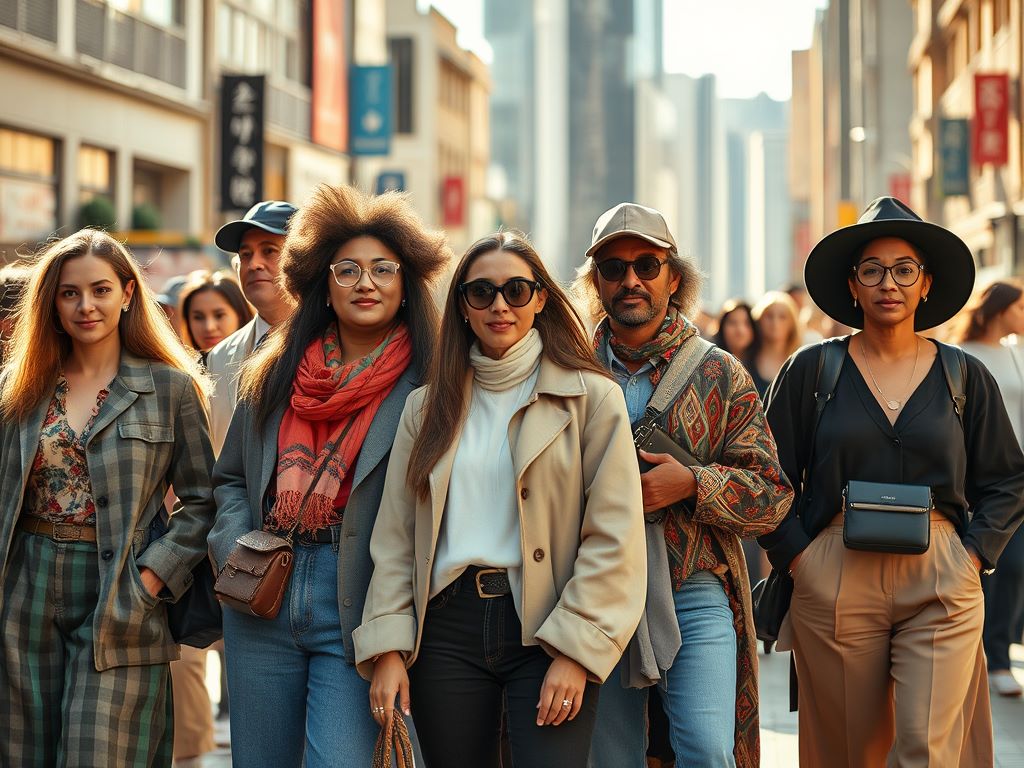
The intricate relationship between lifestyle and fashion has long been a subject of interest and study, particularly as it reflects the broader social narratives and cultural movements of various epochs. As society evolves and trends shift, the symbiotic connection between the two continues to shape and define the way individuals express themselves and live their daily lives, creating a continuously flowing dialogue that adapts to the changing values and aspirations of each generation. Fashion, as a reflection of personal identity and cultural influence, intertwines seamlessly with lifestyle choices, impacting everything from social status and economic conditions to emotional well-being and mental health.
This exploration delves into the dynamic interplay between lifestyle and fashion, offering insights into how they influence one another and contribute to the ever-changing landscape of self-expression and societal trends. It illuminates how choices in attire resonate deeply within personal narratives, while also being influenced by collective movements such as sustainability, inclusivity, and cultural heritage, ultimately serving as a canvas through which individual stories of identity, creativity, and resistance are painted in the fabric of contemporary life.
Reflection of Personal Identity
- Expression of Self: Fashion serves as a medium through which individuals express their personal identity, tastes, and values. One’s choice of clothing and accessories often mirrors their lifestyle choices, such as their interests, hobbies, and personal beliefs.
- Cultural Influence: Fashion is heavily influenced by cultural norms and traditions, which are in turn shaped by lifestyle factors. For instance, traditional attire in different cultures reflects the heritage and customs of the people, while contemporary fashion trends often draw inspiration from cultural elements.
Societal Trends and Influence
- Social Status and Lifestyle: Fashion can signify social status and lifestyle. Designer labels and luxury brands often indicate a higher socio-economic status, while casual, functional clothing may reflect a more laid-back, practical lifestyle.
- Trends and Influencers: Lifestyle trends, such as the rise of fitness culture or sustainable living, significantly impact fashion choices. For example, the popularity of athleisure can be linked to an increased focus on health and fitness, while the demand for eco-friendly clothing is driven by a growing awareness of environmental sustainability.
Practical Considerations
- Functionality and Convenience: Lifestyle needs often dictate fashion choices. Busy professionals may opt for practical, comfortable workwear that suits their daily routines, while outdoor enthusiasts might choose durable, weather-appropriate clothing for their activities.
- Seasonal and Climate Adaptations: Fashion adapts to seasonal changes and climate conditions, reflecting the lifestyle adjustments individuals make throughout the year. Winter coats, summer dresses, and rain gear are all examples of fashion responding to lifestyle needs.
Emotional and Psychological Impact
- Confidence and Mood: Fashion can have a significant impact on an individual’s confidence and mood. Wearing outfits that align with one’s lifestyle and personal style can boost self-esteem and contribute to a positive outlook.
- Well-Being and Comfort: The choice of clothing can affect physical comfort and overall well-being. Comfortable, well-fitting clothes that suit an individual’s lifestyle can enhance their quality of life and daily experience.
Influence of Lifestyle Changes
- Life Stages and Transitions: Major life events and transitions, such as entering the workforce, becoming a parent, or retiring, often bring changes in lifestyle that are reflected in fashion choices. Each stage of life may call for different styles and wardrobe essentials.
- Adapting to Trends: As societal trends evolve, individuals adapt their fashion choices to align with new lifestyle trends. This continuous evolution keeps fashion vibrant and ever-changing.
In essence, lifestyle and fashion are in a constant state of interaction, each influencing and shaping the other. By understanding this relationship, individuals can make informed fashion choices that not only enhance their personal style but also complement their lifestyle and well-being.
Conclusion
The intertwined relationship between lifestyle and fashion is a fascinating and complex dynamic that continues to shape and influence the way individuals present themselves and navigate the world. As lifestyle choices evolve, so too does fashion, reflecting the ever-changing values, trends, and cultural narratives that define our society. This relationship is not merely superficial; it delves into deeper realms of personal expression, cultural identity, and social consciousness. By understanding and embracing this connection, individuals can make informed fashion choices that enhance their personal style and complement their unique lifestyles, allowing them to convey messages about their beliefs, aspirations, and environments.
As we move forward in an era of rapid change and innovation, the synergy between lifestyle and fashion will undoubtedly continue to play a pivotal role in how we express our identities and adapt to the world around us, pushing the boundaries of creativity and encouraging self-discovery through diverse forms of self-representation.

 Ignite and Achieve