
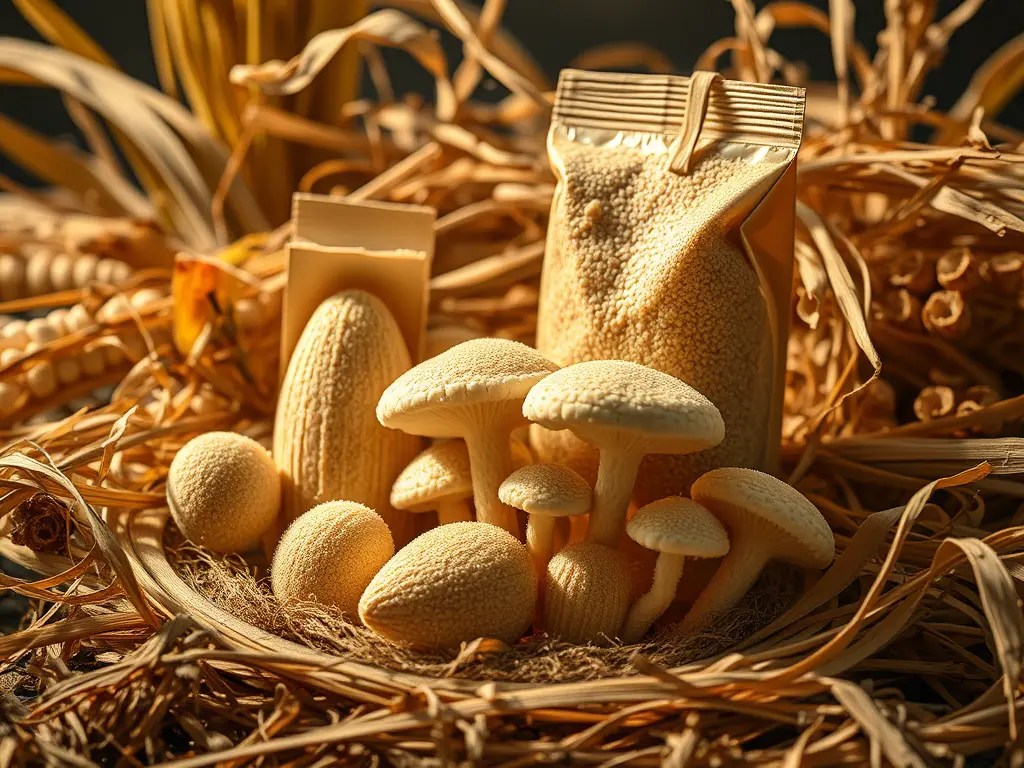
In the quest for a greener future, industries are embracing innovative solutions that minimize environmental harm while promoting sustainable practices. Among the most groundbreaking developments are mushroom-based packaging and bioengineered textiles, which are reshaping how we produce and consume materials. These advancements merge cutting-edge science with environmental consciousness, paving the way for a circular economy and fundamentally altering industries ranging from fashion to e-commerce.
As consumers become increasingly aware of their environmental impact, they are demanding products that not only serve their needs but also contribute positively to the planet. This shift in consumer behavior is driving companies to invest in research and development, leading to even more sustainable options across various sectors. By adopting biodegradable materials and reducing waste, businesses are not only enhancing their brand image but also fostering a healthier ecosystem for future generations. These initiatives represent a pivotal moment in the evolution of industry practices, emphasizing a collective responsibility towards environmental stewardship and sustainability.
The Rise of Mushroom-Based Packaging
Mushroom-based packaging is a prime example of harnessing nature’s power for sustainable development. The material is produced from mycelium—the underground root structure of fungi—which grows into dense networks capable of forming durable yet biodegradable shapes. These packaging solutions are created by cultivating mycelium on agricultural waste, such as corn husks or straw. Within days, the mycelium consumes the waste and forms sturdy structures that can be molded to fit specific requirements.
How It Works
The process begins with agricultural byproducts that act as a substrate for the mycelium. This substrate is placed in molds and exposed to optimal conditions, such as humidity and temperature, enabling the mycelium to grow. Once it has fully colonized the substrate, the material is dried or heat-treated to halt growth, resulting in a lightweight, durable packaging solution. What’s remarkable about this process is its ability to utilize waste as a raw material, effectively turning discarded agricultural residues into valuable products.
Applications Across Industries
Mushroom-based packaging is gaining traction in various sectors. E-commerce companies use it as an eco-friendly alternative to plastic or styrofoam for protecting goods during shipping. Food industries utilize mushroom packaging for biodegradable containers, plates, and trays. It’s even employed in specialized areas such as electronics packaging, where its shock-absorbing properties provide added value.
These applications not only reduce plastic waste but also appeal to environmentally conscious consumers who prioritize sustainable choices. Furthermore, the production process itself generates minimal carbon emissions, making it an attractive solution for companies striving to meet sustainability goals.
Bioengineered Textiles: A Game-Changer for Fashion and Beyond
Bioengineered textiles are transforming the way we think about fabrics. These materials are created through advanced biotechnology, often involving genetically modified organisms to produce sustainable, high-performance fibers. From lab-grown spider silk to fungal leather, bioengineered textiles are not only eco-friendly but also offer enhanced durability and versatility compared to traditional materials.
Lab-Grown Spider Silk
Spider silk has long been celebrated for its incredible strength and elasticity, but harvesting silk directly from spiders is impractical. Enter bioengineering: scientists have developed methods to produce spider silk by inserting spider DNA into bacteria, yeast, or other microorganisms. These engineered organisms then synthesize silk proteins, which can be spun into fibers.
This lab-grown spider silk is used in diverse applications, including performance apparel, medical sutures, and even aerospace components. Its lightweight yet durable properties make it a sought-after material for industries aiming to innovate while reducing reliance on traditional, resource-intensive fibers.
Fungal Leather and Plant-Based Alternatives
The leather industry has faced criticism for its environmental and ethical concerns. Bioengineered textiles offer a compelling alternative in the form of fungal leather, created from mycelium. Similar to mushroom-based packaging, mycelium can be grown and treated to produce leather-like materials that are soft, durable, and customizable. Companies like Bolt Threads and MycoWorks are leading the way in commercializing fungal leather for fashion and interior design.
Additionally, plant-based textiles derived from algae, pineapple fibers, and even kombucha cultures are gaining momentum. These alternatives reduce the environmental footprint associated with traditional leather and synthetic fabrics while offering unique textures and aesthetics.
Expanding Applications
Beyond fashion, bioengineered textiles are being utilized in automotive interiors, furniture design, and even healthcare, showcasing their versatile applications across various industries. For instance, lab-grown silk, renowned for its strength and suppleness, is increasingly employed in creating sutures and implants due to its excellent biocompatibility, minimizing the risk of rejection by the body. Moreover, innovative designs leveraging fungal leather find application in luxurious car seats and sustainable furniture, catering to consumers who value eco-friendly lifestyles while prioritizing comfort and aesthetic appeal. This shift towards bioengineered materials not only addresses the needs of modern consumers but also contributes to a more sustainable future by reducing reliance on traditional manufacturing processes and resource-intensive materials.
A Shared Vision for Sustainability
Mushroom-based packaging and bioengineered textiles embody the principles of a circular economy, where waste is minimized, and resources are continuously reused. These innovative materials are not only biodegradable but also contribute to healthier ecosystems by enriching the soil rather than depleting it. As industries grapple with the environmental challenges posed by traditional plastics, both innovations align seamlessly with the growing consumer demand for sustainable products, which reflect a heightened awareness of environmental issues. Furthermore, they respond to regulatory pressures to reduce plastic waste and carbon emissions, fostering a responsible approach to consumption that emphasizes longevity and reusability. In addition to their ecological benefits, these materials also open up new avenues for creativity and design in product development, showcasing the potential for sustainability to drive economic growth and innovation in the market.
Environmental Benefits
One of the most significant advantages of these materials is their biodegradability. Unlike plastic or synthetic fibers that persist in landfills and oceans for centuries, mushroom-based packaging and bioengineered textiles naturally break down, leaving minimal environmental impact. This natural decomposition not only helps in reducing pollution but also enriches the soil, promoting biodiversity and supporting ecosystem health. Moreover, their production processes are less resource-intensive compared to traditional methods, requiring lower energy inputs and generating fewer greenhouse gases. By utilizing agricultural by-products and renewable resources, these innovative materials not only minimize waste but also inspire a shift towards more sustainable manufacturing practices that prioritize the health of our planet.
Economic Opportunities
As industries shift toward sustainability, the demand for innovative materials is creating new economic opportunities and transforming markets in unprecedented ways. Startups and established companies alike are investing heavily in research and development to scale production and improve the properties of these materials, ensuring they meet the diverse needs of consumers and businesses alike. This not only drives job creation but also fosters collaboration across sectors, from biotechnology to fashion to agriculture, as these industries work together to create comprehensive solutions that address environmental challenges. Furthermore, the integration of cutting-edge technology, such as artificial intelligence and machine learning, into the development process is accelerating innovation, leading to the emergence of novel products that are eco-friendly and highly efficient. In this dynamic landscape, the potential for growth and impact is immense, paving the way for a more sustainable and prosperous future.
Consumer Appeal
Modern consumers are increasingly prioritizing ethical and sustainable choices, making it crucial for brands to adapt to these changing preferences. Mushroom-based packaging appeals to environmentally conscious shoppers by offering a viable and biodegradable alternative to harmful plastics, thus significantly reducing environmental impact. In addition, bioengineered textiles cater to the growing demand for cruelty-free and innovative fashion, providing consumers with products that not only look good but also align with their ethical beliefs. These advanced materials enable brands to differentiate themselves in competitive markets by aligning with values that resonate deeply with their audiences, fostering a sense of loyalty and trust. As the awareness around environmental and ethical issues continues to grow, companies that embrace such sustainable practices will likely see increased consumer engagement and brand advocacy, further solidifying their position in the marketplace.
Challenges and Future Outlook
While the potential of mushroom-based packaging and bioengineered textiles is immense, challenges remain that need to be addressed to unlock their full capabilities. Scaling production to meet global demand while maintaining affordability is a significant hurdle; as the industry grows, ensuring that these innovative materials are accessible to a broader audience becomes crucial. Additionally, regulatory frameworks for these new materials are still evolving, which may impact their adoption in certain markets, creating uncertainty for manufacturers and consumers alike. These challenges highlight the need for ongoing research and collaboration between scientists, manufacturers, and policy-makers to create robust solutions that will facilitate the widespread use of sustainable materials in various applications, thereby promoting environmental responsibility and fighting climate change effectively.
Despite these challenges, the future looks promising. Advancements in biotechnology and materials science are driving innovation at a rapid pace, leading to transformative possibilities that were once considered mere concepts. Investments in sustainable technologies are expected to grow, attracting attention from both private sectors and government initiatives committed to environmental preservation. As industries and consumers alike embrace these innovations, we are witnessing a significant shift towards eco-friendly solutions.
Mushroom-based packaging, for instance, is not only biodegradable but also offers a unique alternative to traditional plastics, reducing waste and carbon footprints. Additionally, bioengineered textiles have the potential to revolutionize the fashion industry by providing sustainable materials that enhance durability and reduce the reliance on harmful chemicals. As these groundbreaking technologies continue to evolve, they are poised to become integral to a greener, more sustainable world, enabling a harmonious coexistence between economic growth and environmental stewardship.
 Ignite and Achieve