
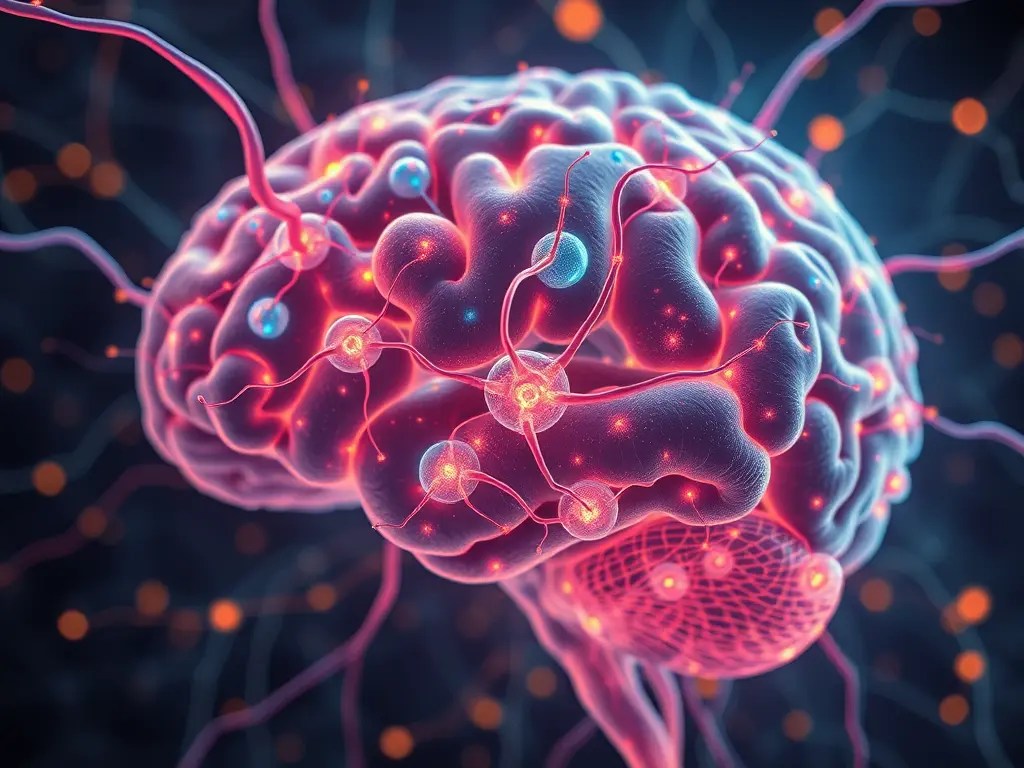
Memory is a vast and intricate landscape, shaped by biology, psychology, experience, and even culture. Why do we remember some things vividly while others slip away into the recesses of our minds? It is a question that has intrigued scientists and philosophers alike for centuries. Our memories are influenced not just by the events themselves, but also by the emotions we attach to them, the contexts in which they occur, and the narratives we construct around our experiences. Some memories become etched in our consciousness, while others fade into obscurity, often due to a lack of significance or emotional resonance. Let’s dive deep into every facet of this fascinating phenomenon, exploring how different types of memory work, the role of neural pathways, and the ways in which culture and social interactions shape our recollections over time.
1. The Science of Memory
Memory operates through a complex interplay of neurons, chemicals, and structures in the brain. The process can be broken down into three main stages:
- Encoding: Information is taken in through senses and processed in the brain. Strong emotions, repetition, and significance improve encoding.
- Storage: Memories are stored across different brain regions. Short-term memories reside in the prefrontal cortex, while long-term memories are linked to the hippocampus and then dispersed throughout the cortex.
- Retrieval: When we recall a memory, our brain reconstructs the information. The more we recall something, the stronger the neural pathways become.
Different types of memory play a role in what is remembered and forgotten:
- Sensory Memory: Immediate but fleeting impressions from senses, lasting only milliseconds.
- Short-Term Memory (Working Memory): Holds small amounts of information temporarily for active use, like remembering a phone number just long enough to dial it.
- Long-Term Memory: Memories stored indefinitely, subdivided into:
- Explicit Memory (Conscious Recollection): Facts, events, experiences.
- Implicit Memory (Unconscious Retention): Skills, habits, learned behaviors like riding a bike.
2. Why Do Some Memories Last?
Certain memories are deeply ingrained due to various factors:
- Emotional Intensity: Highly emotional moments—whether joyous or traumatic—tend to be remembered more vividly because of the amygdala’s role in strengthening those memories.
- Repetition: The more frequently we recall or encounter something, the stronger the memory becomes.
- Association: Linking new information to existing knowledge creates deeper connections. Mnemonics, storytelling, and visualization enhance memory.
- Novelty: Unusual experiences stand out against the mundane, making them more memorable.
- Purpose and Meaning: Information aligned with personal interests, goals, or survival instincts is retained better.
3. Why Do We Forget?
Forgetfulness serves an important function—it helps prevent cognitive overload and keeps the brain efficient. Common reasons for forgetting include:
- Decay: Memories that aren’t revisited fade over time due to weakened neural connections.
- Interference: New memories can overwrite older ones, or similar memories may blend together.
- Stress and Trauma: High stress and anxiety can impair memory formation and retrieval.
- Lack of Attention: If something isn’t encoded properly, it never becomes a lasting memory.
- Repression: The brain may block distressing memories to protect mental well-being (a theory related to psychological defense mechanisms).
4. Memory Tricks and Enhancers
Want to remember better? Here are ways to strengthen memory:
- Spaced Repetition: Reviewing information over increasing intervals improves retention.
- Chunking: Breaking information into smaller, more manageable pieces aids memory.
- Mind Mapping: Visually organizing ideas helps strengthen connections.
- Sleep: Deep sleep plays a crucial role in memory consolidation.
- Physical Exercise: Improves brain health, oxygen flow, and cognitive function.
- Meditation: Helps reduce stress and improve focus, leading to better recall.
5. The Role of Culture and Personal Identity
Culture influences memory—what we emphasize, recall, and how we perceive past events.
- Collective vs. Individual Memory: Some societies focus on shared memories and traditions, while others emphasize personal stories.
- Memory Narratives: How we frame past events affects how they are remembered. Retelling stories can alter details over time.
- Social Memory: Events significant to communities—such as historical milestones—are preserved through storytelling, rituals, and records.
6. Memory and Aging
As we age, memory may decline due to changes in brain structure.
- Neuroplasticity Decline: The brain’s ability to form new connections slows.
- Hippocampus Shrinkage: This impacts memory formation and retrieval.
- Compensatory Strategies: Older adults often rely on written notes, reminders, and structured routines to aid memory retention.
7. The Mystery of False Memories
Memory is not a perfect recording—it can be altered, distorted, and even fabricated.
- Misattribution: Mixing up details from different events.
- Suggestibility: Outside influences can shape what we think we remember.
- The Mandela Effect: Collective misremembering of certain facts across groups of people.
Memory is both a gift and a mystery, shaping our identity, guiding our decisions, and connecting us to the past. It serves as a vast repository of experiences, emotions, and knowledge, allowing us to learn from our mistakes and celebrate our successes. As we navigate through life, our memories influence not only how we see ourselves but also how we relate to others, building a tapestry of relationships enriched by shared history. Moreover, the intricate ways in which memories can fade or alter remind us of the fragility of our perception, making us ponder the nature of reality itself and the stories we choose to tell about our lives. Ultimately, memory is what weaves together the moments that define us, providing comfort in times of change and uncertainty.
 Ignite and Achieve