
The Ultimate Guide to Eye-Healthy Nutrition: Foods, Meals, and Latest Research for Optimal Vision
Your eyes are intricate organs that require a variety of nutrients to function optimally. A well-balanced diet rich in essential vitamins, minerals, and antioxidants can help prevent age-related vision decline, reduce oxidative stress, and support retinal health. These nutrients work synergistically to nourish the delicate structures of the eye, ensuring that they remain healthy and functioning at their best. Recent studies have uncovered new insights into how diet impacts eye health, reinforcing the importance of specific foods in preventing conditions like age-related macular degeneration (AMD), cataracts, glaucoma, and digital eye strain. Additionally, incorporating foods such as leafy greens, fatty fish, and nuts into your daily meals can further enhance your eye health, offering protective benefits through their rich content of omega-3 fatty acids and carotenoids. By being mindful of your dietary choices, you can take proactive steps toward maintaining your vision and overall well-being as you age.
1. Fatty Fish: Omega-3s for Retinal Integrity
Fatty fish such as salmon, tuna, and sardines contain omega-3 fatty acids, particularly DHA and EPA, which are crucial for maintaining retinal function. Omega-3s:
- Reduce inflammation and oxidative stress in the eyes, thereby potentially improving overall eye health and enhancing visual clarity over time.
- Lower the risk of AMD and slow its progression by adopting a healthy lifestyle, including a balanced diet rich in leafy greens and omega-3 fatty acids, quitting smoking, maintaining a healthy weight, and protecting your eyes from harmful UV rays through the use of sunglasses.
- Improve tear production, preventing dry eye syndrome by promoting overall eye health through hydration, proper nutrition, and regular breaks from screens.
- Enhance contrast sensitivity, aiding vision in dim lighting, which is crucial for activities such as driving at night or navigating poorly lit environments.
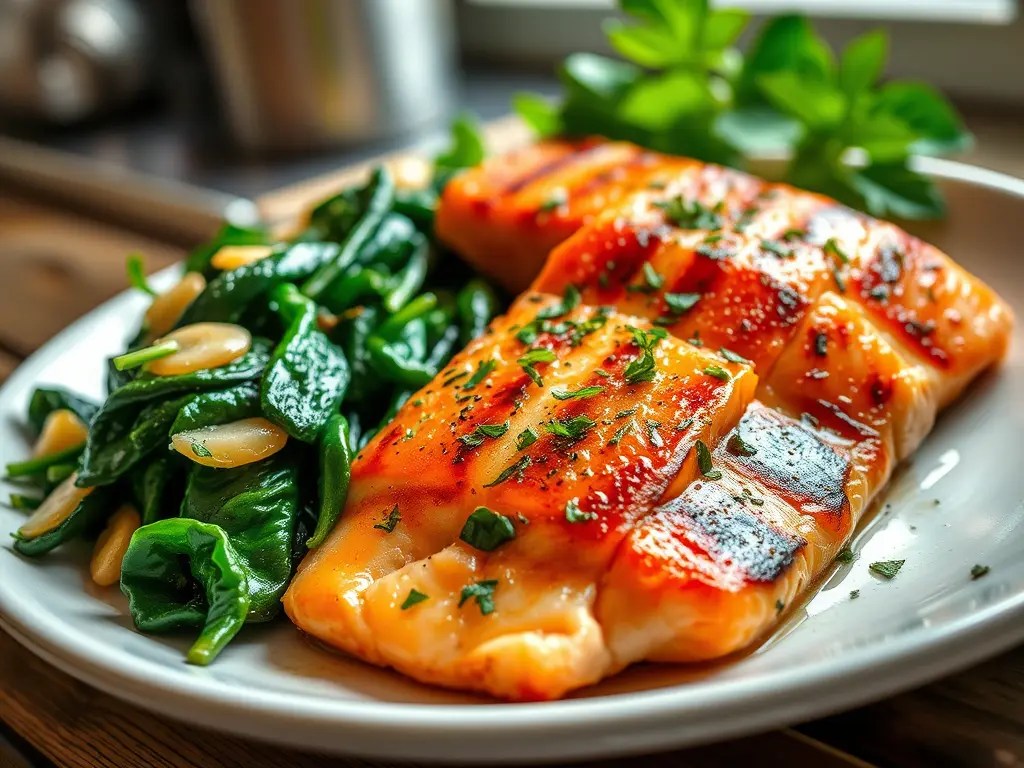
Meal Idea: Grilled Salmon with Lemon and Spinach
- Ingredients: Salmon fillet, fresh spinach, lemon juice, olive oil, garlic, salt, black pepper, Dijon mustard, cherry tomatoes, fresh herbs (such as dill or parsley) for garnish.
- Preparation: Start by grilling the salmon fillets until they are perfectly tender, brushing them lightly with olive oil and fresh lemon juice to enhance the flavor. In a separate pan, sauté a generous quantity of fresh spinach, adding minced garlic for a delicious aroma, and serve this vibrant, sautéed spinach alongside the fish for a delightful and healthy meal.
2. Leafy Greens: Lutein and Zeaxanthin for Blue Light Protection
Spinach, kale, and Swiss chard are rich in lutein and zeaxanthin, carotenoids that protect the macula—the part of the retina responsible for sharp central vision. These nutrients:
- Filter harmful blue light, which helps in significantly reducing digital eye strain and promoting healthier screen time habits.
- Lower the risk of cataracts and AMD by maintaining a healthy diet rich in antioxidants, getting regular eye check-ups, and protecting your eyes from excessive UV exposure.
- Improve visual processing speed, enhancing reaction times by allowing individuals to react more swiftly and efficiently to visual stimuli in their environment, ultimately contributing to better performance in activities that require quick decision-making and reflexes.
Meal Idea: Kale and Avocado Salad
- Ingredients: Kale, avocado, cherry tomatoes, olive oil, lemon juice, sunflower seeds, fresh cilantro, sea salt, black pepper, garlic powder, and nutritional yeast for added flavor.
- Preparation: Toss all ingredients together thoroughly for a nutrient-packed salad that is both delicious and visually appealing, ensuring an even distribution of flavors and textures while creating a delightful dish.
3. Eggs: A Natural Source of Eye-Boosting Nutrients
Egg yolks contain lutein, zeaxanthin, vitamin A, and zinc, all of which contribute to eye health. Research highlights that eggs:
- Protect against blue light damage, significantly reducing strain from screens by filtering out harmful blue light emitted from electronic devices, thereby promoting better eye health and enhancing overall comfort during prolonged usage.
- Improve contrast sensitivity, making it easier to see in low-light conditions, which can significantly enhance visual clarity and overall safety during nighttime activities or in dimly lit environments.
- Support retinal function, preventing age-related vision decline, by contributing to the maintenance of healthy vision through essential nutrients and antioxidant properties that protect against oxidative stress and enhance overall eye health.
Meal Idea: Scrambled Eggs with Spinach and Cheese
- Ingredients: Eggs, spinach, feta cheese, olive oil, salt, black pepper, garlic powder, onion, cherry tomatoes.
- Preparation: Scramble eggs with sautéed spinach and crumbled feta cheese, ensuring that the spinach is tender and the feta is evenly distributed throughout the mixture for a flavorful and nutritious breakfast.
4. Carrots and Sweet Potatoes: Beta-Carotene for Night Vision
Carrots and sweet potatoes are rich in beta-carotene, which the body converts into vitamin A, essential for maintaining good vision. Benefits include:
- Enhancing night vision, crucial for low-light activities, ensuring improved visibility and clarity during nighttime excursions, which can significantly aid in navigation and safety.
- Supporting retinal function, reducing the risk of dry eye, which can lead to discomfort and long-term vision problems if not addressed properly.
- Preventing oxidative damage, ensuring cellular integrity and longevity by protecting against environmental stressors such as pollution and UV radiation.
Meal Idea: Roasted Sweet Potato and Carrot Soup
- Ingredients: Sweet potatoes, carrots, vegetable broth, ginger, garlic, salt, black pepper, olive oil, fresh herbs, onion.
- Preparation: Begin by thoroughly washing and peeling the sweet potatoes and carrots, then cut them into uniform chunks. Roast these prepared vegetables in the oven until they achieve a tender and slightly caramelized texture. Once roasted, transfer them to a blender, adding your choice of broth to achieve a smooth consistency. Finally, season the mixture generously with ginger and garlic to elevate the flavors, blending until perfectly creamy.
5. Citrus Fruits: Vitamin C for Eye Protection
Oranges, grapefruits, lemons, and kiwifruit provide a healthy dose of vitamin C, a powerful antioxidant that helps maintain the health of blood vessels in the eyes. Vitamin C:
- Protects against oxidative stress and free radical damage, which are known to contribute to aging and various chronic diseases, thereby promoting overall health and longevity.
- Supports collagen production, which is essential for maintaining the structure and integrity of the eye, ensuring proper vision and overall eye health.
- Reduces the risk of cataracts and AMD by promoting better eye health, which is essential for maintaining clear vision and preventing age-related deterioration.
Meal Idea: Citrus Smoothie
- Ingredients: Oranges, grapefruit, kiwi, Greek yogurt, honey, fresh mint leaves for garnish, and a sprinkle of chia seeds for added texture.
- Preparation: Carefully blend all ingredients together to create a refreshing, vitamin-packed smoothie that is sure to energize and nourish your body.
6. Nuts and Seeds: Vitamin E for Cellular Health
Almonds, walnuts, sunflower seeds, and flaxseeds are excellent sources of vitamin E, which helps protect eye cells from oxidative damage. Benefits include:
- Reducing the risk of AMD and cataracts by incorporating a balanced diet rich in antioxidants, engaging in regular eye check-ups, and protecting the eyes from harmful UV rays.
- Supporting healthy vision and retinal function through regular eye check-ups, balanced nutrition, and protective eyewear.
- Enhancing visual clarity, especially during prolonged screen time, to reduce eye strain and improve focus on tasks at hand for a more productive and comfortable viewing experience.
Meal Idea: Almond and Flaxseed Oatmeal
- Ingredients: Oats, almond butter, flaxseeds, honey, and a pinch of salt to enhance the flavor, along with a dash of cinnamon for added warmth and richness.
- Preparation: Begin by cooking oats in water or milk until they reach a creamy consistency, then mix in almond butter, add flaxseeds for a nutritional boost, and swirl in honey for natural sweetness, ensuring that all ingredients are well combined for a delightful texture.
7. Berries: Antioxidants for Eye Longevity
Blueberries, strawberries, and blackberries contain anthocyanins, antioxidants that support eye health by improving blood circulation and reducing inflammation. These compounds:
- Protect against retinal damage, significantly reducing oxidative stress and promoting overall eye health by inhibiting the progression of age-related degeneration and enhancing visual function.
- Support collagen production, which plays a crucial role in maintaining eye elasticity, ensuring that the delicate structures around the eyes remain firm and resilient over time.
- Enhance visual sharpness, reducing eye fatigue by utilizing high-resolution displays, adjusting contrast settings appropriately, and ensuring proper lighting conditions in work environments.
Meal Idea: Berry Yogurt Parfait
- Ingredients: Greek yogurt, mixed berries (such as strawberries, blueberries, and raspberries), crunchy granola, a drizzle of honey for sweetness, and a sprinkle of chia seeds for added nutrition.
- Preparation: To create a delicious parfait, start by layering your favorite yogurt at the bottom, then add a colorful assortment of fresh berries such as strawberries, blueberries, and raspberries, followed by a generous sprinkle of crunchy granola for added texture and flavor. Enjoy the delightful combination of flavors and textures in each bite!
8. Legumes: Zinc for Retinal Function
Beans, lentils, and chickpeas are rich in zinc, a mineral that plays a crucial role in transporting vitamin A from the liver to the retina. Zinc:
- Supports night vision and contrast sensitivity, enhancing visibility in low-light conditions, which is crucial for various applications ranging from personal safety to nocturnal wildlife observation.
- Helps delay age-related vision loss, strengthening retinal health over time by promoting cellular regeneration and protecting against oxidative stress.
- Reduces oxidative stress, preventing cellular damage, which can lead to various chronic diseases and premature aging, thereby promoting overall health and longevity.
Meal Idea: Lentil and Chickpea Stew
- Ingredients: Lentils, chickpeas, fresh tomatoes, minced garlic, ground cumin, and a pinch of salt for flavor enhancement.
- Preparation: Begin by thoroughly rinsing the lentils and chickpeas under cold water. Then, simmer the rinsed lentils and chickpeas in a pot with diced tomatoes, minced garlic, and ground cumin, allowing the flavors to meld together beautifully over low heat for about 30 minutes, or until the lentils are tender and creamy.
9. Whole Grains: Nutrient-Dense Support for Eye Health
Whole grains such as quinoa, brown rice, and oats contain zinc and vitamin E, both of which contribute to long-term eye health. These nutrients:
- Reduce the risk of AMD, supporting macular function by incorporating a diet rich in antioxidants, regular eye examinations, and maintaining a healthy lifestyle that includes physical activity and protection from UV light exposure.
- Support healthy blood circulation to the eyes, which can improve overall eye function and reduce the risk of vision problems over time.
- Enhance visual performance, improving reaction times significantly, leading to better engagement and concentration during critical tasks.
Meal Idea: Quinoa and Vegetable Stir-Fry
- Ingredients: Quinoa, bell peppers, carrots, broccoli, soy sauce, garlic, ginger, sesame oil, green onions, and a sprinkle of sesame seeds for garnish.
- Preparation: Begin by washing and chopping a variety of fresh vegetables; then stir-fry them in a hot pan until they are tender yet still vibrant. Finally, mix the sautéed vegetables thoroughly with the pre-cooked quinoa, ensuring an even distribution of flavors and textures throughout the dish.
10. Dairy Products: Hydration and Eye Protection
Milk, yogurt, and cheese provide vitamin A and zinc, essential for maintaining eye hydration and preventing dryness. These nutrients:
- Improve skin elasticity around the eyes by incorporating regular moisturizing routines, using specialized eye creams, and maintaining a healthy diet rich in antioxidants.
- Reduce the appearance of fine lines, supporting youthful vision and enhancing overall skin texture, contributing to a more radiant and rejuvenated look.
- Support tear production, thereby effectively preventing dry eye syndrome, which can lead to discomfort and various vision problems if not adequately addressed.
Meal Idea: Greek Yogurt with Honey and Nuts
- Ingredients: Greek yogurt, almonds, walnuts, honey, chia seeds, fresh blueberries, a squeeze of lemon juice, and a dash of cinnamon for added flavor and nutrition.
- Preparation: Mix yogurt with nuts of your choice, such as almonds or walnuts, and drizzle generously with honey for added sweetness.
New Findings: The Role of Diet in Preventing Eye Diseases
Recent studies have uncovered additional insights into how diet impacts eye health:
- The Mediterranean diet, renowned for its emphasis on fish, olive oil, and a variety of leafy greens, has been linked to a 25% lower risk of AMD progression, contributing not only to eye health but also to overall wellness and vitality in individuals who adhere to its principles.
- High-fat, processed foods can trigger retinal lipid imbalances, increasing the risk of vision loss. These foods often contain unhealthy trans fats and sugars, which can exacerbate inflammation in the body and lead to further complications in eye health. Maintaining a balanced diet rich in whole foods can help mitigate these risks and promote overall well-being.
- Carotenoids like lutein and zeaxanthin may slow cataract development, thus improving long-term eye health significantly over time, contributing to overall visual well-being and potentially reducing the risk of other eye-related issues as one ages.
Conclusion: Prioritizing Nutrition for Lifelong Vision Health
By making informed dietary choices, you can safeguard your vision and enjoy clearer, healthier eyesight for years to come. Consuming a balanced diet rich in vitamins and minerals, particularly those known to benefit eye health, such as vitamin A, C, and E, as well as omega-3 fatty acids, can play a crucial role in maintaining your visual acuity. Additionally, incorporating a variety of colorful fruits and vegetables, like carrots, spinach, and berries, not only enhances overall well-being but also provides essential antioxidants that combat oxidative stress on the eyes. Moreover, staying hydrated and limiting the intake of processed foods can further contribute to healthier vision, allowing you to truly appreciate the beauty of the world around you.


 Ignite and Achieve