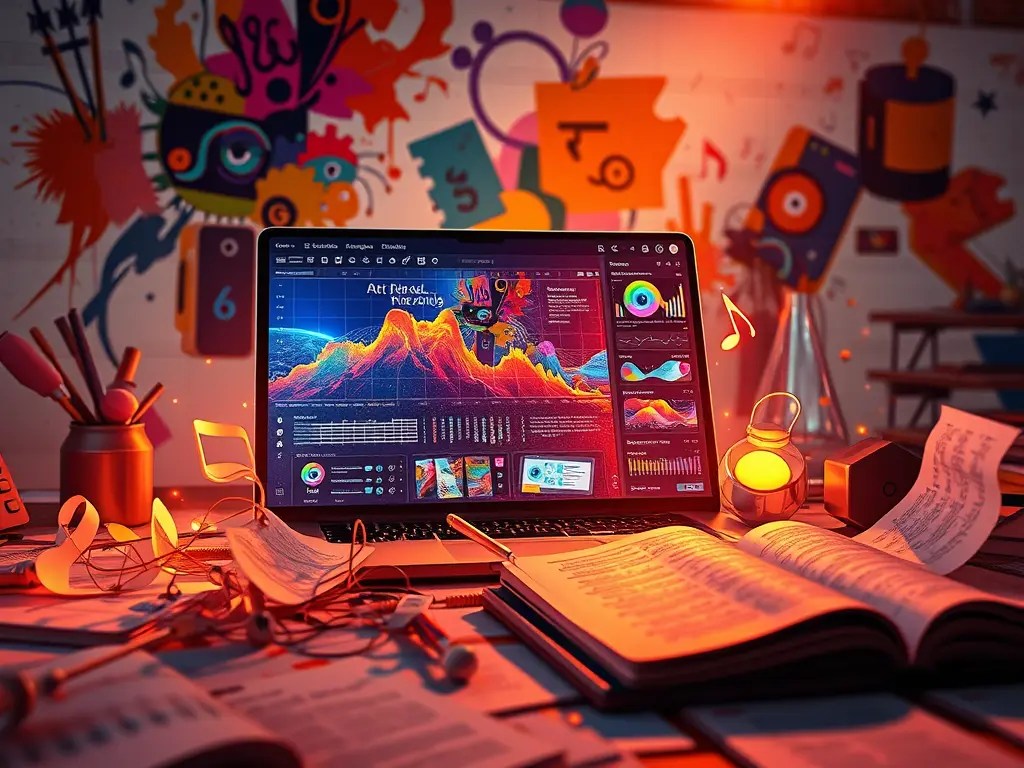
In today’s fast-paced digital world, AI-driven creativity is transforming how we generate ideas, design products, and express ourselves in ways once thought impossible. From AI-powered art to automated storytelling, artificial intelligence is no longer just a tool—it’s a collaborator that can enhance human imagination and push the boundaries of traditional creative disciplines.
Whether you’re a marketer, artist, or entrepreneur, AI can help optimize workflows, enhance originality, and unlock new creative possibilities, allowing creative minds to focus on higher-level thinking and conceptual innovation. As new AI technologies emerge, they provide us with an ever-expanding toolkit to experiment and iterate, fostering an environment where creativity can flourish.
However, it is essential to remember that while AI can generate patterns and assist in brainstorming, the human touch remains irreplaceable—intuition, emotion, and storytelling are uniquely ours, and it is our ability to infuse our experiences and perspectives that make creative works resonate deeply with audiences. Embracing AI as a partner in the creative process can lead to extraordinary outcomes, but it is our humanity that will always set our creations apart.
AI in Personal Creativity
- Art & Design: AI-powered tools like generative art platforms allow users to create stunning visuals with minimal effort. Artists use AI to experiment with new styles, color palettes, and compositions.
- Music Composition: AI can generate melodies, harmonies, and even lyrics, assisting musicians in brainstorming new ideas. However, the emotional depth and storytelling in music remain uniquely human.
- Writing & Storytelling: AI-driven writing assistants help authors refine their narratives, suggest plot twists, and even generate poetry. Yet, the ability to craft deeply personal and emotionally resonant stories is still a human trait.
AI in Professional Creativity
- Marketing & Advertising: AI analyzes audience behavior and predicts marketing performance, helping brands craft compelling campaigns. AI-generated ads are becoming more common, but human creativity ensures authenticity.
- Product Design & Innovation: AI assists in brainstorming and prototyping new products, optimizing designs based on user feedback and market trends.
- Fashion & Styling: AI suggests outfit combinations, predicts fashion trends, and even designs clothing based on historical data and consumer preferences.
AI in Everyday Life
- Smart Home Creativity: AI-powered smart assistants curate personalized playlists, suggest recipes based on available ingredients, and even adjust lighting to create a specific ambiance.
- Social Media & Content Creation: AI helps users edit photos, generate captions, and even create engaging videos. However, human creativity ensures originality and emotional connection.
- Education & Learning: AI-powered tutoring systems personalize learning experiences, helping students grasp complex concepts in innovative ways.
The Future of AI & Creativity
The big question is: how do we ensure AI empowers rather than replaces human creativity? Some experts argue that AI should serve as a collaborator, not a substitute, fostering an environment where human ingenuity can flourish alongside technological advancement. AI can unlock greater creativity by blending data-based insights with new ideas, offering tools that enhance our ability to brainstorm and innovate. This powerful synergy can lead to unprecedented levels of artistic expression, product development, and problem-solving capabilities that were previously unimaginable. However, ethical concerns remain—how do we ensure AI-generated content respects originality and human expression? It’s crucial to create frameworks that uphold intellectual property rights and encourage transparency in AI’s role in the creative process, ensuring that artists and creators are credited for their original works while benefiting from the enhancements that AI provides.
Conclusion
As AI continues to evolve, the challenge is not whether it will replace human creativity, but how we can harness its potential to amplify our own. By embracing AI as a creative partner, we can push the boundaries of innovation while preserving the authenticity of human expression. This collaboration opens up a plethora of possibilities, enabling artists, writers, and creators to explore new realms of inspiration and creativity that were previously unimaginable. The future of creativity is not about AI versus humans—it’s about AI and humans working together to create something truly extraordinary. As we navigate this uncharted territory, we must remain mindful of the ethical implications and ensure that technology enhances rather than diminishes the human experience, allowing us to embrace the synergy of our creative capabilities alongside machines.
 Ignite and Achieve