
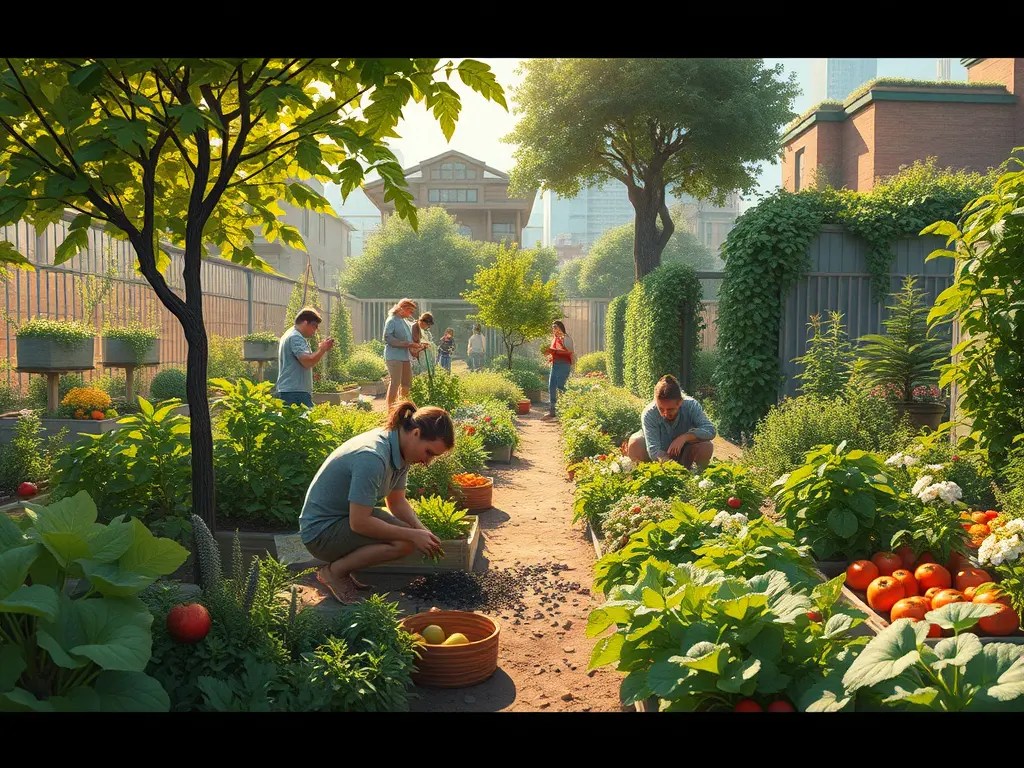
In an era of global uncertainty and ecological strain, our daily food chain stands at a critical crossroads. More than just what we eat, it’s a reflection of how we connect to the Earth, to each other, and to future generations. Reviving this chain means nurturing both our plates and the planet—through innovation, regeneration, and community action. It’s time to reimagine food not as a commodity, but as a culture, a cause, and a catalyst for sustainable change.
Let’s expand the vision with a wide-angle lens—here are 15 interconnected and creative strategies to restore and revolutionize our daily food chain:
🌎 Ecological Solutions
- Regenerative Agriculture – Farming that restores soil, increases biodiversity, and draws down carbon. Think cover crops, no-till, and crop rotation. This holistic approach emphasizes practices that enhance ecological resilience and improve the health of the farm ecosystem, thus ensuring sustainability. Techniques such as agroforestry, controlled grazing, and organic amendments further contribute to nurturing the land and promoting a balanced relationship with nature.
- Agroforestry & Permaculture – Integrating trees and perennial crops into farms to mimic natural ecosystems and boost resilience, while simultaneously enhancing biodiversity, improving soil health, and increasing carbon sequestration, ultimately leading to sustainable agricultural practices that can support both the environment and local economies.
- Watershed Protection – Healthy rivers and wetlands ensure long-term irrigation and clean food production; effective conservation efforts in these vital areas protect everything downstream and promote biodiversity, support local ecosystems, and contribute to the overall health of our planet while providing communities with sustainable resources and recreational opportunities.
🏙️ Urban & Community Innovation
- Rooftop & Vertical Farming – Making skyscrapers edible and resilient by growing greens in hydroponic towers or aquaponic systems, utilizing innovative agricultural practices to maximize space and resources, while also reducing urban heat effects and enhancing biodiversity in densely populated areas.
- Edible Public Spaces – Parks, sidewalks, and schoolyards with fruit trees and herb gardens invite food access into daily life, fostering community engagement and promoting healthy eating habits while also enhancing the beauty and functionality of urban environments.
- Community Compost Hubs – Turn neighborhoods into circular ecosystems by collecting organic scraps from local households and businesses and returning nutrient-rich compost to growers, thereby enhancing soil health, supporting sustainable agriculture, and fostering community engagement in environmental stewardship initiatives.
💡 Tech-Powered Tools
- Food-Transparency Platforms – Innovations such as blockchain technology or smart labels that trace ingredients from farm to fork, ensuring ethics and safety throughout the supply chain, providing consumers with detailed information about sourcing practices, production methods, and potential allergens to foster informed dietary choices.
- AI-Optimized Planting & Harvesting – Advanced smart tools utilize complex algorithms to predict yields accurately, significantly reduce waste, and help farmers adapt to climate shifts efficiently, ensuring sustainable agricultural practices and enhanced productivity throughout the growing season.
- Precision Agriculture – Drones, sensors, and data are utilized to apply only what’s needed, effectively reducing fertilizers while simultaneously improving productivity and enhancing crop yields through targeted interventions that not only optimize resource use but also minimize environmental impact, ensuring sustainable farming practices for future generations while allowing farmers to make data-driven decisions that enhance their operational efficiency and economic viability.
💬 Social & Cultural Levers
- Food Literacy Education – Teach nutrition, growing skills, and sustainability starting in primary schools. This foundational education is essential in cultivating healthy habits and environmental awareness among young learners. By integrating hands-on activities such as gardening and cooking, students can gain practical experience that reinforces classroom lessons and empowers them to make informed choices about their food and health. Encouraging such initiatives not only fosters a sense of responsibility towards food systems but also promotes community engagement and supports local agriculture.
- Celebrating Indigenous & Traditional Wisdom – Honoring time-tested farming, seed-saving, and culinary practices that sustain ecosystems while promoting biodiversity, resilience, and community well-being, ensuring the passing down of knowledge through generations and fostering a deeper connection between people and the land they inhabit.
- Creative Food Storytelling – Podcasts, zines, and art projects that reconnect people with the origins and makers of their meals, exploring the rich tapestry of cultural heritage, personal narratives, and culinary traditions that shape our understanding of food and its significance in our daily lives.
🛒 Consumer Empowerment
- Zero-Waste Shopping – Engaging in bulk buying, utilizing reusable containers effectively, and consciously avoiding over-packaging are essential practices to significantly reduce upstream environmental pressure, ultimately contributing to a more sustainable and eco-friendly lifestyle that benefits not only individuals but also the planet as a whole.
- Seasonal & Plant-Rich Eating – Choosing what grows nearby and relies less on resource-intensive animal agriculture, which not only supports local farmers and economies but also reduces carbon footprints and promotes biodiversity by encouraging a diverse range of plant species in our diets.
👫 Collective Resilience
- Food Sovereignty Movements – Supporting local control over food systems so communities can shape what and how they eat, not corporations. This movement advocates for the rights of communities to access healthy and culturally appropriate food produced through ecologically sound and sustainable methods. It emphasizes the importance of self-determination in food production and decision-making processes, ensuring that agricultural policies are designed to meet the needs of local populations rather than the interests of multinational agribusinesses.
Conclusion
Restoring the food chain isn’t only about fixing what’s broken—it’s about sowing new seeds of possibility that can flourish into a sustainable future. Whether through smart tech that optimizes farming practices, ancient wisdom that honors traditional methods, rooftop farms that utilize urban spaces creatively, or mindful meals that prioritize health and sustainability, we all hold a piece of the solution. Every small act—planting a seed, sharing a story, supporting a local grower, or advocating for policy changes—helps build a more just, resilient, and delicious future for our communities. By coming together and sharing knowledge, we can inspire others to join our movement towards a healthier planet. The table is set, brimming with potential. Let’s gather around and grow something better together, transforming our support for local agriculture into a vibrant tapestry of interconnected lives and shared experiences.
 Ignite and Achieve