
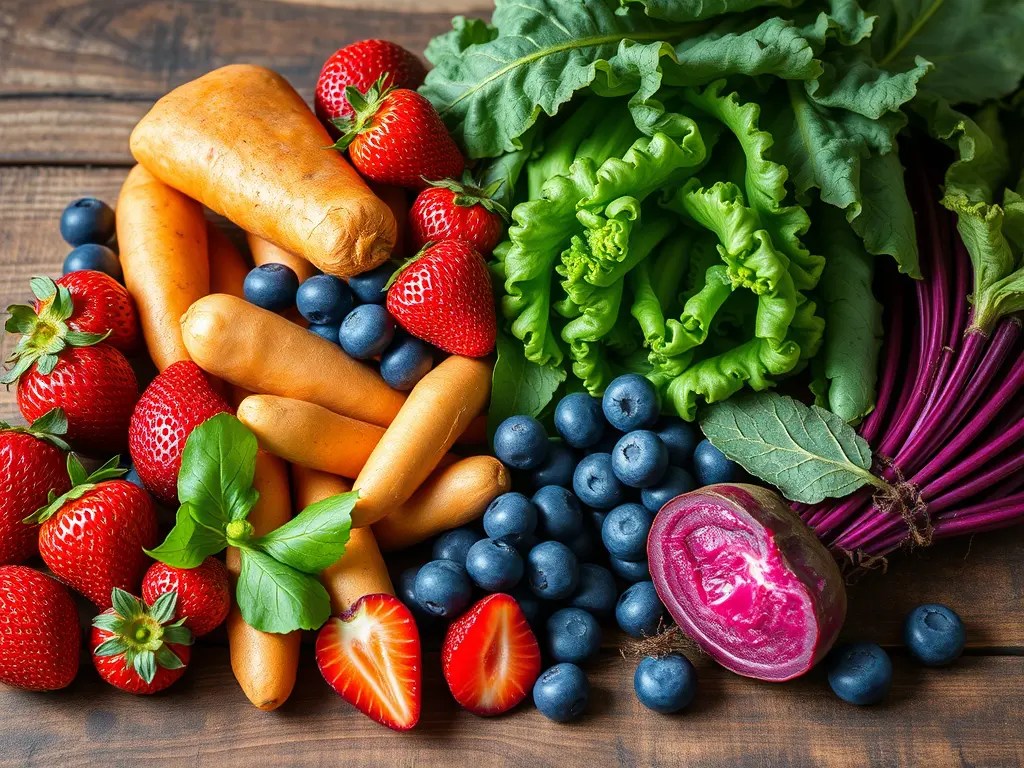
From the vivid blush of ripe strawberries to the deep green of leafy kale, the colors on our plates are more than aesthetic—they’re coded messages from nature. Each hue reflects not only a rich tapestry of nutrients but also centuries of cultural meaning and psychological influence. The bright oranges of sweet potatoes evoke warmth and comfort, while the purples of eggplants symbolize richness and luxury in culinary traditions around the globe. As we delve deeper into the interplay of colors in our meals, we also uncover the interconnectedness of flavor and nutrition, recognizing that the spectrum on our plates is an invitation to explore new tastes and experiences. As science unravels the language of color, we begin to see food not just as fuel, but as an experience that speaks to the body, the mind, and the soul, drawing us into a greater appreciation for the bounty of the earth and its power to nourish and heal.
🧪 The Science Behind Food Colors
Food colors originate from natural pigments, each with distinct chemical properties:
- Natural pigments:
- Carotenoids (orange/yellow): Found in carrots, pumpkins, sweet potatoes, as well as in other vibrant fruits and vegetables that contribute to eye health and provide antioxidant benefits.
- Anthocyanins (red/blue/purple): Present in various types of berries, including blueberries and blackberries, along with grapes, and the vibrant color of red cabbage, contributing not only to their appealing hues but also to their antioxidant properties and health benefits.
- Chlorophyll (green): Found in leafy greens like spinach and kale, chlorophyll is a crucial pigment that plays a vital role in photosynthesis, enabling plants to absorb energy from light.
- Betalains (red/pink): Found in beets and prickly pears, betalains are water-soluble pigments that contribute vibrant color to these foods, and they are known for their antioxidant properties, potentially offering various health benefits.
These compounds absorb specific wavelengths of light, giving foods their color and influencing how we perceive flavor and freshness.
🧠 Psychological & Sensory Impact
Color is a powerful sensory cue that shapes our expectations and experiences:
- Flavor perception: Red drinks are often perceived as sweeter—even when they’re not, which can significantly influence our taste preferences and buying decisions, often making them more appealing and enjoyable to individuals seeking a flavorful beverage experience.
- Appetite stimulation:
- Red & yellow: Stimulate hunger (used in fast food branding to attract attention and create a sense of urgency, making customers more likely to make impulsive food choices).
- Blue: Suppresses appetite (rare in nature, often linked to spoilage), and its presence in food can signify that the item has gone bad or is unappetizing to potential consumers. As a result, many naturally occurring foods do not feature blue hues, making it less desirable in culinary applications.
- Mood & emotion:
- Green: Associated with health and vitality, it symbolizes life, nature, and renewal, making it a color often linked to freshness and growth.
- Orange: Evokes warmth and comfort, offering a sense of energy and enthusiasm that can uplift spirits and create a welcoming atmosphere.
- Purple: Suggests luxury and creativity, often associated with nobility, spirituality, and a sense of mystery and depth.
🥦 Nutritional Meaning of Colors
Each color group in fruits and vegetables signals a unique set of phytonutrients and health benefits:
| Color | Key Nutrients | Health Benefits |
|---|---|---|
| 🔴 Red | Lycopene, anthocyanins | Heart health, cancer prevention |
| 🟠 Orange/Yellow | Beta-carotene, vitamin C | Eye health, immune support |
| 🟢 Green | Folate, chlorophyll, vitamin K | Detoxification, bone health |
| 🔵 Blue/Purple | Anthocyanins, resveratrol | Brain health, anti-aging |
| ⚪ White/Brown | Allicin, flavonoids | Anti-inflammatory, heart health8 |
Eating a variety of colors ensures a broad spectrum of antioxidants, vitamins, and minerals.
🌍 Cultural Symbolism of Food Colors
Colors carry deep cultural meanings that influence culinary traditions:
- Red: Symbolizes luck and celebration in China, representing joy and happiness, and is prominently featured in various cultural traditions and festivities, such as during Lunar New Year when people often enjoy red bean soup, which is believed to bring good fortune for the year ahead.
- Green: Represents nature and renewal in many cultures; associated with good fortune in Asia. Additionally, it symbolizes tranquility and balance, often evoking feelings of calmness and relaxation, making it a popular choice in design and decor.
- White: Linked to purity in Western cultures, often associated with innocence and cleanliness, while also symbolizing mourning in some Eastern traditions, where it represents the end of life and a time for reflection.
- Yellow/Orange: Often tied to happiness and hospitality (e.g., turmeric in Indian cuisine), these colors evoke feelings of warmth and cheerfulness, commonly associated with sunshine and joy, making them popular choices in decor and branding to create an inviting atmosphere.
These associations shape how foods are presented, consumed, and celebrated globally.
🌈 Eating the Rainbow
“Eating the rainbow” is a nutrition strategy that encourages consuming a diverse array of colorful fruits and vegetables daily:
- Why it matters:
- Each color group offers distinct phytonutrients that are beneficial for health and contribute to various physiological functions in the body, enhancing overall well-being and promoting longevity.
- Supports immune function, effectively reduces inflammation, and significantly lowers chronic disease risk, promoting overall health and wellness.
- How to do it:
- Include 2–3 different colors per meal to enhance visual appeal, making it more appetizing and enjoyable for those who will be dining.
- Use fresh, frozen, or dried produce to enhance the nutritional value and flavor of your meals, ensuring that you have a variety of options to choose from based on seasonal availability and personal preferences.
- Try smoothies, salads, stir-fries, and soups with mixed colors for a vibrant and nutritious meal that delights the senses and satisfies hunger, while also exploring different combinations of fruits and vegetables to enhance flavor and health benefits.
🥗 Example: A salad with spinach (green), carrots (orange), beets (red), blueberries (blue), and cauliflower (white) is a nutritional powerhouse, bursting with essential vitamins and minerals that support overall health. The crisp spinach leaves provide a refreshing base, rich in iron and antioxidants, while the vibrant carrots contribute a sweet crunch and a healthy dose of beta-carotene, which promotes good vision. Adding beets not only enhances the salad’s visual appeal with their deep red hue but also offers anti-inflammatory properties and support for cardiovascular health. The blueberries, which are rich in antioxidants, add a delightful burst of sweetness, complementing the earthy flavors of the cauliflower, a versatile vegetable packed with vitamin C and fiber. Together, these ingredients create a colorful and delicious dish that’s perfect as a light meal or a side, proving that healthy eating doesn’t have to be boring.
In a world bursting with edible color, choosing a diverse palette isn’t just eye candy—it’s a daily investment in your health and well-being. By embracing the full spectrum, we nourish more than just our bodies—we connect with tradition, evoke emotion, and celebrate the vibrant fusion of flavor and function. Each hue presents a unique array of nutrients, from the deep greens of leafy vegetables that provide essential vitamins to the bright reds and oranges packed with antioxidants, reinforcing the idea that eating a rainbow can bolster our immune systems and enhance overall vitality. Let your plate be your canvas, and color your life from the inside out, as you explore new culinary experiences that stimulate both the palate and the soul, reminding us that food is not only sustenance but an art form that reflects culture and creativity.

 Ignite and Achieve