
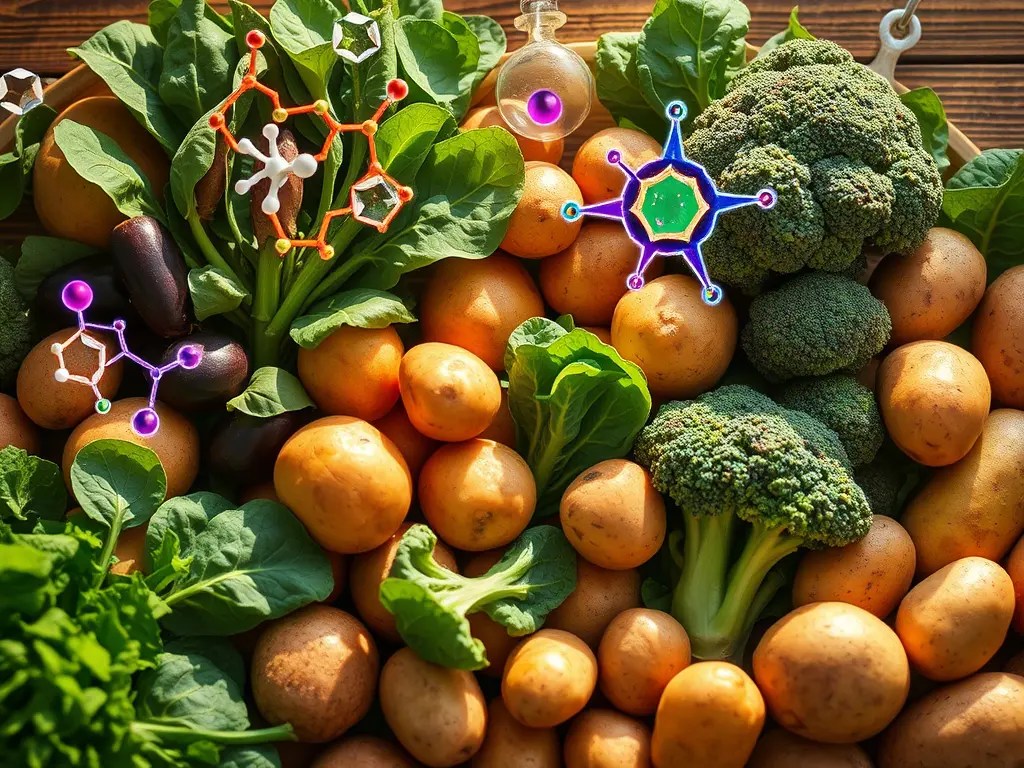
In a world brimming with wellness trends, few nutrients hold as much promise as Alpha-Lipoic Acid (ALA). Revered for its potent antioxidant abilities and deep cellular support, ALA is more than just a supplement—it’s a cornerstone for balancing blood sugar, enhancing energy, and protecting the brain. This remarkable compound works at the cellular level, helping to regenerate other antioxidants like vitamins C and E, thus amplifying their effects and ensuring your body is equipped to combat oxidative stress. Whether you’re looking to sharpen your mind, improve metabolism, or boost overall vitality, this sulfur-packed compound deserves a closer look. Beyond its metabolic benefits, recent studies suggest that ALA may also play a role in reducing inflammation, potentially offering protective effects against neurodegenerative diseases. With its wide range of applications, ALA stands out as a valuable ally in the quest for optimal health, making it a popular choice among health enthusiasts and researchers alike.
🧠 Alpha-Lipoic Acid (ALA): A Deep Dive into Its Nutritional Power
Alpha-lipoic acid (ALA) is a naturally occurring compound with potent antioxidant properties. It’s both water- and fat-soluble, which makes it uniquely versatile in the body—able to work in virtually every cell and tissue.
🌿 What Is ALA?
- ALA is a sulfur-containing compound produced in small amounts by the body, playing a crucial role in various metabolic processes and contributing to cellular health by acting as an antioxidant.
- Found in foods like spinach, broccoli, potatoes, red meat, and organ meats, which are all rich sources of essential nutrients and provide various health benefits.
- Available as a dietary supplement in doses ranging from 100–600 mg, often used for therapeutic purposes and frequently recommended by healthcare providers for individuals seeking alternative treatment options, particularly for enhancing overall wellness and addressing specific health concerns.
⚙️ How ALA Works in the Body
- Acts as a coenzyme in the Krebs cycle, helping convert glucose into energy, facilitating a series of enzymatic reactions essential for cellular respiration, which ultimately leads to the production of adenosine triphosphate (ATP).
- Neutralizes free radicals and regenerates other antioxidants like vitamin C, E, and glutathione, thereby contributing to overall skin health and helping to maintain youthful, vibrant skin while also supporting the body’s natural defense mechanisms against oxidative stress and environmental damage.
- Supports mitochondrial function, which is crucial for energy production and cellular health, providing the necessary energy for various cellular processes and helping maintain overall metabolic balance within the body’s cells.
💪 Nutritional Benefits of ALA
Here’s how ALA can support your daily health:
1. Blood Sugar Regulation
- Enhances insulin sensitivity and helps lower blood glucose levels, which is particularly beneficial for individuals managing diabetes, as it can contribute to more stable energy levels and improved overall metabolic health.
- May reduce symptoms of diabetic neuropathy, such as tingling and pain, by potentially improving nerve function and circulation, which can ultimately lead to a more comfortable experience for individuals dealing with this condition.
2. Weight Management
- May suppress appetite by influencing AMPK, an enzyme involved in energy balance, which plays a crucial role in regulating metabolism, energy expenditure, and hunger signals in the body, ultimately contributing to weight management and overall health.
- Studies show modest weight loss results, with an estimated range of approximately 1.5 to 5 lbs, that can be achieved through the use of supplementation.
3. Brain & Nerve Health
- Crosses the blood-brain barrier to protect neurons from oxidative stress, thereby enhancing the overall health of the brain and potentially reducing the risk of neurodegenerative diseases that can arise from prolonged oxidative damage.
- May support memory and cognitive function, especially in aging populations, by providing essential nutrients that enhance mental clarity and reduce the risk of cognitive decline. This support can be crucial as individuals age, helping maintain independence and quality of life.
4. Heart Health
- Reduces markers of inflammation like C-reactive protein and interleukin-6, which are crucial indicators in assessing various inflammatory conditions and diseases, thereby contributing to a better understanding of overall health and wellness.
- May improve endothelial function, thereby supporting healthy blood vessels, which can lead to enhanced cardiovascular health and better overall circulation in the body.
5. Skin Protection
- Used in topical creams to reduce fine lines and sun damage, these ingredients often contain beneficial properties that help in improving skin elasticity, enhancing hydration, and promoting a healthier appearance overall.
- Promotes wound healing and may reverse damage from cigarette smoke, contributing to overall health improvement and potentially reducing long-term effects caused by tobacco use.
6. Liver Support
- Helps detoxify heavy metals and supports liver function under stress, contributing to overall health and fostering a more resilient bodily response to various environmental toxins and challenges.
⚠️ Potential Side Effects & Precautions
- Generally well-tolerated, but may cause nausea, headache, heartburn, or rash, particularly in sensitive individuals or when taken in higher doses than recommended.
- Can lower blood sugar levels—however, it is important to exercise caution if you’re currently taking diabetes medication, as this could result in potentially dangerous interactions or unexpected fluctuations in blood glucose levels. Always consult with a healthcare professional before making any changes to your treatment plan or incorporating new natural remedies.
- May interfere with thyroid hormones, chemotherapy, or blood thinners, potentially leading to side effects or altering effectiveness, especially in individuals with pre-existing health conditions or those undergoing specific medical treatments.
🥬 Food Sources of ALA
| Food | ALA Content (Low to Moderate) |
|---|---|
| Spinach | ✅ |
| Broccoli | ✅ |
| Red meat (esp. liver) | ✅ |
| Tomatoes | ✅ |
| Brewer’s yeast | ✅ |
Note: Dietary ALA is less concentrated than supplements, but still beneficial.
Final Tips
From nourishing your neurons to regulating your glucose, Alpha-Lipoic Acid plays a dynamic role in optimizing daily health and enhancing overall well-being. Its versatility as both a water- and fat-soluble antioxidant makes it a unique ally in the fight against oxidative stress and inflammation, which are often contributors to chronic health conditions. By supporting cellular energy production and promoting an efficient metabolism, ALA can assist in maintaining healthy weight levels while also improving endurance during physical activities. Furthermore, it has the potential to boost the effectiveness of other antioxidants, creating a powerful synergy in your wellness regimen. Ready to amplify your wellness strategy? Embracing ALA could be your next smart move toward a more vibrant, balanced life, allowing you to unlock your full health potential and enjoy life to the fullest.

 Ignite and Achieve