
We often take for granted the very things that quietly sustain our lives—our health, our relationships, our time. When abundance becomes routine, appreciation fades. But beneath that fading glow lies a chance to awaken to life’s deepest values. In a world overflowing with convenience, rediscovering gratitude becomes revolutionary. This is not about loss; it’s about learning to see again.
Whether it’s the strength in your legs, the sound of your heartbeat, or the breath you didn’t even notice taking—health is not just a condition, it’s a privilege. One that deserves reflection, reverence, and renewal.
🧍♂️ Physical Health: The Taken-For-Granted Foundation
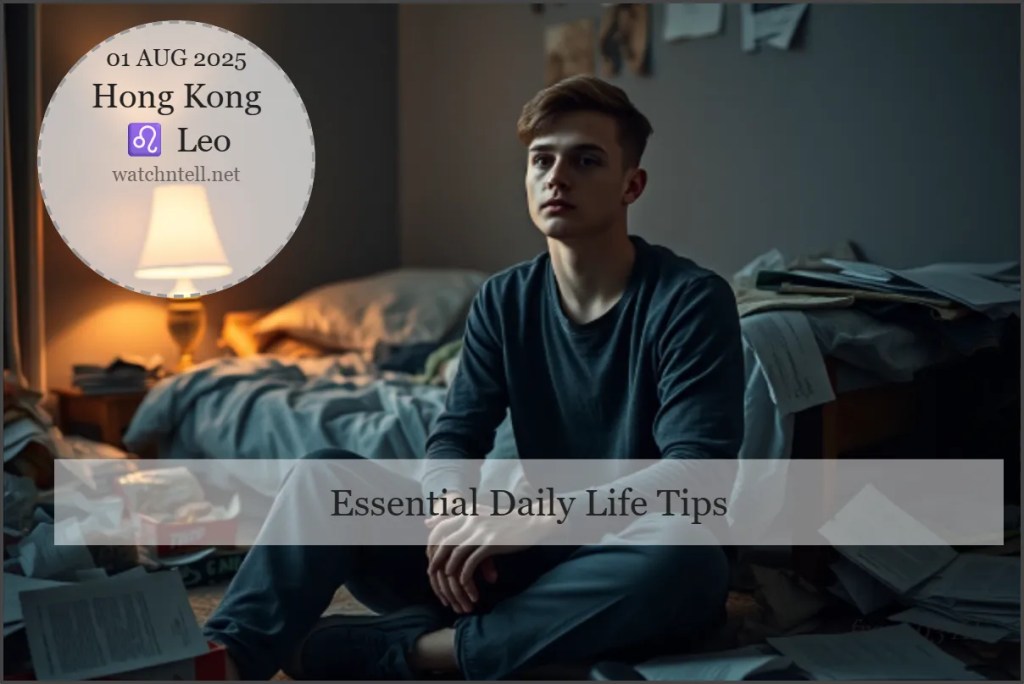
Scenario: A young adult with no major health issues.
- What happens: They stay up late into the night, eat erratically and inconsistently, skip important exercise routines, and completely ignore chronic stress factors, leading to an overall decline in health and well-being.
- Why: Their body keeps working day after day, so they assume it always will, leading to a false sense of invincibility and neglect of their physical health.
- Consequences: Sleep debt, nutrient deficiencies, creeping metabolic issues, and even early onset chronic conditions, which can lead to a cascade of health problems, impacting overall well-being, cognitive function, emotional health, and long-term physical fitness, ultimately resulting in a decreased quality of life and a higher risk of developing serious illnesses.
🎯 Reality Check: Only when pain, fatigue, or disease shows up do they realize the cost of neglect.
Example:
“I used to think being tired was normal. Then I got diagnosed with sleep apnea—and suddenly I remembered what ‘awake’ actually feels like.”
🧠 Mental Health: Quiet Until It Screams
Scenario: Someone high-achieving but emotionally depleted.
- What happens: They suppress stress, actively avoid vulnerability, and continuously strive to stay “strong.” This behavior leads to a cycle where mental strain becomes increasingly normalized, and emotional well-being is often overlooked in favor of maintaining this façade of strength and resilience.
- Why: Society often undervalues emotional maintenance, assuming that if there are no visible signs of distress, such as a fever, then there is no problem to address, right? This misconception can lead to neglecting the importance of mental well-being and the need for emotional support in our daily lives.
- Consequences: Burnout, anxiety, depression, even psychosomatic illnesses, which can manifest in a variety of physical symptoms such as headaches, fatigue, and digestive issues, leading to a further decline in overall well-being and productivity.
🚨 Breaking Point: A panic attack, breakdown, or loss forces a re-evaluation of their mental landscape.
Example:
“I never knew anxiety could feel like heart failure—until I ended up in the ER. That’s when I knew I had to change.”
💼 Workplace Wellness: Rewarded for Sacrifice
Scenario: A driven professional chasing success.
- What happens: Skips meals regularly, works long 12-hour days without breaks, ignores serious symptoms that require attention. The mentality is, “Health can wait,” leading to potential long-term consequences.
- Why: The culture glorifies grind, emphasizing the idea that relentless productivity is greater than the importance of rest and self-care, often leading individuals to push themselves beyond their limits in pursuit of constant achievement.
- Consequences: Heart issues such as arrhythmia or heart attack, chronic inflammation that may lead to various diseases, and weakened immune function which increases susceptibility to infections and illnesses.
🧘 Reversal: Many executives turn to yoga, meditation, and balanced living only after hitting a wall.
🧒 Childhood Health Habits: What’s Normal Isn’t Always Healthy
Scenario: A child raised on processed food and screen time.
- What happens: They get used to low energy, poor sleep, sugar highs and crashes, gradually becoming accustomed to a cycle of fatigue that impacts their focus and productivity, often leading to mood swings and reliance on quick fixes like sugary snacks, which only perpetuates the cycle of energy fluctuations and further disrupts their natural sleep patterns.
- Why: It’s “normal” in their environment, where cultural and social norms heavily influence behavior and perceptions, making it seem entirely natural and acceptable to them.
- Consequences: Early obesity, which can lead to various health complications; behavioral issues that may affect social interactions; poor academic performance resulting from lack of focus and engagement in school activities.
🔄 Course Correction: Education, exposure to healthier models, and support can radically change trajectories.
🧓 Aging and Regret: Looking Backward with Clarity
Scenario: An elder reflecting on lifestyle choices.
- What happens: Realization hits—years of overworking, eating poorly, and ignoring warning signs culminate in a stark awareness of the consequences that these choices have led to. It’s a moment of clarity, where the accumulation of stress, unhealthy habits, and neglect becomes painfully evident, forcing a confrontation with the reality of one’s lifestyle and its impact on both physical and mental health.
- Why: Time distorts priorities in ways we often fail to recognize. We don’t see how daily habits quietly morph into lifelong patterns that shape our lives, influencing our decisions, and determining our trajectories without our conscious awareness.
- Consequences: Chronic pain, which can be debilitating and persistent, dependence on medication that may lead to tolerance or withdrawal, and reduced quality of life including limitations in daily activities, emotional distress, and social isolation.
💡 Wisdom Shared: Many urge younger generations to “pay attention now”—before it costs later.
🌐 Societal Blind Spots: Health vs Access
- In affluent societies, health problems are often about excess—poor diet, stress, sedentary life, which can lead to a myriad of health issues, including obesity, heart disease, and mental health disorders, highlighting the irony that wealth can sometimes result in a decline in well-being.
- In marginalized communities, they’re about lack—inadequate access to care, clean water, nutritious food, and opportunities for education and employment, which perpetuate cycles of poverty and limit social mobility.
⚖️ Perspective Shift: Realizing how much health is shaped by environment, privilege, and policy helps foster gratitude and awareness.
🔄 Reconnection Strategies
Here’s how people reignite appreciation for health:
- Health journaling: Tracking how you feel—energy, sleep, digestion—builds awareness and allows you to identify patterns over time, understand your triggers, and make informed decisions about your lifestyle and wellness choices.
- Digital detoxes: Reducing screen time improves both mental and physical health by allowing individuals to reconnect with nature, enhance their focus, and foster deeper relationships with family and friends, ultimately leading to a more balanced lifestyle and increased overall well-being.
- Scheduled check-ins: Annual exams and mental health reviews can prevent big issues, ensuring that any potential problems are caught early and managed effectively, leading to better overall health and well-being for individuals.
- Body gratitude rituals: Before bed, take a moment to reflect and name one thing your body did well that day, whether it was running, dancing, or even simply allowing you to feel emotions deeply, acknowledging these small victories can foster a deeper connection with your physical self.
- Movement as celebration: Not punishment—exercise to feel alive, not to “earn” food. It’s an opportunity to discover joy in your body, to experience the exhilaration of motion, and to honor what your body can do. Embrace movement as a joyful expression of your existence rather than a means to an end.
👣 Final Thought:
Health isn’t just the absence of illness—it’s the foundation that allows us to live fully and embrace the richness of our everyday experiences. It encompasses not only physical well-being but also mental and emotional harmony, nurturing our ability to pursue passions, build relationships, and engage with the world around us. The tragedy is we often wait for its absence to remember its value, taking for granted the small joys and daily activities that become challenging when our health begins to falter. By recognizing and appreciating our health, we can cultivate habits that sustain our vitality, ensuring that we do not just exist but thrive in each moment.

 Ignite and Achieve