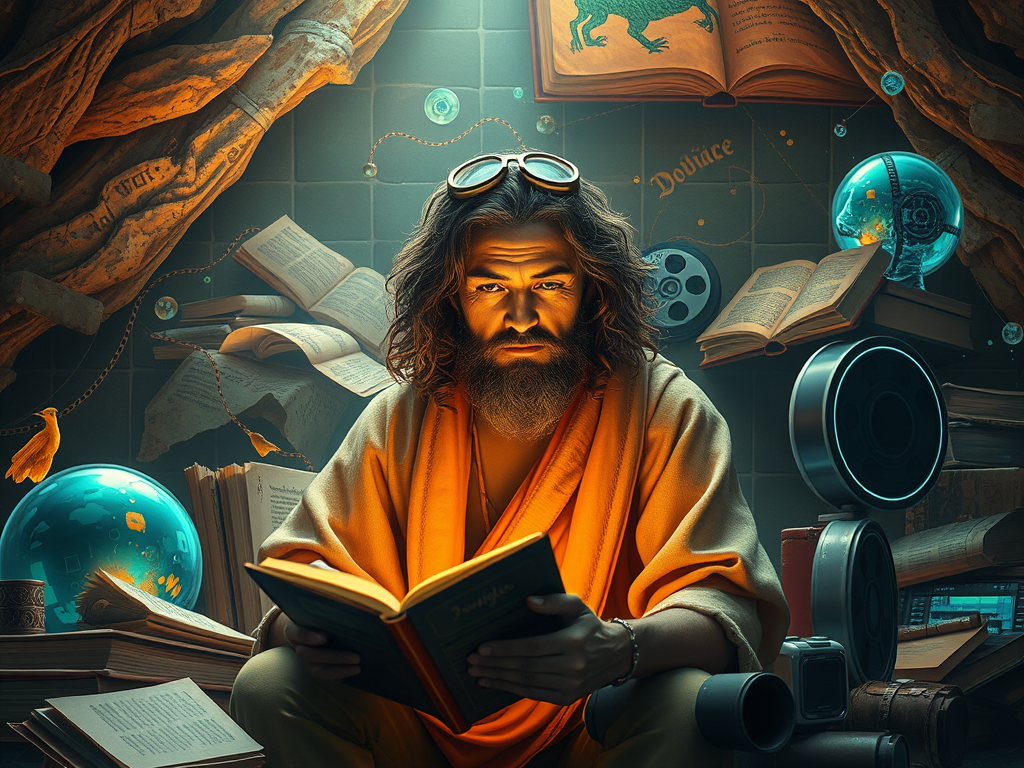
A New Chapter in Human Imagination
Storytelling has always been the heartbeat of human culture—a way to preserve memory, share emotion, and shape identity. From cave paintings to epic poems, novels to cinema, each era has redefined how we tell stories, reflecting the values and beliefs of the time. In ancient times, oral traditions kept history alive, while the written word revolutionized access to knowledge and creativity. As technology advanced, new mediums emerged, allowing storytellers to explore complex narratives and immerse audiences in vivid experiences. Now, we stand at the edge of a new frontier: the age of artificial intelligence, where machine-generated tales can offer unique perspectives, challenge our understanding of creativity, and invite us to consider what it means to be a storyteller in an increasingly digital world. This evolution presents both exciting opportunities and ethical considerations, prompting a reexamination of the narratives we choose to embrace and the voices we elevate.
📖 From Campfires to Code: A Brief Evolution
- Oral Tradition: Stories passed down through generations shaped culture, identity, and values.
- Written Word: The printing press democratized storytelling, allowing ideas to spread across time and space.
- Digital Age: Multimedia storytelling emerged—films, video games, podcasts—blending visuals, sound, and interactivity.
- AI Era: Now, machines can write novels, compose music, generate images, and simulate characters—ushering in a new chapter of co-creation.
🤖 How AI Is Reshaping Storytelling
1. Generative Creativity
- AI models can write poems, scripts, and entire novels based on prompts.
- Tools like ChatGPT, Copilot, and others assist writers with plot development, dialogue, and tone.
2. Personalized Narratives
- AI tailors stories to individual preferences—genre, mood, pacing—creating bespoke experiences.
- Interactive fiction and games now adapt in real time to user choices and emotional responses.
3. Synthetic Characters and Worlds
- AI-generated avatars and voices populate virtual worlds, making storytelling more immersive.
- Deep learning enables realistic animation, facial expressions, and voice modulation.
4. Collaborative Creation
- Writers, artists, and musicians use AI as a creative partner—not a replacement.
- AI helps brainstorm, refine, and visualize ideas, accelerating the creative process.
🌍 Cultural and Ethical Implications
- Authenticity vs. Automation: Can a machine-generated story carry emotional truth?
- Bias and Representation: AI reflects the data it’s trained on—raising concerns about stereotypes and exclusion.
- Ownership and Credit: Who owns a story co-created by AI? How do we credit machine contributions?
🔮 The Future of Storytelling
- Neuroadaptive Narratives: Stories that respond to brainwaves and emotional states.
- Transmedia AI: Seamless storytelling across books, games, films, and AR/VR—powered by AI continuity.
- Global Voices: AI translation and synthesis allow stories to cross linguistic and cultural boundaries instantly.
🧭 Final Hints
AI is not replacing storytellers—it’s expanding the canvas in ways previously unimaginable. The heart of storytelling remains human: the profound desire to connect, to understand, and to imagine beyond our immediate realities. In the age of AI, that heart beats louder and more resonantly, reaching new audiences in innovative ways, harnessed by cutting-edge technologies and collaborative tools. As we embrace these advancements, we discover the potential for interactive narratives that engage and evoke emotions like never before. The story of humanity continues—rich, diverse, and multifaceted—and now, we’re writing it together, crafting a tapestry of voices that honors our collective experiences while forging new paths into the future of storytelling.
 Ignite and Achieve