
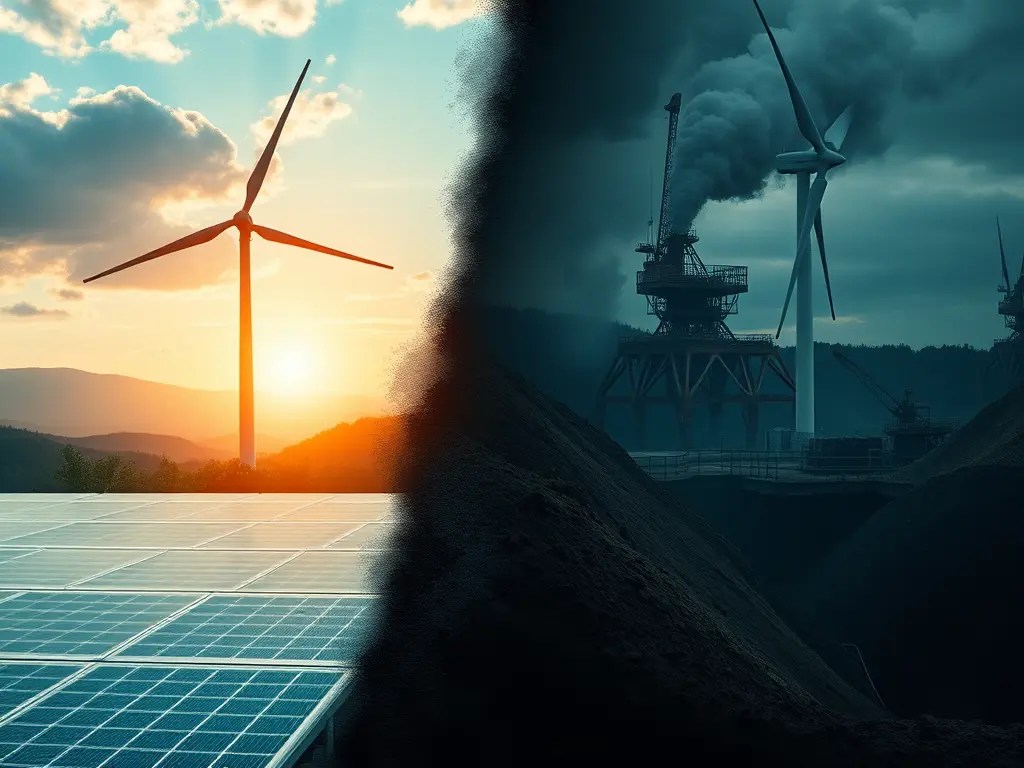
Unseen Fault Lines: The Underestimated Challenges of Green Innovation
Green innovation is widely heralded as the cornerstone of a sustainable future—driving decarbonization, resource efficiency, and environmental stewardship. Yet beneath its promise lies a complex web of overlooked challenges that, if left unaddressed, risk undermining its long-term viability and ethical integrity. This analysis explores six critical yet underestimated issues that demand greater scrutiny in the development and deployment of green technologies.
⚒️ 1. Resource Extraction and Supply Chain Vulnerabilities
While green technologies aim to reduce environmental impact, their production often relies on resource-intensive and geopolitically sensitive supply chains.
- Critical Minerals: Lithium, cobalt, and rare earth elements—essential for batteries, solar panels, and wind turbines—are frequently mined under environmentally destructive and ethically questionable conditions.
- Geopolitical Risk: Concentrated supply chains in politically unstable regions pose risks to energy security and innovation continuity.
- Lifecycle Emissions: The carbon footprint of mining, refining, and transporting these materials can offset the environmental gains of the end products.
Strategic Imperative: Develop circular economy models, invest in material substitution research, and enforce transparent, ethical sourcing standards.
🌱 2. Ecological Displacement and Habitat Disruption
Green infrastructure can inadvertently cause ecological harm when implemented without comprehensive environmental planning.
- Wind and Solar Installations: Large-scale projects may fragment habitats, disrupt migratory patterns, and threaten biodiversity.
- Hydropower Projects: Dams alter river ecosystems, displace communities, and affect sediment and nutrient flow.
- Bioenergy Crops: Land conversion for biofuels can lead to deforestation, soil degradation, and monoculture expansion.
Strategic Imperative: Integrate ecological impact assessments into early-stage planning and prioritize low-footprint, biodiversity-friendly technologies.
💸 3. Socioeconomic Inequities and Access Barriers
Green innovation often benefits affluent populations while marginalizing vulnerable communities.
- Affordability Gaps: High upfront costs of solar panels, electric vehicles, and energy-efficient housing limit adoption among low-income groups.
- Policy Bias: Incentive structures frequently favor homeowners and urban residents, excluding renters and rural populations.
- Global Disparities: Developing nations face technological and financial barriers to accessing green solutions, exacerbating global inequality.
Strategic Imperative: Design inclusive financing mechanisms, community-based deployment models, and equitable policy frameworks.
🔋 4. Energy Storage and Grid Integration Challenges
Renewable energy’s intermittency demands robust storage and distribution systems—an area still fraught with technical and economic hurdles.
- Battery Limitations: Current technologies are expensive, resource-intensive, and pose recycling challenges.
- Grid Inflexibility: Legacy infrastructure struggles to accommodate decentralized and variable energy inputs.
- Cybersecurity Risks: Smart grids and digital energy systems introduce vulnerabilities to cyberattacks and data breaches.
Strategic Imperative: Accelerate research in next-generation storage (e.g., solid-state, hydrogen), modernize grid infrastructure, and embed cybersecurity protocols.
🧑🔧 5. Maintenance, Longevity, and Technological Dependency
Green systems often require specialized maintenance and may suffer from premature obsolescence.
- Technical Complexity: Advanced systems like smart buildings and renewable microgrids demand skilled labor and continuous monitoring.
- Digital Reliance: Dependence on software and IoT devices introduces risks of malfunction, data loss, and vendor lock-in.
- End-of-Life Management: Disposal and recycling of green tech components (e.g., solar panels, EV batteries) remain underdeveloped.
Strategic Imperative: Invest in workforce training, open-source platforms, and robust end-of-life recycling infrastructure.
🔄 6. Displacement and Transition Risks
The shift to green economies can disrupt traditional industries and livelihoods, creating social and political tension.
- Job Losses: Fossil fuel-dependent regions face economic decline without proactive transition planning.
- Cultural Resistance: Communities may resist changes that threaten identity, autonomy, or way of life.
- Policy Volatility: Inconsistent regulatory environments can stall innovation and erode public trust.
Strategic Imperative: Implement just transition strategies, including retraining programs, stakeholder engagement, and long-term economic diversification.
🧭 Conclusion: Toward Holistic Green Innovation
Green innovation must evolve beyond technical performance to embrace ethical sourcing, ecological integrity, social equity, and systemic resilience. It is essential for companies and organizations involved in this movement to explore not just the metrics of efficiency and output but also the broader implications of their practices on communities and the environment. By confronting these underestimated challenges head-on, stakeholders can ensure that sustainability is not only achieved—but sustained. This involves developing new frameworks for collaboration, investing in circular economy practices, and fostering transparency throughout supply chains, which collectively empower consumers to make informed choices. Ultimately, a holistic approach that integrates these values will drive more profound changes within society and create lasting impacts for future generations.

 Ignite and Achieve