Unlock Your Potential* Empower Your Journey* Embrace Your Future*

A Heartfelt Welcome to You!

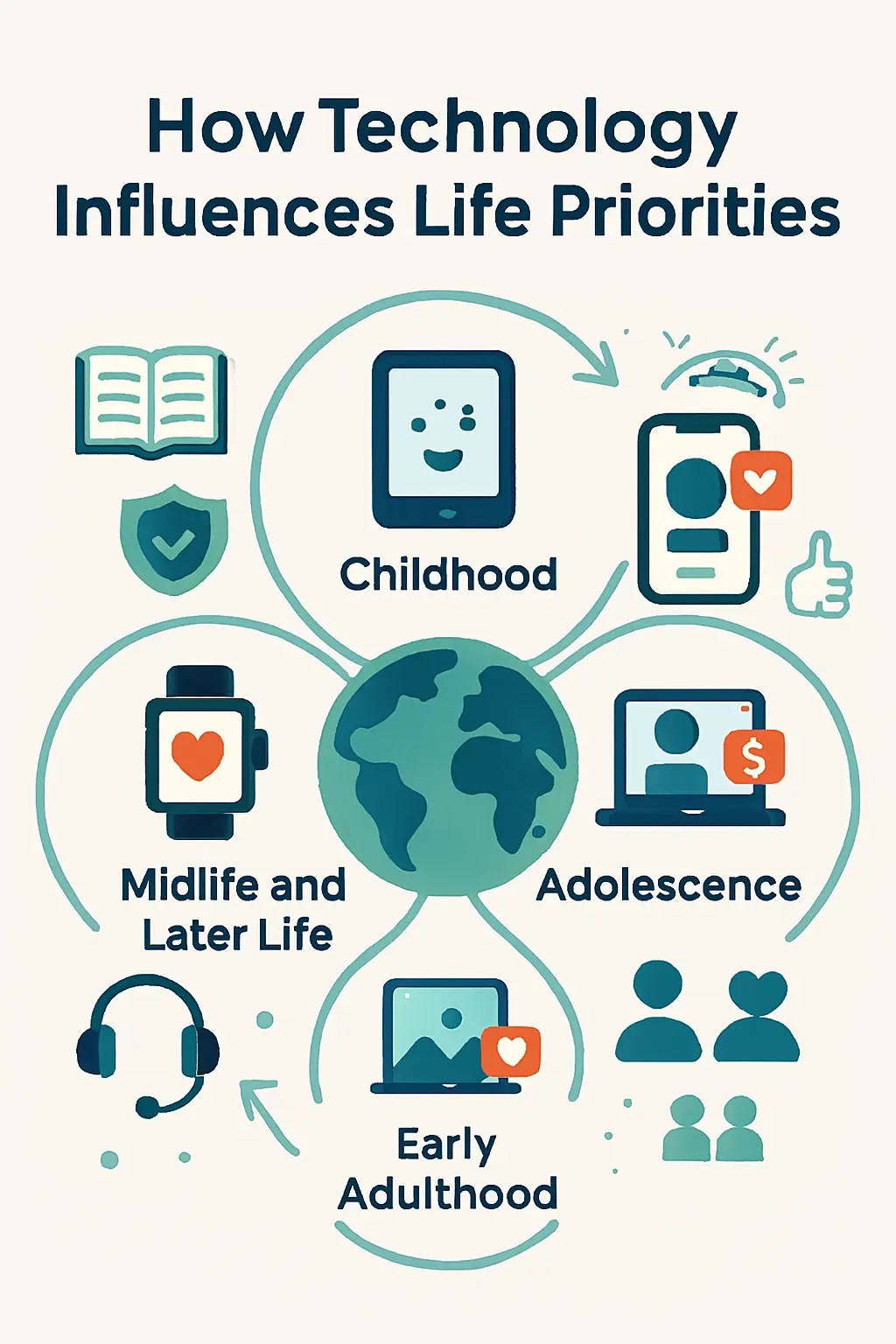
How Technology Influences Life Priorities

by

How Technology influences life priorities

·

🌱 Core Elements of a Meaningful Life

  • Health: Physical and mental well-being form the foundation of everything else. Without health, other pursuits lose their value.
  • Family: Strong family bonds provide support, identity, and belonging across generations.
  • Friendship: Genuine connections outside family enrich life with companionship and shared experiences.
  • Love: Romantic and platonic love fosters emotional fulfillment and resilience.
  • Purpose: A sense of meaning—whether through career, creativity, or service —guides decisions and sustains motivation.
  • Safety: Security in living conditions, finances, and community is essential for stability.
  • Freedom: Autonomy to make choices and pursue passions is a universal aspiration.
  • Peace of mind: Emotional balance and mental clarity allow people to enjoy life fully.
  • Community: Belonging to a group or society provides shared identity and collective strength.
  • Personal growth: Continuous learning and self-improvement help individuals adapt and thrive.

📊 Comparative Overview

PriorityWhy It MattersRisks if Neglected
HealthEnables longevity, energy, and resilienceChronic illness, reduced quality of life
FamilyProvides unconditional support and identityIsolation, weakened social fabric
FriendshipBuilds joy, trust, and shared experiencesLoneliness, lack of emotional outlet
PurposeCreates direction and motivationAimlessness, dissatisfaction
FreedomAllows authentic living and creativityOppression, frustration
Peace of mindSupports mental health and happinessStress, burnout
CommunityStrengthens belonging and collective progressAlienation, instability

Modern technology is profoundly reshaping what people value at different stages of life. Let’s look at how digital tools, connectivity, and automation are influencing age‑based priorities:

👶 Childhood (1–12 years)

  • Digital play and learning: Tablets, educational apps, and interactive games are now central to early development.
  • Online safety: Parents prioritize digital literacy and protection from harmful content.
  • Global exposure: Children encounter diverse cultures and ideas earlier through online media.

🧑 Adolescence (13–19 years)

  • Identity through social media: Platforms like Instagram or TikTok shape self‑expression and peer validation.
  • Education technology: Online courses, AI tutors, and gamified learning expand opportunities beyond the classroom.
  • Mental health awareness: Technology both challenges (cyberbullying, comparison culture) and supports (apps for mindfulness, therapy access).

👩‍💼 Early Adulthood (20–35 years)

  • Career flexibility: Remote work, freelancing platforms, and AI productivity tools redefine career paths.
  • Digital relationships: Dating apps and social networks influence how partnerships form.

  • Financial independence: Online banking, investing apps, and cryptocurrencies reshape financial priorities.
  • Personal growth: Access to global communities, online learning, and digital hobbies accelerates self‑development.

👨‍👩‍👧‍👦 Midlife (36–55 years)

  • Work–life integration: Technology enables hybrid work but also blurs boundaries between career and family.
  • Health monitoring: Wearables and telemedicine make preventive care more accessible.
  • Family management: Smart home devices and digital calendars streamline household responsibilities.
  • Community engagement: Online activism and digital volunteering expand civic participation.

👵 Later Life (56+ years)

  • Health and longevity tech: AI diagnostics, robotic assistance, and telehealth support aging populations.
  • Connection and companionship: Video calls, social platforms, and VR experiences reduce isolation.
  • Legacy preservation: Digital archives, photo sharing, and storytelling apps help pass on memories.
  • Purpose beyond work: Online communities and e‑learning allow retirees to pursue new skills or causes.

📊 Summary Table

Age GroupTraditional PrioritiesTechnology’s Influence
ChildhoodPlay, family, healthDigital learning, online safety
AdolescenceIdentity, peers, educationSocial media, mental health apps
Early AdulthoodCareer, love, independenceRemote work, dating apps, fintech
MidlifeFamily, career, healthHybrid work, wearables, smart homes
Later LifeHealth, legacy, peaceTelehealth, VR companionship, digital archives

Final Hints

🌍 Universal Anchors

  • Health: Always foundational—technology now supports it with wearables, telemedicine, and AI diagnostics.
  • Relationships: Family, friends, and love remain central, but digital platforms change how we connect and maintain them.
  • Purpose: Whether through career, creativity, or service, technology expands opportunities for self‑expression and impact.
  • Peace of mind: Mindfulness apps, digital therapy, and online communities help sustain mental balance.

🔄 Age-Based Shifts with Technology

  • Childhood: Digital learning tools accelerate growth but require careful balance with offline play.
  • Adolescence: Social media shapes identity and peer validation, making digital literacy and resilience critical.
  • Early Adulthood: Remote work, fintech, and online dating redefine independence and career paths.
  • Midlife: Hybrid work and smart homes reshape family management and career balance.
  • Later Life: Telehealth, VR companionship, and digital archives preserve health, connection, and legacy.

⚠️ Key Takeaways

  • Balance matters: Technology enhances priorities but can also distort them if overused.
  • Adaptability is essential: Each generation must learn to integrate digital tools without losing human touch.
  • Ethics and awareness: Privacy, misinformation, and digital dependency are risks that require conscious management.
2nd Logo Ignite And Achieve