
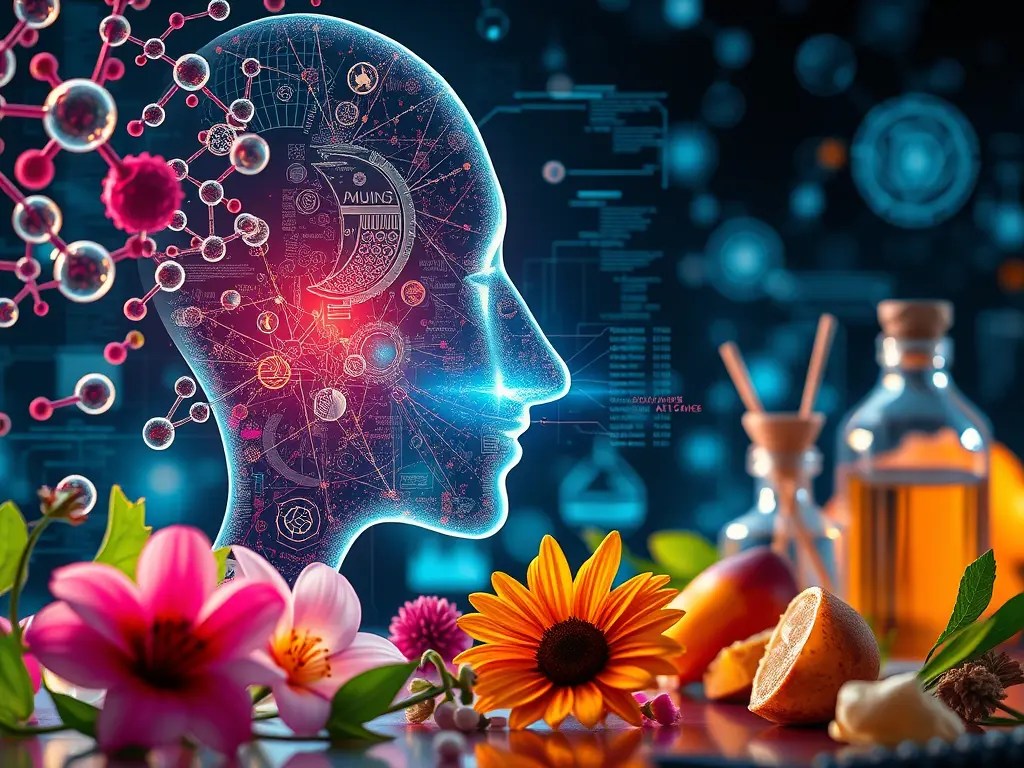
Framework for AI Smell
1. Definition
AI smell refers to the use of artificial intelligence to replicate, analyze, and interpret the human sense of smell. It involves mapping molecular structures to sensory outcomes, enabling digital recognition, prediction, and creation of olfactory experiences. This innovative technology not only seeks to mimic the intricate workings of the human nose but also aims to enhance the way we perceive aromas in various applications such as perfumery, food and beverage industries, and even in healthcare for diagnosing certain conditions through breath analysis. By utilizing advanced algorithms and machine learning techniques, AI smell systems can be trained on vast datasets of scent profiles, offering unparalleled precision in scent identification and personalization, ultimately transforming how we interact with our olfactory environment.
2. Core Dimensions
- Healthcare Applications
- Non-invasive diagnostics through breath analysis.
- Early detection of diseases by identifying molecular markers.
- Monitoring patient health via continuous olfactory sensing.
- Consumer and Lifestyle Applications
- Personalized fragrance and flavor design.
- Predictive modeling of scent preferences for tailored products.
- Integration of scent into immersive digital experiences.
- Environmental and Sustainability Applications
- Air quality monitoring and pollution detection.
- Hazard identification in industrial settings.
- Ethical product development by reducing reliance on animal testing.
- Scientific and Research Applications
- Expanding understanding of molecular interactions.
- Creating standardized datasets for olfactory modeling.
- Bridging neuroscience and computational modeling of sensory perception.
3. Benefits
- Efficiency: Accelerates fragrance and flavor development by reducing trial-and-error.
- Accuracy: Enhances medical diagnostics with precise molecular detection.
- Safety: Improves environmental monitoring and hazard prevention.
- Personalization: Enables tailored consumer experiences based on individual scent profiles.
4. Challenges
- Complexity of Olfaction: Human smell perception involves thousands of molecules and subjective interpretation.
- Ethical Concerns: Potential misuse in consumer manipulation or surveillance.
- Accessibility: High costs and specialized equipment may limit adoption.
- Standardization: Lack of universal frameworks for validating AI-generated olfactory data.
5. Strategic Outlook
AI smell represents a frontier where technology intersects with biology and human experience, creating a fascinating tapestry of interaction between the digital world and our innate sensory perceptions. Its potential spans various sectors, including healthcare, sustainability, and consumer innovation, positioning it as a transformative tool for the coming decade and beyond. By digitizing one of humanity’s most ancient senses, olfactory intelligence opens doors to an endless treasure of opportunities, allowing for groundbreaking advancements in personalized medicine, where scents may influence treatment effectiveness. Furthermore, it enriches daily life by providing tailored experiences in consumer products and environments, making them more engaging and suited to individual preferences. Additionally, this emerging field holds promise for advancing ethical innovation, as it encourages the development of sustainable practices that harmonize technological growth with ecological responsibility, ultimately fostering a more connected and mindful world.


 Ignite and Achieve