
The Future of Sustainable Construction in 2026
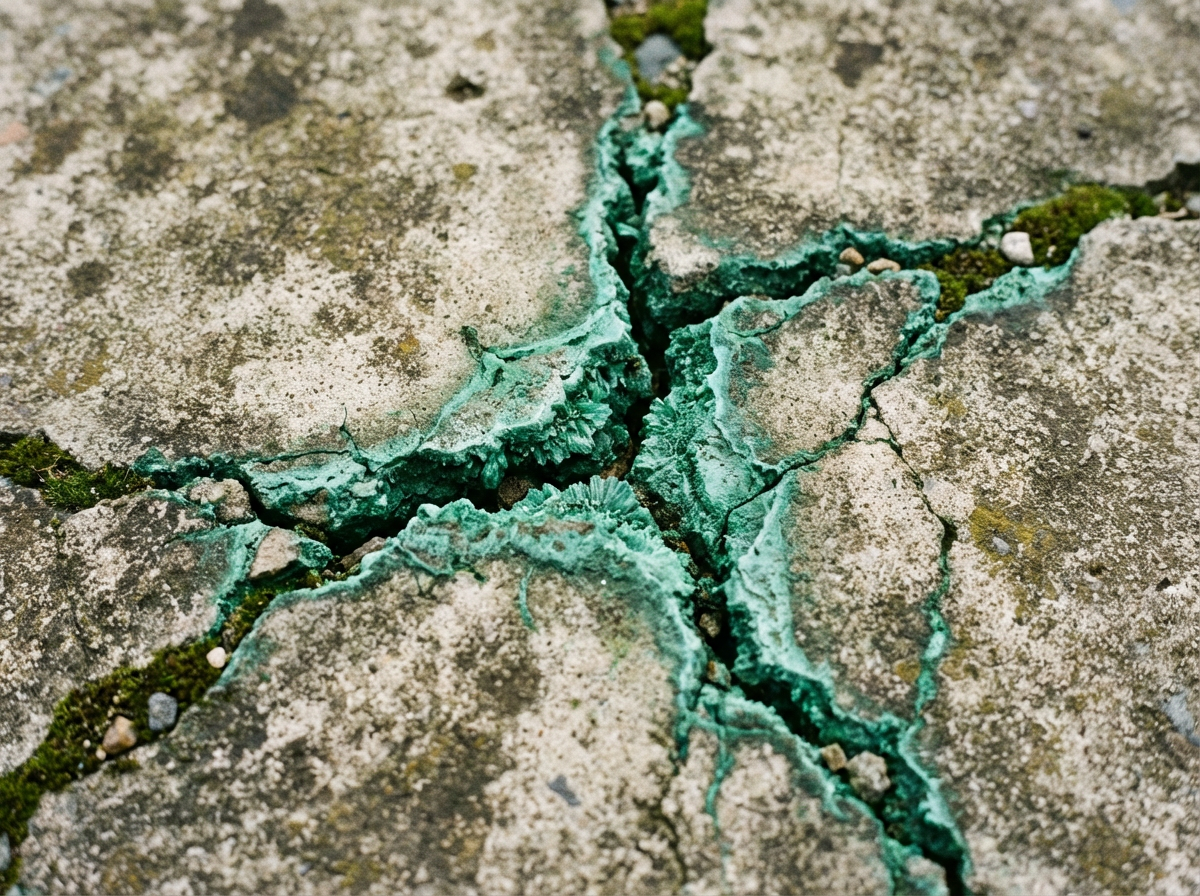
As the construction industry confronts the dual challenges of sustainability and resilience, self‑healing bioconcrete emerges as a transformative innovation that promises to revolutionize traditional practices. By embedding biological or chemical agents directly into concrete, this advanced material autonomously repairs cracks, thereby significantly extending infrastructure lifespans while also reducing environmental impact. This intelligent concrete not only responds to stressors and environmental changes but also reduces the need for frequent maintenance, which can be costly and resource-intensive.
In 2026, self‑healing bioconcrete is no longer a futuristic concept—it is a practical solution that is redefining how cities build, maintain, and sustain their foundations. As urban areas continue to expand and face challenges such as climate change, adopting this technology is perceived as vital for ensuring the longevity and sustainability of both residential and commercial structures. By integrating innovative materials like bioconcrete into construction practices, we pave the way for more resilient urban ecosystems capable of thriving in the face of adversity.
🧪 How It Works
- Bacteria‑based approach: Certain strains (like Bacillus) are embedded in the concrete during the mixing process. When cracks form and water seeps in due to environmental stress or wear and tear, the bacteria activate and produce limestone as a natural response, effectively sealing the gap and preventing further deterioration. This innovative method not only enhances the durability of the concrete but also contributes to sustainability by reducing the need for repairs.
- Microcapsule approach: Capsules filled with healing agents (like calcium lactate) break open when cracks occur, releasing material that fills and hardens to repair and reinforce the surrounding structure, thereby enhancing durability and extending the lifespan of the material in which they are embedded.
- Result: The concrete regains strength and prevents further damage without human intervention, ultimately leading to enhanced durability and longevity of the structure, which is particularly beneficial in challenging environmental conditions that may otherwise compromise its integrity.
🌍 Environmental Benefits
- Reduced maintenance: A significant decrease in the need for repair materials not only results in substantial savings but also lowers carbon emissions generated from cement production, contributing positively to environmental sustainability and overall resource conservation.
- Extended lifespan: Buildings and infrastructure last longer, significantly reducing waste and resource use, ultimately leading to a more sustainable environment and improved stability in urban planning.
- Lower costs: Over time, self‑healing concrete reduces repair budgets for cities and companies, ultimately leading to significant savings in overall construction and maintenance expenses, which can be reallocated to other critical infrastructure projects or community improvements.
🏙️ Applications in 2026
- Urban infrastructure: Bridges, tunnels, and highways benefit from automatic crack repair, which not only extends their lifespan significantly but also enhances safety for commuters and reduces maintenance costs over time.
- Smart cities: Sustainable construction aligns with green city initiatives, fostering energy efficiency, reducing carbon footprints, and enhancing the quality of urban life through innovative designs and eco-friendly technologies.
- Housing: Residential projects use it to effectively reduce long‑term maintenance costs, thereby enhancing the overall sustainability and livability of the development, which attracts more buyers and ensures a more stable investment return in the real estate market.
⚖️ Challenges
- Cost: Still more expensive than traditional concrete, though prices are falling as adoption grows, making it a more accessible option for various construction projects over time.
- Scalability: Large‑scale projects require consistent quality control to ensure that all components work seamlessly together, maintaining performance and functionality across diverse environments and user experiences.
- Regulation: Building codes are adapting slowly to new materials, which poses challenges for architects, engineers, and builders who strive to ensure safety, efficiency, and sustainability in modern construction practices.
Closing Hints
Self‑healing bioconcrete represents a significant shift from reactive repair to proactive resilience, fundamentally altering how we think about construction materials and their life cycles. By embedding life into materials, construction becomes regenerative, enabling not only the repair of structural damage but also the continuous improvement of the material itself over time. This innovative approach reduces environmental impact while creating longer‑lasting infrastructure—one that can adapt and evolve in response to the stresses it endures. Moreover, bioconcrete is a perfect example of how green innovation is moving beyond “less harm” toward active sustainability, illustrating how the integration of biological processes can transform the built environment into a dynamic system that supports both human needs and ecological balance. By embracing such advancements, we can pave the way for a future where our urban landscapes work in harmony with nature.

.