
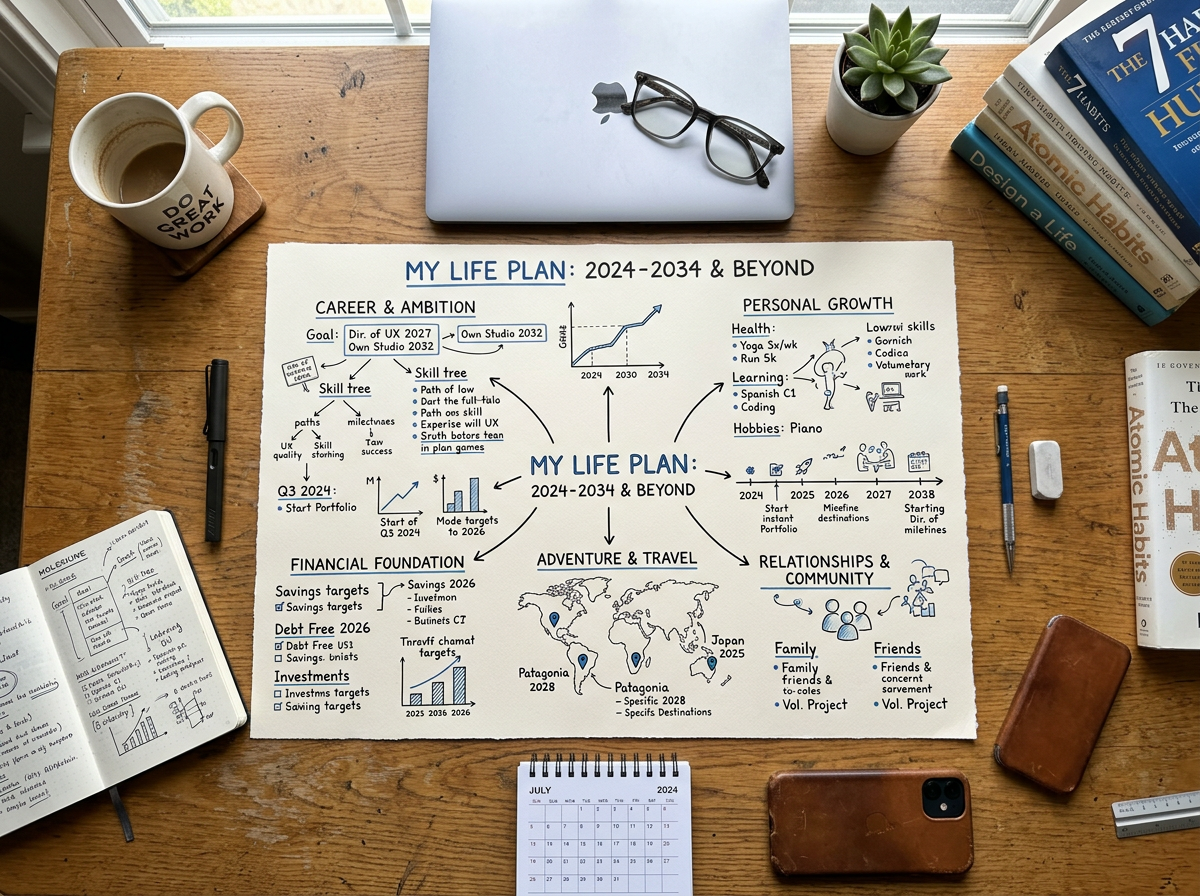
The CEO Mindset Applied to Life
Life is not a random sequence of events, nor is fate an unchangeable script carved in stone. Together, they form the intricate conditions and vast opportunities of our existence, unfolding like a beautifully woven tapestry where each thread contributes to the overall design. To thrive within this interplay, one must adopt the proactive mindset of a leader—treating life as an ever-evolving enterprise and fate as the external environment in which it operates.
By stepping into the role of the CEO of your own existence, you take ownership of vision, strategy, and resilience. You learn to allocate resources wisely, respond to uncertainty with unwavering strength, and continuously refine your path with intentionality and purpose. It requires embracing challenges as opportunities for growth, understanding that setbacks are simply stepping stones on the journey toward success.
In this transformative approach, fate becomes not a barrier but a rich backdrop, a canvas on which you paint your aspirations. Life then transforms into a purposeful performance guided by clarity, discipline, and meaning, where every decision aligns with your deepest values and aspirations, creating a profound sense of fulfillment and direction.
1. Vision & Mission
- Vision: Define what a fulfilling life looks like, considering elements such as joy, personal growth, meaningful contribution to the community, and the pursuit of passions and dreams that resonate deeply with one’s values and ideals.
- Mission: Accept fate as the boundary conditions, and commit to living purposefully within them, recognizing that our choices contribute to the unfolding of our journey and define our deeper understanding of fulfillment, resilience, and personal growth.
2. Strategic Planning
- Long-Term Goals: Health, career, relationships, personal growth, financial stability, educational achievements, and community involvement.
- Medium-Term Objectives: Focus on continuous skills development through targeted training programs, achieving financial stability by budgeting and saving effectively, and engaging in meaningful projects that contribute positively to both personal growth and community impact.
- Short-Term Actions: Daily habits, routines, and micro-decisions that consistently align with your vision, helping to create a sense of momentum and progress toward your long-term goals. By focusing on these smaller, manageable steps each day, you build the foundation for sustainable change and greater clarity in your journey.
3. Resource Management
- Time: Treat it as your most valuable capital—schedule wisely and allocate each moment with careful consideration, ensuring that your priorities align with your long-term goals and aspirations.
- Energy: Balance rest, work, and recreation to sustain performance over time, ensuring that each aspect contributes positively to overall health and productivity while preventing burnout.
- Relationships: Invest in supportive networks that enrich life, fostering connections that provide emotional strength, enhance personal growth, and create lasting bonds with family, friends, and community.
4. Risk & Resilience
- Risk Assessment: Identify and analyze what fate controls may impact the project, including unexpected events, external conditions, and potential risks that could arise, emphasizing the importance of preparation and mitigation strategies.
- Resilience Building: Develop adaptability, financial buffers, and emotional strength through continuous learning, effective stress management techniques, and fostering strong relationships with supportive communities and networks.
- Contingency Planning: Prepare detailed responses to setbacks, ensuring that fate doesn’t derail progress by having actionable strategies in place, allowing for swift adaptations and maintaining momentum even during unexpected challenges.
5. Leadership & Self-Governance
- Self-Leadership: Lead with discipline, empathy, and clarity of purpose, fostering a strong sense of accountability within yourself and inspiring others to do the same, while maintaining a resilient mindset to overcome challenges and stay focused on long-term goals.
- Decision-Making: Use rational analysis for controllable factors, wisdom for uncontrollable ones. This approach emphasizes the importance of clarity in assessing what’s within your grasp, allowing for a structured evaluation of options. Meanwhile, it acknowledges the unpredictability of external influences, urging a reliance on intuition and experience to navigate those uncertainties effectively. By blending these strategies, one cultivates a well-rounded decision-making process, enhancing the ability to adapt and respond to various situations.
- Motivation: Inspire yourself by connecting daily actions to your larger mission, recognizing that every small step contributes to your overall growth and success, and reminding yourself of the impact your efforts can have on achieving your long-term goals.
6. Continuous Improvement
- Review & Reflect: Conduct regular “life audits” (monthly, yearly) to assess your progress and achievements, evaluate your goals, and identify areas for improvement. This process helps to clarify your values and priorities, ensuring that you remain aligned with your personal and professional aspirations while making necessary adjustments along the way.
- Feedback Loops: Learn from successes and failures, as they provide an essential opportunity to understand what strategies or approaches are effective, and which need improvement, enhancing the overall quality of our work and decision-making processes.
- Innovation: Experiment with new habits, skills, and perspectives that challenge the status quo and foster creativity. Embrace change as a catalyst for growth and encourage the exploration of unconventional ideas and practices.
Final Hints for Life & Fate Management
- Clarity First: Always begin with a clear vision of what fulfillment means to you. Without clarity, fate feels overwhelming; with clarity, it becomes context.
- Focus on Controllables: Fate sets boundaries, but your choices define outcomes. Direct energy toward what you can influence—habits, relationships, skills.
- Resilience as Strategy: Prepare for uncertainty. Build emotional strength, financial buffers, and adaptive routines so fate’s surprises become manageable challenges.
- Continuous Reflection: Conduct regular “life audits.” Review progress, refine goals, and adjust strategies. CEOs don’t wait for crises; they anticipate and adapt.
- Balance Acceptance and Action: Accept what cannot be changed, act decisively on what can. This duality is the essence of enjoying both life and fate.
- Purpose as Compass: Anchor decisions in values and meaning. Purpose transforms fate from a limitation into a backdrop for growth.
