
How to Master the Swing in Daily Life for Sustained Success
In the acceleration of the modern world, the pursuit of professional and personal excellence is often mischaracterized as a relentless forward march. We are conditioned to view progress as a linear ascent, equating static consistency with strength. However, true sustainability—both in leadership and personal well-being—mirrors a more dynamic physical and philosophical principle: the swing.
The concept of the swing represents a harmonious balance between exertion and recovery, momentum and alignment. In physics, a swing requires a deliberate pull backward before it can generate the kinetic energy to propel forward. In daily life, this translates into a vital rhythm. We cannot sustain high-velocity output without respecting the quiet, preparatory phases of rest, strategic reflection, and recalibration. To excel consistently, professionals must learn to navigate these natural fluctuations rather than resist them.
Integrating this rhythmic approach requires intentionality. Whether through physical practices that restore circulation, mindful pauses that reset the nervous system, or structural frameworks that balance intense focus with deliberate detachment, mastering the swing is essential. It transforms stress into strategy and burnout into sustained momentum. By embracing this ebb and flow, we do not lose ground; instead, we gather the exact leverage required to reach new heights.
Ultimately, the goal is not to maintain a rigid, unyielding stance against the pressures of life, but to develop the agility to move with them. When we learn to master the cadence of our daily routines, we unlock a resilient form of productivity. We cease to merely endure the friction of our schedules and begin to leverage it, turning every necessary pause into a powerful launchpad for future success.
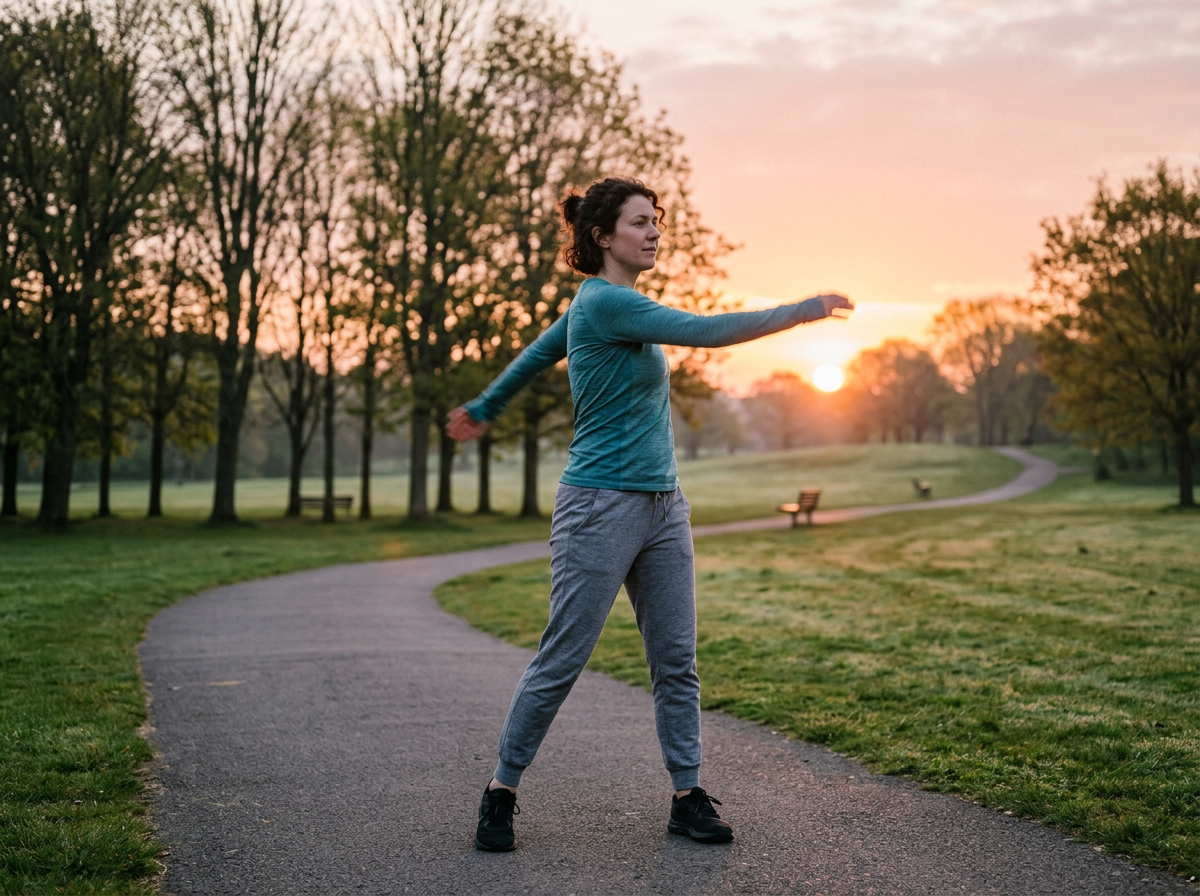
1. Chinese Qigong “Swing Hands” Exercise (Ping Shuai Gong)
This traditional wellness exercise unblocks body energy meridians, boosts blood circulation, and relieves shoulder tension, promoting overall relaxation and mental clarity. Engaging in this practice takes only 5 to 10 minutes, making it an excellent addition to a morning routine or a refreshing break during a busy day. It is best done on an empty stomach for optimal results, allowing the body to fully benefit from the therapy without the interference of digestion. Regular practice can enhance flexibility, improve posture, and increase energy levels throughout the day, leading to a more vibrant and productive lifestyle. By taking just a few minutes to focus on this revitalizing exercise, individuals can significantly enhance their well-being and mindfulness.
- The Setup: Stand barefoot with your feet parallel and shoulder-width apart. Grip the floor slightly with your toes, engaging your legs for stability, and squeeze your buttocks tightly to maintain a proper posture. Focus your gaze forward and keep your core engaged throughout the setup. This will help ensure balance and support during the movement.
- The Movement: Raise your hands to chest height with your palms facing down, ensuring that your elbows are slightly bent for better control. Swing both arms downward and backward powerfully, using about 70% of your strength, engaging your core to maintain balance and stability throughout the motion. Be mindful of your posture, keeping your back straight and shoulders relaxed to prevent any strain.
- The Return: Let your arms naturally bounce and swing back up to chest height on their own momentum, allowing for a fluid and effortless motion that contributes to the overall effectiveness of the exercise. This movement not only helps in maintaining rhythm but also engages various muscle groups, fostering an enhanced workout experience.
- The Rhythm: Breathe naturally through your nose, focusing on the sensation of air entering and leaving your body. Repeat this continuous, rhythmic front-to-back swing 100 to 500 times in a comfortable manner, paying attention to your body’s response to the movement. Maintain a gentle smile to release facial tension, as this can enhance your experience and promote relaxation during the exercise.
2. Playground Swinging for Adult Stress Relief
Swinging on an actual swing set is not just for children; the rhythmic motion triggers endorphins and stimulates the vestibular system to dramatically lower anxiety. This simple yet exhilarating activity allows individuals to escape the pressures of daily life, providing a soothing effect that can enhance mood and promote relaxation. As you swing back and forth, the gentle breeze and sense of freedom can evoke joyful memories, further contributing to a sense of well-being. Moreover, swinging encourages physical activity, which is essential for maintaining a healthy lifestyle, regardless of age. Engaging in such playful experiences not only fosters a connection to one’s inner child but also creates an opportunity for social interaction, whether swinging in tandem with friends or enjoying a quiet moment of reflection alone. The benefits of swinging extend beyond mere enjoyment; it serves as a powerful tool for mental and emotional rejuvenation.
- Find the Right Spot: Visit a local park or beach during the quiet hours of the day when there are fewer people around. Look for a sturdy swing that feels comfortable and allows you to settle in. Make sure it provides an open view of the sky, allowing you to gaze up at the clouds drifting by or the birds flying overhead. This scenic backdrop can enhance your swinging experience, creating a sense of freedom and relaxation.
- Master the Mechanics: Lean back slightly and pump your legs—extend them forward as you swing up, and gracefully tuck them under your seat as you move backward, maintaining a rhythmic motion to achieve the perfect swing. Keep your body relaxed and let the momentum of your legs enhance the experience of swinging high. As you become more comfortable, experiment with varying your pumping technique and enjoy the thrill of soaring through the air.
- Mindful Disconnection: Turn off your phone and any other distractions. Focus entirely on the weightless sensation at the highest peak of the swing to practice mindfulness. Allow yourself to be present in the moment, feeling the breeze against your skin and the rhythmic sway of the swing. This simple act can bring a sense of peace and tranquility, enhancing your overall well-being.
3. Fitness Kettlebell Swings
If you want to swing for physical power, adding functional kettlebell swings to your daily workout routine builds incredible core, glute, and hip endurance, making it an essential exercise for athletes and fitness enthusiasts alike. As you engage in kettlebell swings, not only do your muscles get stronger, but you also improve your cardiovascular fitness, coordination, and overall body stability. This dynamic movement engages multiple muscle groups simultaneously, promoting effective calorie burning while enhancing your functional strength. Incorporating this powerhouse exercise into your regimen can significantly contribute to better athletic performance and increased daily energy levels, ensuring you achieve the results you desire efficiently. Remember to focus on proper form and technique to maximize benefits and minimize the risk of injury.
- The Hip Hinge: Never squat to swing a kettlebell. Stand with your feet shoulder-width apart, push your hips back, and keep your spine perfectly straight. Ensure that your shoulders are pulled back and your chest is up to maintain a strong posture throughout the movement. It’s essential to engage your core to provide stability and support during the hinge. Focus on your movement being driven from the hips rather than bending at the knees, which will help you to maintain proper form and maximize the effectiveness of the swing.
- The Snap: Drive your hips forward explosively, squeezing your glutes tightly to snap into a rigid standing position. This momentum, generated by the force of your hip drive, will efficiently launch the weight forward; your arms are just ropes guiding it, playing a passive role in the movement. Ensure that your core remains engaged throughout to maintain stability and control during this explosive action. Proper form is essential to maximize power and minimize the risk of injury.
4. Adopting a “Swinging Mindset”
As a metaphor for daily life, swinging teaches emotional resilience. Every backward swing—a setback, a period of rest, or a hard moment—is actually the exact structural momentum required to propel you forward and higher on the next turn. This rhythmic back-and-forth motion illustrates the natural ebb and flow of life, reminding us that just as we face challenges and experience lows, these moments also prepare us for the highs to come. The anticipation and thrill of soaring higher with each forward motion serve as a testament to the strength we gain from overcoming obstacles, showcasing the importance of patience and perseverance. Just like the swing requires an initial push to build momentum, our personal growth often requires stepping back to gather the energy and clarity needed to reach our full potential. Each swing not only embodies our unique journey through hardships but also emphasizes that resilience is cultivated through practice and time, ultimately leading us to greater heights.
Final Hints
As we navigate the complexities of our professional and personal landscapes, the ability to sustain momentum ultimately depends on our willingness to honor its rhythm. Progress is rarely achieved through unyielding, linear exertion. Instead, enduring success belongs to those who understand that peak performance is inextricably linked to deliberate recovery. The principle of the swing reminds us that every necessary pause, strategic pivot, or moment of recalibration is not a step backward, but a vital gathering of force.
Moving forward, the challenge lies in transforming these insights into intentional, daily practice. It requires us to reject the culture of chronic depletion and instead build frameworks—both in our organizations and our personal routines—that balance rigorous output with meaningful restoration. When we align our daily efforts with this natural cadence, we protect our well-being, sharpen our strategic clarity, and unlock a deeply resilient form of productivity.
Ultimately, mastering the swing is about building the capacity to endure and excel over the long term. By embracing the inevitable ebb and flow of our work and lives, we cease to be passive passengers to our schedules. We become the authors of our own momentum. Let us carry this rhythm forward, transforming every challenge into leverage and every deliberate pause into a launchpad for future achievement.
