
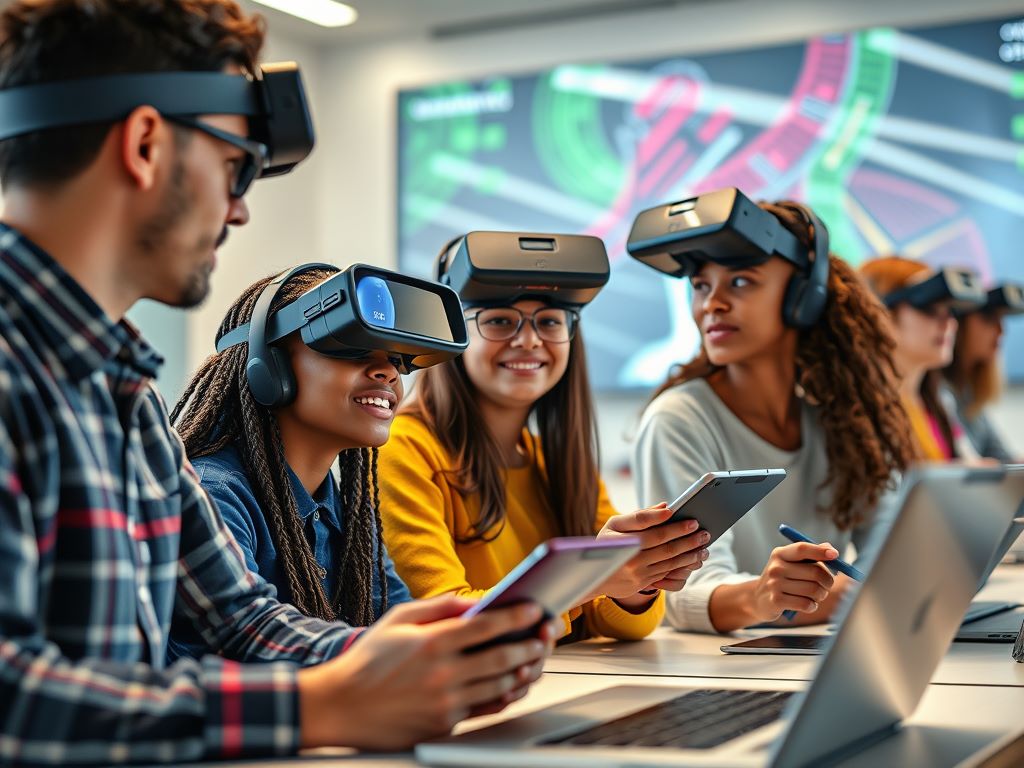
In 2025, the landscape of education is undergoing a transformation, blending cutting-edge technology with traditional teaching methods. This innovative approach aims to create a holistic learning experience that caters to the diverse needs of students. By integrating personalized learning, virtual classrooms, and immersive technologies, education is becoming more accessible, engaging, and effective. Let’s explore how this fusion is shaping the future of education and its impact on students, educators, and society as a whole.
The Future of Education: Blending Technology and Traditional Methods
The landscape of education is continuously evolving, and the integration of technology has brought about significant changes. However, balancing technological advancements with traditional teaching methods can create a more holistic learning experience. Here are some ways this blend is shaping the future of education:
1. Personalized Learning
- Adaptive Learning Systems: AI-driven platforms like DreamBox and Knewton provide personalized learning experiences by analyzing students’ strengths and weaknesses, adjusting the content and pace to suit individual needs.
- Gamified Learning: Educational games and simulations make learning fun and engaging, reinforcing concepts through interactive activities.
2. Virtual Classrooms and Remote Learning
- Virtual Classrooms: Tools like Zoom and Microsoft Teams enable real-time interaction between teachers and students, facilitating online classes, discussions, and collaborative projects.
- Blended Learning: A hybrid approach that combines in-person teaching with online resources, allowing for flexibility and a richer learning experience.
3. Augmented Reality (AR) and Virtual Reality (VR)
- Immersive Learning: AR and VR provide students with immersive experiences, such as virtual field trips to historical sites or interactive science experiments, enhancing understanding and retention.
- Hands-On Practice: Medical and engineering students can practice procedures and simulations in a virtual environment, gaining practical skills without the risk.
4. Digital Literacy and Critical Thinking
- Coding and Programming: Integrating coding into the curriculum from an early age helps students develop problem-solving skills and prepares them for future careers.
- Critical Thinking: Encouraging students to evaluate information critically, especially in the age of digital media, fosters informed and independent thinkers.
5. Collaborative Learning
- Project-Based Learning: Students work together on real-world projects, developing teamwork and communication skills while applying their knowledge to solve practical problems.
- Global Classrooms: Technology connects students from different parts of the world, promoting cultural exchange and global perspectives.
6. Teacher Support and Professional Development
- Professional Development: Online courses and webinars provide teachers with continuous learning opportunities, helping them stay updated with the latest educational trends and technologies.
- AI Teaching Assistants: AI-powered assistants can help teachers with administrative tasks, grading, and providing additional support to students, allowing teachers to focus on personalized instruction.
This blend of technology and traditional methods in education not only enhances the learning experience but also prepares students for a rapidly changing world.
As we move forward into 2025, the integration of technology and traditional methods in education is creating a dynamic and enriched learning environment. This blend not only enhances accessibility and engagement but also equips students with the skills needed for a rapidly changing world. By embracing personalized and holistic approaches to education, we can foster a generation of well-rounded individuals prepared to tackle future challenges. Together, let’s continue to innovate and adapt, shaping an educational landscape that benefits all.
賦能學習:創新、參與、繁榮
在2025年,教育領域正經歷著一場變革,將尖端技術與傳統教學方法相結合。這種創新方法旨在創造一個迎合學生多樣需求的整體學習體驗。通過整合個性化學習、虛擬教室和沉浸式技術,教育變得更加可及、有趣和高效。讓我們來探討這種融合如何塑造教育的未來,以及其對學生、教育工作者和整個社會的影響。
教育的未來:融合技術與傳統方法
教育領域不斷發展,技術的整合帶來了顯著的變化。然而,平衡技術進步與傳統教學方法可以創造更全面的學習體驗。以下是這種融合正在如何塑造教育未來的一些方式:
1. 個性化學習
- 自適應學習系統: 像 DreamBox 和 Knewton 這樣的 AI 驅動平台通過分析學生的優勢和弱點,提供個性化學習體驗,調整內容和進度以適應個人需求。
- 遊戲化學習: 教育遊戲和模擬使學習變得有趣和吸引人,通過互動活動加強概念。
2. 虛擬教室和遠程學習
- 虛擬教室: 像 Zoom 和 Microsoft Teams 這樣的工具允許教師和學生之間進行實時互動,促進在線課程、討論和合作項目。
- 混合學習: 結合面對面教學與在線資源的混合方法,允許靈活性和更豐富的學習體驗。
3. 擴增實境 (AR) 和虛擬實境 (VR)
- 沉浸式學習: AR 和 VR 提供學生沉浸式體驗,例如虛擬實地考察歷史遺址或互動科學實驗,增強理解和記憶。
- 實踐操作: 醫學和工程學學生可以在虛擬環境中練習程序和模擬,無風險地獲得實踐技能。
4. 數位素養和批判性思維
- 編碼和程式設計: 從小學開始將編碼納入課程,有助於學生發展解決問題的能力,為未來的職業生涯做好準備。
- 批判性思維: 鼓勵學生在數字媒體時代批判性地評估信息,培養知情和獨立的思考者。
5. 協作學習
- 基於項目的學習: 學生共同完成現實世界的項目,發展團隊合作和溝通技能,同時應用他們的知識解決實際問題。
- 全球教室: 技術連接來自世界各地的學生,促進文化交流和全球視角。
6. 教師支持和專業發展
- 專業發展: 在線課程和網絡研討會為教師提供持續學習的機會,幫助他們了解最新的教育趨勢和技術。
- AI 教學助手: AI 驅動的助手可以幫助教師完成行政工作、評分和提供額外支持,使教師能專注於個性化教學。
這種在教育中融合技術與傳統方法的方式不僅提高了學習體驗,還為學生準備了一個快速變化的世界。
隨著我們邁向2025年,技術與傳統方法在教育中的整合正在創造一個充滿活力和豐富的學習環境。這種結合不僅提高了教育的可及性和吸引力,還使學生具備應對快速變化的世界所需的技能。通過採用個性化和整體教育方法,我們可以培養出一代全面發展的個體,準備迎接未來的挑戰。讓我們一起繼續創新和適應,塑造一個對所有人都有益的教育景觀。