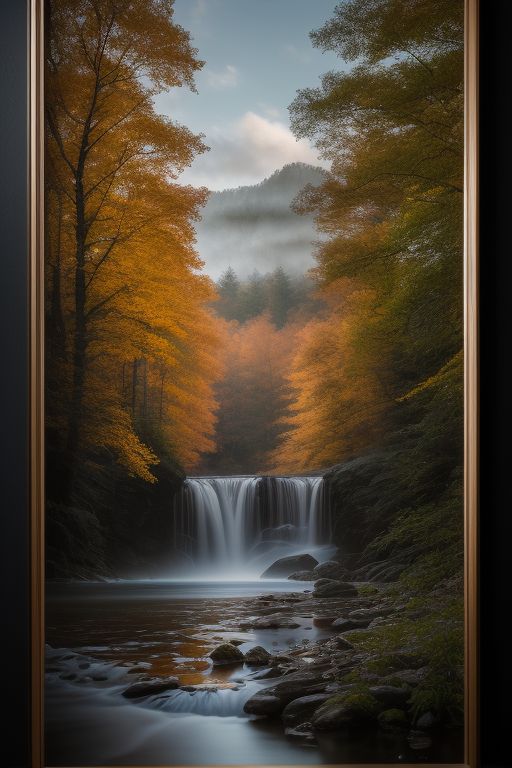
The intersection of artificial intelligence and art is leading to a creative revolution that is both exciting and transformative. AI-generated art is reshaping our understanding of creativity, as algorithms and neural networks produce stunning and unique visuals that challenge traditional notions of artistic authorship.
From generating intricate patterns inspired by the complexities of nature to mimicking the diverse styles of renowned artists throughout history, AI is pushing the boundaries of artistic expression in unprecedented ways. In this exploration, we delve into the fascinating world of AI-generated art, uncovering the complex technologies that drive this phenomenon, such as deep learning and generative adversarial networks (GANs).
We also investigate the diverse styles it can produce, ranging from hyper-realistic portraits to abstract interpretations, showcasing a spectrum of creativity that is incredibly varied. Furthermore, we consider its potential impact on the art community, sparking debates about originality, the role of the artist, and the future of artwork in a digital age that increasingly blurs the lines between human and machine creativity.
Let’s embark on this artistic journey together and discover how AI is radically transforming the canvas of creativity, inviting both artists and audiences to engage in a dialogue about the evolving landscape of art and technology.
How AI Generates Art
AI-generated art typically involves the use of neural networks, specifically Generative Adversarial Networks (GANs). GANs consist of two neural networks:
- Generator: Creates unique and diverse images based on random noise, utilizing complex algorithms and mathematical functions to transform the noise into visually appealing and sometimes abstract representations.
- Discriminator: Evaluates the images generated by the generator and distinguishes them from real images based on a complex set of features, ensuring a high level of accuracy in identifying discrepancies that may arise between synthetic and authentic visuals.
The generator improves its output by learning from the discriminator’s feedback, resulting in increasingly realistic and artistic images over time.
Types of AI-Generated Art
- Style Transfer:
- Combines the content of one image with the style of another, effectively merging the visual elements and creating a unique artistic representation that showcases the characteristics of both images in a harmonious way.
- Example: Turning a photograph into a beautiful painting inspired by the vibrant colors and expressive brushwork of Van Gogh or the bold lines and innovative techniques of Picasso, capturing the essence of the original image while giving it a unique artistic flair.
- Text-to-Image Generation:
- AI models generate images based on textual descriptions, allowing for the visualization of concepts and ideas that might not exist in the real world, thereby enhancing creative processes and innovation in various industries.
- Example: “A futuristic cityscape with flying cars soaring through the sky above, illuminated by vibrant neon lights and surrounded by towering skyscrapers” results in an image matching the description.
- Image Enhancement:
- AI enhances or modifies existing images by using advanced algorithms and techniques that improve image quality, enhance details, and apply various artistic styles or filters to create visually appealing results.
- Example: Upscaling low-resolution images or adding artistic filters to enhance the visual appeal and improve the overall quality of your photographs and graphics.
- Abstract and Surreal Art:
- AI generates abstract and surreal art pieces that push the boundaries of traditional art forms by incorporating complex algorithms and data inputs, leading to innovative visual experiences that can evoke deep emotional responses from the audience.
- Example: Creating dream-like landscapes or otherworldly scenes that transport viewers to a realm of imagination, filled with vibrant colors, surreal shapes, and fantastical elements that challenge the boundaries of reality.
Applications of AI-Generated Art
- Creative Industries:
- Artists and designers use AI to create unique and innovative artworks, graphics, and designs that push the boundaries of creativity, enabling them to explore new styles, techniques, and mediums while enhancing their artistic process and expanding the possibilities of visual expression.
- Example: AI-generated album covers, digital art, and advertising campaigns that utilize advanced algorithms and machine learning techniques to create visually stunning and unique artworks that capture the essence of the subject matter.
- Entertainment:
- AI-generated art is used in video games, movies, and animations to create stunning visuals and special effects that captivate audiences, enhance storytelling, and improve the overall immersive experience, making them more engaging and memorable.
- Example: Creating realistic characters, detailed backgrounds, and fluid animations that enhance the storytelling experience.
- Personalization:
- AI-generated art not only allows for personalized content creation, such as customized avatars, posters, and digital gifts, but also enhances user engagement by enabling individuals to express their creativity and uniqueness through tailored visual representations that resonate with their personal experiences and preferences.
- Example: Creating personalized portraits or custom-designed merchandise that captures unique moments and reflects individual styles or preferences.
- Art Installations:
- Artists use AI-generated art in interactive installations and exhibitions, exploring the intersection of technology and creativity to engage audiences in profound, immersive experiences that challenge traditional notions of authorship and artistic expression.
- Example: Immersive art experiences where AI-generated visuals dynamically and creatively respond to visitors’ movements, creating a unique interaction that enhances the overall experience and engagement within the artistic environment.
Challenges and Ethical Considerations
- Copyright and Originality:
- Determining ownership and originality of AI-generated art can be complex, as it involves various legal, ethical, and creative implications that challenge traditional concepts of authorship and artistic value.
- Ethical concerns arise when AI uses existing artworks as training data without proper attribution, leading to questions about the exploitation of artists’ intellectual property and the potential for diminishing the value of original creations in an increasingly automated landscape.
- Bias in AI Models:
- AI models can inadvertently learn and replicate biases present in the training data, which can lead to unfair treatment or discrimination against certain groups, thereby impacting decision-making processes and overall outcomes in various real-world applications.
- Ensuring diversity and fairness in AI-generated art is crucial, as it not only reflects the varied perspectives of different cultures and backgrounds but also helps to address historical biases that have often been present in traditional art forms.
- Human-AI Collaboration:
- The role of the human artist in the creative process can vary significantly, depending on the medium, the project, and the individual’s personal style and philosophy towards art, exploration, and expression of emotions.
- Finding a balance between human creativity and AI assistance is important for meaningful artistic expression, as it allows artists to harness the unique strengths of both, creating a richer and more diverse artistic landscape that can resonate with audiences on a deeper level.
Future of AI-Generated Art
The future of AI-generated art is promising, with advancements in AI technology continuing to push the boundaries of creativity. As AI models become more sophisticated, we can expect even more innovative and awe-inspiring artworks that challenge our perceptions and definitions of art itself. The collaboration between human artists and AI will likely lead to new art forms and creative possibilities, blending traditional techniques with cutting-edge technology in ways we have yet to fully explore. This exciting synergy not only enriches the world of art and culture but also fosters a deeper dialogue about the nature of creativity, originality, and the role of the artist in an increasingly automated landscape. As these collaborations evolve, we may witness the emergence of entirely new genres that draw upon the strengths of both human intuition and machine precision, ultimately transforming not just the art world but also how audiences engage with and appreciate artistic expression.
As we conclude our exploration of AI-generated art, it’s evident that the fusion of technology and creativity is opening new avenues for artistic expression. The ability of AI to generate unique and compelling art pieces challenges our traditional notions of creativity and offers exciting possibilities for the future. Whether you’re an artist seeking inspiration, a technologist curious about the latest advancements, or simply a lover of art, AI-generated art invites us all to reimagine the boundaries of what is possible. This innovative approach not only enhances the artist’s toolkit but also encourages collaboration between human and machine, leading to groundbreaking results that were previously unimaginable. As we continue to innovate and collaborate, the canvas of tomorrow holds endless potential for artistic exploration, allowing us to experiment with new forms, techniques, and interactive experiences that resonate with diverse audiences. The journey ahead promises to be rich with discovery, as we embrace the challenges and opportunities presented by this evolving field.
 Ignite and Achieve