
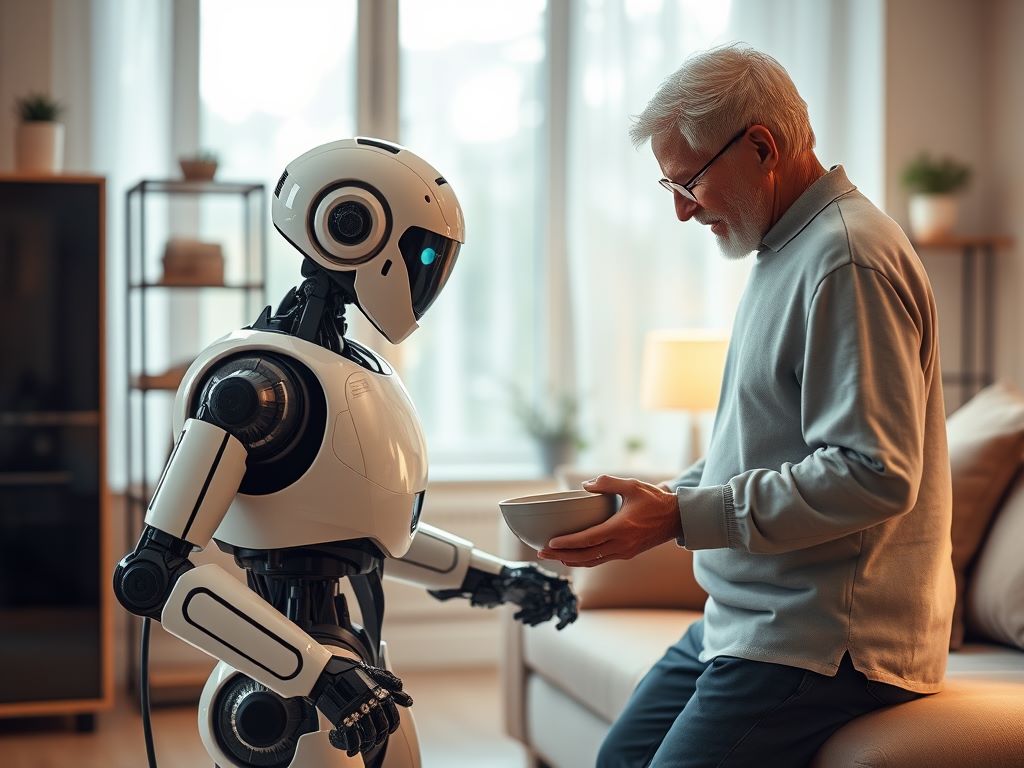
In a world where technological advancements are accelerating at an unprecedented pace, polyfunctional robots stand at the forefront of innovation, shaping the future in ways previously thought unimaginable. These versatile machines are revolutionizing industries by seamlessly integrating multiple capabilities, which range from performing household chores, such as cleaning and laundry, to assisting in complex medical procedures, such as surgical operations and patient monitoring.
Moreover, the adaptability of these robots enables them to learn from their experiences, enhancing their efficiency over time. Today, we delve into the fascinating realm of polyfunctional robots, exploring their key characteristics, diverse applications across sectors like agriculture, logistics, and healthcare, and the transformative impact they have on our daily lives, as they not only increase productivity but also improve the quality of life for individuals by allowing them more leisure time and reducing the burden of menial tasks.
Polyfunctional robots are transforming the landscape of automation and human-machine collaboration. These versatile machines are designed to perform multiple tasks across various domains, making them incredibly valuable in dynamic environments.
Their ability to adapt to different roles enables them to enhance productivity, reduce operational costs, and improve overall efficiency in industries ranging from manufacturing to healthcare. These robots are equipped with advanced sensors and artificial intelligence, allowing them to learn from their surroundings, make real-time decisions, and work alongside humans seamlessly. Here are some key aspects of polyfunctional robots: their scalability, user-friendly interfaces, and capacity for continuous improvement through machine learning techniques.
Key Characteristics of Polyfunctional Robots
- Multi-Tasking Abilities: These advanced robots can handle a variety of activities with remarkable efficiency, such as cleaning, cooking, and security surveillance, as well as managing home automation systems and providing companionship through interactive features.
- Adaptability: They can seamlessly switch between various roles with minimal human intervention, thanks to a combination of interchangeable tools, advanced technologies, and AI-driven decision-making processes that enable efficient response to changing circumstances and demands.
- Integration with AI: Machine learning algorithms enable them to learn, improve, and optimize their performance over time, allowing for more accurate predictions, enhanced decision-making capabilities, and the ability to adapt to new situations and challenges in real-time.
- Human-Like Interaction: Enhanced sensors and AI allow for intuitive communication, bridging the gap between humans and machines, enabling more natural dialogues, improving user experience, and fostering deeper connections through personalized responses and advanced learning from user behavior.
Applications
- Home Automation and Assistance: Modern homes benefit from advanced robotic systems that efficiently handle multiple household chores, such as cleaning, cooking, and elderly care, thus enhancing the quality of life for residents and providing valuable assistance in daily tasks, allowing for more leisure time and reducing the strain on family members who may otherwise need to take on these responsibilities.
- Healthcare: Polyfunctional robots contribute significantly to healthcare by performing intricate surgeries with precision, assisting in rehabilitation through targeted physical therapy exercises, and enabling telemedicine by facilitating remote consultations between healthcare professionals and patients, thus improving access to medical care and enhancing the overall efficiency of healthcare delivery systems.
- Education and Learning: These robots offer customized learning experiences, making education more interactive, engaging, and tailored to the needs of individual students. By utilizing innovative technologies, they enhance the learning process and ensure better retention of knowledge, ultimately fostering a more conducive atmosphere for academic growth and exploration.
Benefits
- Flexible Workforce: Polyfunctional robots create a flexible workforce adaptable to current needs, allowing businesses to respond swiftly to changes in demand and optimize their operational efficiency, which ultimately leads to improved productivity and reduced costs.
- Higher Robot Utility: Using the same robot for multiple tasks increases its overall utility significantly and allows organizations to leverage them for high-value activities, thereby maximizing efficiency and reducing operational costs in the long run.
- Stronger Human-Machine Collaboration: These robots are specifically designed to operate seamlessly in human environments, thereby enhancing collaboration, improving overall efficiency, and facilitating an effective partnership between humans and machines. They adapt to various tasks, allowing for a more productive interaction that maximizes results and minimizes effort.
Here are a few vivid examples of polyfunctional robots in action:
Home Automation
- Roomba Combo: This advanced version of the Roomba not only vacuums but also mops floors and uses UV light for disinfection. It can switch effortlessly between tasks seamlessly, making it a versatile home assistant that ensures your living space not only looks clean but also maintains a hygienic environment, catering to the demands of modern households.
- Moley Robotic Kitchen: This innovative robot can prepare meals by following intricate recipes, chopping various ingredients, cooking them to perfection, and even plating dishes in a visually appealing manner. It’s like having a personal chef at home, providing convenience and an exceptional culinary experience without the typical hassle of meal preparation.
Healthcare
- Da Vinci Surgical System: This advanced robot assists surgeons in performing intricate surgeries with unparalleled precision. It can also help in post-operative care and rehabilitation, significantly contributing to improved recovery times and outcomes for patients. The system enhances the surgeon’s capabilities, making complex procedures safer and more efficient.
- ReWalk Exoskeleton: This innovative and advanced wearable robot assists individuals with spinal cord injuries to regain the ability to walk again, thereby transforming their mobility. It not only supports essential physical therapy but also effectively tracks progress over time, providing users and caregivers with valuable insights into their rehabilitation journey.
Education
- Nao Robot: This humanoid robot is used in classrooms to provide engaging and interactive learning experiences specifically designed to enhance student involvement. It can teach various subjects, engage students in hands-on activities, and even assist with special education by adapting to the individual needs of learners, making it an invaluable tool for educators aiming to foster a more inclusive and dynamic learning environment.
- Pepper Robot: Designed specifically to interact with humans, Pepper can not only provide a wealth of information but also answer a wide range of questions and assist effectively in various educational settings. It adapts seamlessly to different roles, making the learning experience more interactive and engaging for users of all ages, which enhances the overall educational process and promotes a deeper understanding of the subject matter.
Polyfunctional robots are not just a futuristic vision; they are becoming integral to everyday life, as they seamlessly blend into various sectors such as healthcare, manufacturing, and home automation. These advanced machines are pushing boundaries by taking on multiple roles that traditionally required human intervention, thereby increasing overall efficiency and productivity. From assisting in surgical procedures with precision to automating tedious tasks in warehouses, their versatility is proving invaluable.
Moreover, they are significantly improving the quality of life by providing companionship to the elderly, enhancing safety in hazardous environments, and allowing individuals to focus on more creative and meaningful endeavors. As technology continues to evolve, the integration of polyfunctional robots into our daily routines will likely expand even further, revolutionizing the way we live and work.
As we have seen, polyfunctional robots are not just a glimpse into the future but a reality that is reshaping our world today. Their ability to adapt, learn, and perform a multitude of tasks makes them invaluable assets in various domains, significantly enhancing our daily lives.
From enhancing efficiency in healthcare to providing personalized learning experiences in education, these robots are paving the way for a more connected and intelligent future. In the realm of manufacturing, for example, they optimize production lines and reduce waste, illustrating their versatility across industries. Moreover, in home automation, they offer convenience and security, allowing us to focus on more creative pursuits while handling routine tasks seamlessly. As we continue to embrace and innovate these technologies, the possibilities are boundless, and the journey has just begun, promising advancements that could redefine the very fabric of society.
 Ignite and Achieve