
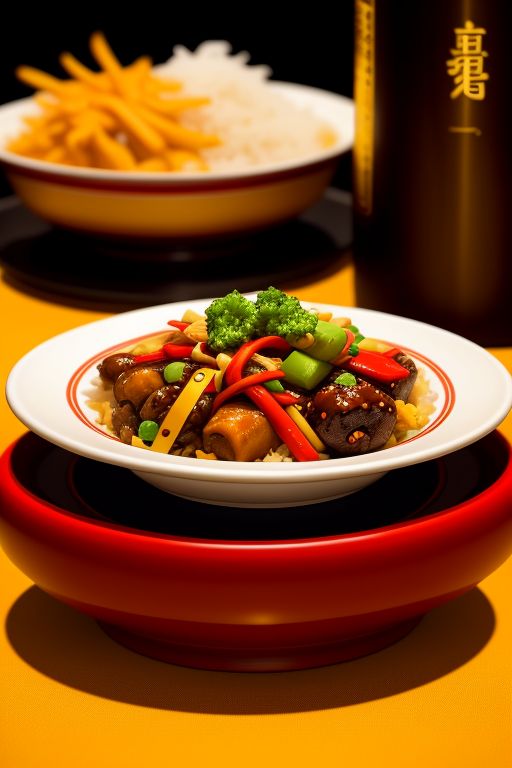
Principles of Chinese Medicinal Cuisine
- Balance of Qi and Body Fluids: The primary goal is to maintain a balance of qi (vital energy) and body fluids. Foods are categorized by their energetic properties—hot, warm, neutral, cool, and cold—to address imbalances caused by environmental factors or health conditions.
- Seasonal Eating: Different seasons require different dietary adjustments. For example, in hot weather, cooling foods are consumed to counteract excess yang, while in cold weather, warming foods are eaten to boost yang.
- Use of Medicinal Herbs: Healing herbs and animal parts are added to dishes to treat specific ailments. Common herbs include ginseng, goji berries, red dates, and ginger.
Common Ingredients and Their Benefits
- Ginseng: Boosts energy and reduces stress.
- Goji Berries: Rich in antioxidants, good for the immune system.
- Red Dates: Enhances blood circulation and improves skin health.
- Ginger: Aids digestion and has anti-inflammatory properties.
- Codonopsis Root: Supports the immune system and improves respiratory health.
Popular Chinese Herb Meals
- Four Herbs Soup (Sì Shén Tāng): This soup uses four medicinal herbs—dried fox nut barley, lotus seeds, Chinese yam, and poria cocos mushrooms—to strengthen the spleen, reduce dampness, and promote overall health.
- Traditional Chinese Herbal Soup: This soup often includes ingredients like dong quai (angelica root), Solomon’s seal, shiitake mushrooms, goji berries, red dates, and dried scallops. It’s known for its warming properties and ability to replenish blood and Qi.
- Goji Berry Chicken Soup: A popular dish that combines chicken with goji berries, red dates, and other herbs to boost the immune system and improve vitality.
Cultural Significance
Chinese herb meals are not just about nutrition; they are a holistic approach to health and well-being. Families often prepare these meals for loved ones to promote longevity and vitality. The practice of food therapy is passed down through generations, preserving traditional knowledge and cultural heritage.
Modern Applications
Today, Chinese medicinal cuisine is gaining popularity worldwide as people seek natural and holistic ways to maintain health. Restaurants and wellness centers offer specialized menus featuring these nutritious and flavorful dishes.
 Ignite and Achieve