
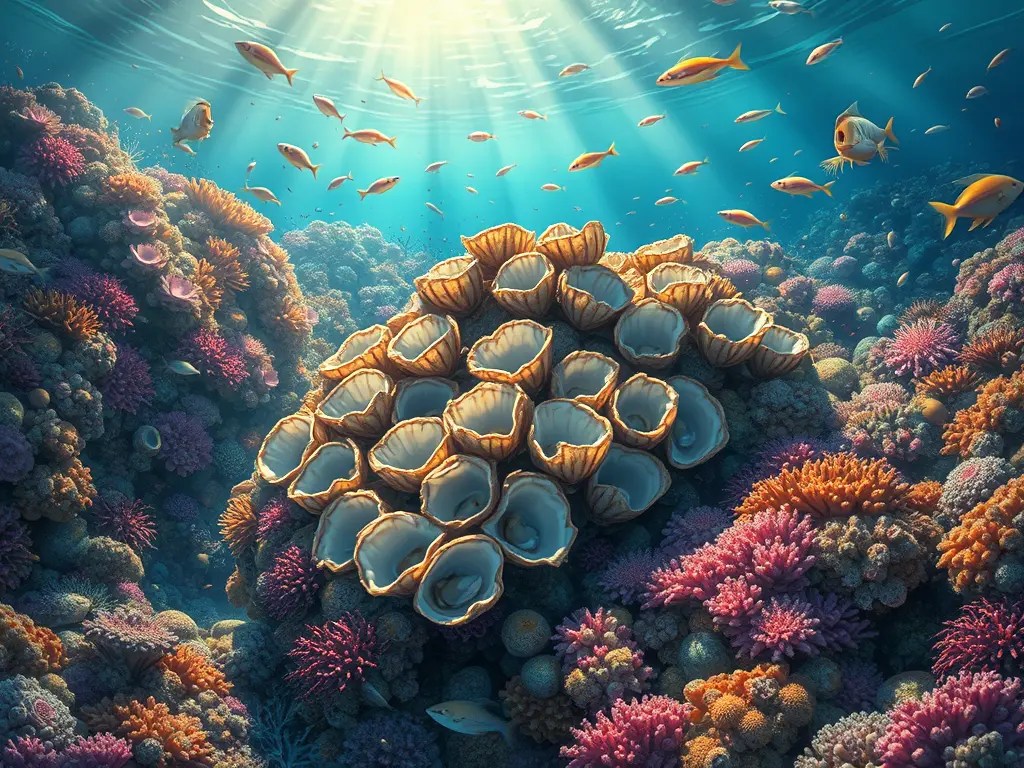
Oysters are not just animals; they are the unsung heroes of marine ecosystems, serving as powerful ecological engineers that are essential for the health and stability of our coastal environments. These fascinating creatures possess the unique ability to filter water, removing pollutants, sediments, and excess nutrients, thereby improving water quality and clarity. In doing so, they create a nurturing environment for a diverse array of marine life, from fish to corals, while simultaneously helping to stabilize shorelines and reduce coastal erosion.
Moreover, oyster reefs provide critical habitat for various species, serving as a natural barrier against storm surges and rising sea levels. Here’s a bold exploration of why oysters are absolutely crucial and why we should be paying attention to their plight in our oceans: the decline of oyster populations due to overfishing, pollution, and habitat destruction represents not just a loss of a species but a significant threat to the overall health of our marine ecosystems. By prioritizing their conservation and rehabilitation, we can restore the balance of our coastal waters and ensure a sustainable future for both marine life and human communities that rely on these vital resources.
1. Natural Water Filtration
Oysters are renowned for their ability to filter water. An adult oyster can filter up to 50 gallons of water daily, removing excess nutrients, sediments, and pollutants from the water column. This filtration process is crucial for maintaining a healthy aquatic ecosystem, as it helps to clear the water, allowing sunlight to penetrate deeper, which supports the growth of underwater plants. Additionally, by consuming phytoplankton and other organic matter, oysters contribute to the overall balance of the marine food web, making them vital players in their habitats. Not only do they improve water quality, but they also provide shelter and habitat for various marine organisms, fostering biodiversity and enhancing the resilience of coastal environments.
- Improves water clarity, enabling sunlight to penetrate deeper into the water. This supports the growth of aquatic vegetation, such as seagrass, which serves as a habitat for various marine species.
- Mitigates the harmful effects of nutrient overload, reducing occurrences of algal blooms that can deplete oxygen and create dead zones.
2. Habitat Creation
Oyster reefs provide essential habitat for a wide range of marine organisms, including fish, crabs, shrimp, and other invertebrates. The complex structure of reefs not only offers protection from predators but also creates various microhabitats that promote biodiversity. These structures facilitate the growth of algae and other microorganisms, which serve as food sources for numerous species. Furthermore, oyster reefs play a vital role in water filtration, improving the overall health of marine ecosystems. By stabilizing sediments and preventing erosion, they contribute to the resilience of coastal environments, fostering a thriving community of wildlife that relies on these underwater nurseries for survival.
- Offers shelter and protection for juvenile species.
- Enhances biodiversity by providing living spaces for numerous species.
In fact, oyster reefs are often likened to underwater coral reefs due to their ability to support rich and diverse ecosystems.
3. Coastal Protection
Oyster reefs act as natural barriers that help protect coastlines from erosion and storm surges. By absorbing and dissipating wave energy, these reefs play a crucial role in maintaining the stability of coastal ecosystems. The presence of oyster reefs not only mitigates the impact of powerful waves during storms but also promotes the growth of various marine species by providing habitat and shelter. Additionally, the filtration capabilities of oysters contribute to improved water quality, fostering a more diverse and thriving aquatic environment. As a result, these vital structures support both ecological balance and coastal resilience, highlighting their importance in the face of climate change and rising sea levels.
- Reduce the impact of storms and high tides on coastal areas.
- Safeguard habitats such as salt marshes and mangroves that are crucial for coastal resilience.
4. Nutrient Cycling and Sediment Stabilization
Oysters contribute to nutrient cycling within marine ecosystems. They consume plankton and other organic matter, converting these into waste that enriches the sediment. This process plays a vital role in maintaining the health of the ecosystem, as the waste produced by oysters is rich in nutrients, which not only enhances the nutrient availability for other marine species but also promotes the growth of essential microalgae. Additionally, by filtering large volumes of water, oysters help to improve water clarity and quality, thereby creating a more hospitable environment for various marine organisms. The presence of oysters can lead to increased biodiversity, as their reefs provide habitat and protection for numerous species, further underscoring their importance in marine ecological balance.
- Supports the growth of benthic organisms, which play an important role in food webs.
- Stabilizes sediments, reducing turbidity and preventing erosion.
5. Enhancing Biodiversity
The presence of oyster reefs boosts biodiversity by creating microhabitats for various species, which in turn supports a more complex and vibrant aquatic ecosystem. These reefs serve as breeding grounds, feeding areas, and protective environments for marine life, facilitating the growth and development of numerous fish, invertebrates, and other organisms that rely on these unique structures. Furthermore, the intricate architecture of oyster reefs contributes to increased water quality by filtering pollutants and excess nutrients, thereby enhancing the overall health of the marine environment. This ecological contribution not only supports overall ecosystem productivity and resilience but also plays a crucial role in maintaining the balance necessary for the survival of various marine species. In essence, the conservation and restoration of oyster reefs are vital for sustaining biodiversity and promoting a thriving marine ecosystem.
6. Mitigating Climate Change
Oysters have potential benefits in combating climate change and play a vital role in maintaining healthy marine ecosystems. Oyster reefs not only provide habitat for various species but also store carbon in their shells, a process known as calcium carbonate sequestration. Furthermore, these reefs can help buffer against coastal erosion and mitigate the impacts of storm surges, providing additional resilience to coastal communities. While this contribution is modest compared to other carbon sinks, such as forests and wetlands, it represents a significant and multifaceted environmental benefit that can enhance overall biodiversity and promote sustainable fisheries in our oceans.
7. Supporting Fisheries
Oysters are economically valuable and sustain fishing communities in a multitude of ways. Beyond their direct role as a food source, their reefs provide essential habitat that supports robust populations of commercially important fish and shellfish, thereby ensuring sustainable fisheries for future generations. These unique ecosystems not only contribute to local economies through fishing and tourism but also play a crucial role in maintaining water quality by filtering pollutants and reducing excess nutrients. By fostering biodiversity, oyster reefs enhance the resilience of marine environments, which can mitigate the impacts of climate change and habitat loss, offering a vital resource for communities reliant on these natural systems.
8. Cultural and Historical Significance
Oysters hold cultural, historical, and ecological importance for many coastal communities, serving not only as a vital food source but also as a symbol of tradition and resilience. Efforts to restore oyster reefs often include education and engagement programs, emphasizing their value in connecting people to marine conservation. These initiatives frequently involve local schools, community organizations, and environmental groups working together to raise awareness about the health of marine ecosystems. By showcasing the role oysters play in water filtration and habitat creation for various marine species, these programs foster a sense of stewardship among community members, encouraging them to actively participate in conservation efforts and sustainable practices that protect both the oysters and their coastal environments. Such collective actions not only strengthen the community bonds but also contribute to the overall preservation of marine biodiversity, showcasing the interdependence between people and the ocean.
Challenges Faced by Oysters
Despite their importance, oysters face significant threats, including:
- Overharvesting: Intensive harvesting has led to the depletion of oyster populations in many areas, putting immense pressure on local ecosystems and affecting the balance of marine life, as well as the livelihoods of those who depend on sustainable oyster farming for their income and nourishment.
- Pollution: Poor water quality, including runoff and chemical pollution, hampers oyster health and reproduction, leading to a decline in their populations and affecting the overall health of marine ecosystems. The presence of toxins in the water not only endangers oysters but also threatens other marine life, creating an imbalance in the aquatic food chain that can have far-reaching ecological consequences.
- Habitat Loss: Coastal development and dredging have destroyed natural oyster reefs, which serve as critical ecosystems for marine life, offering shelter and food for various species, thus resulting in significant biodiversity loss and disruption of the aquatic habitat.
- Climate Change: Rising sea temperatures and ocean acidification have a profound impact on oyster growth and survival, leading to decreased reproductive rates, altered habitat conditions, and increased susceptibility to diseases, which collectively threaten the sustainability of oyster populations essential for marine ecosystems.
Restoration Efforts
Recognizing the ecological importance of oysters, various restoration initiatives have been undertaken worldwide. Strategies include:
- Establishing oyster sanctuaries to protect and rebuild populations, ensuring the conservation of these vital marine ecosystems while promoting biodiversity and enhancing water quality in coastal environments.
- Constructing artificial reefs to facilitate natural recruitment in marine ecosystems, thereby enhancing biodiversity and providing essential habitats for a variety of fish and invertebrate species.
- Reducing pollutants and improving water quality to support oyster health, which is crucial for maintaining the balance of marine ecosystems and ensuring the sustainability of fishing industries that rely on oysters as a key resource.
- Educating communities on the significance of oyster conservation and its vital role in maintaining ecosystem balance, promoting biodiversity, and supporting local economies.
Successful restoration projects, such as those in the Chesapeake Bay, have demonstrated the potential for oysters to recover and thrive when given adequate support.
Conclusion
Oysters are indispensable to marine ecosystems, contributing significantly to environmental health, biodiversity, and coastal protection. These remarkable creatures serve as natural filters, improving water quality by removing pollutants and excess nutrients, which helps maintain a balanced aquatic environment. As keystone species, their survival directly influences the overall stability and productivity of marine environments, supporting a variety of other marine life that depend on them for habitat and nourishment. Furthermore, the complex structures formed by oyster reefs provide critical shelter for juvenile fish and invertebrates, promoting increased biodiversity. By addressing the myriad challenges they face, such as pollution, habitat loss, and climate change, and supporting restoration efforts through conservation programs and sustainable practices, we can ensure that oysters continue to play their vital role in maintaining the balance of marine ecosystems, ultimately benefiting both marine life and coastal communities that rely on healthy oceans.
 Ignite and Achieve