
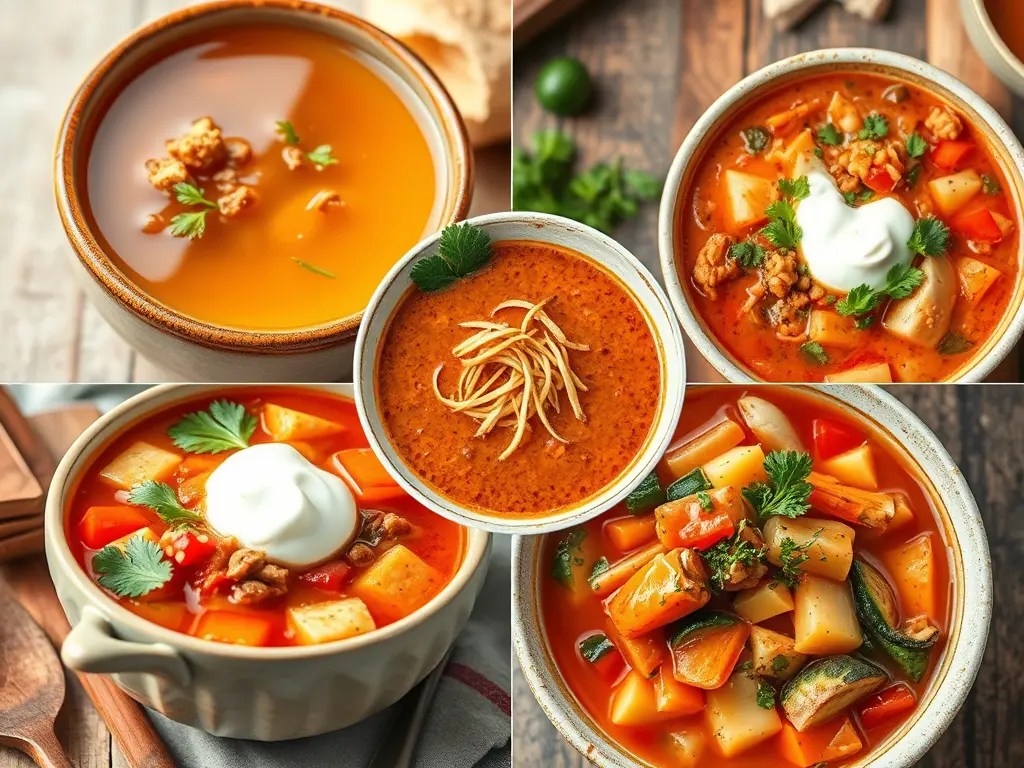
Soups have been an integral part of cultures worldwide, offering nourishment, warmth, and an explosion of flavors that reflect the traditions and ingredients unique to each region. These culinary creations not only satisfy hunger but also serve as a canvas for showcasing seasonal ingredients and local culinary practices. Whether served as a light starter or a hearty meal, soups blend history, nutrition, and creativity into a single bowl.
From the collagen-rich bone broths simmered for hours in East Asia to the spice-laden lentil stews of North Africa, each type carries its own distinct health benefits—supporting immunity, digestion, and overall wellness. Additionally, soups can be easily customized to accommodate various dietary preferences, whether they be vegetarian, vegan, or gluten-free. As we journey through the diverse world of soups, we uncover the rich tapestry of flavors and nutrients that make them a vital part of any balanced diet. Moreover, in many cultures, soup is often associated with comfort and healing, passed down through generations as a remedy for both physical ailments and emotional distress.
Broth-Based Soups
- Bone Broth (Various cultures) – Made by simmering animal bones for an extended period, this nourishing soup is not only rich in collagen, amino acids, and essential minerals like calcium and magnesium, but it also provides numerous health benefits that support joint health, enhance digestion, boost the immune system, and promote overall wellness, making it a staple in many traditional diets worldwide.
- Miso Soup (Japan) – Contains fermented soybean paste, seaweed, and tofu, providing probiotics for gut health, along with protein and essential minerals. This traditional Japanese dish is often enjoyed as an appetizer or alongside a main course, serving as a warming and comforting staple in Japanese cuisine. The rich umami flavor of miso adds depth to the broth, while the combination of ingredients can vary, often including green onions, mushrooms, or vegetables, enhancing its nutritional profile and taste.
Vegetable-Based Soups
- Borscht (Ukraine) – A beet-based soup packed with fiber, vitamin C, and antioxidants that support heart health and reduce inflammation, making it an essential component of traditional Ukrainian cuisine. This vibrant, hearty dish is often served hot with a dollop of sour cream and accompanied by dark rye bread, creating a delightful balance of flavors and textures that warms the soul.
- Minestrone (Italy) – A vegetable-heavy soup with beans and pasta, offering fiber, vitamins A and C, and plant-based protein for digestive and immune health. This hearty dish can vary in ingredients, often reflecting the seasonal produce available, making it a versatile option loved by many. Typically served warm, minestrone is not only comforting but also allows for creative variations, allowing cooks to incorporate different herbs and spices for an added flavor profile. Its rich taste and nutritious content make it a staple in Italian cuisine, enjoyed in homes and restaurants alike.
Protein-Rich Soups
- Chicken Soup (Global) – Often used as a remedy for colds, it provides a rich source of protein, electrolytes, and amino acids that support immune function, promoting recovery with its warmth and flavor, while also serving as a comforting dish during illness that can soothe the throat and provide hydration.
- Lentil Soup (Middle East, India) – High in plant-based protein, fiber, and iron, making it excellent for muscle health and energy levels. This hearty dish not only warms the soul but also provides a rich source of essential nutrients, making it a perfect choice for both vegetarians and meat lovers alike. Enjoyed across various cultures, lentil soup is often flavored with an array of spices and herbs, creating a delightful experience for the palate.
Legume-Based Soups
- Harira (Morocco) – A lentil and chickpea soup rich in fiber, protein, and iron, supporting digestion and blood health. Traditionally served during Ramadan, it is often enjoyed with dates and bread, making it a hearty meal that nourishes the body and warms the soul after fasting.
- Split Pea Soup (Europe, North America) – Contains fiber, protein, and potassium, which help regulate blood pressure and digestion, making it a heart-healthy option that can contribute to overall wellness. This nutritious soup is not only filling but also offers a rich, earthy flavor that can be enhanced with various herbs and spices, making it a versatile dish suitable for numerous culinary adaptations.
Spice-Infused Soups
- Tom Yum (Thailand) – A spicy and sour soup with shrimp, lemongrass, and lime, high in antioxidants and vitamin C for immune support. This aromatic soup is often enhanced with mushrooms, cilantro, and chili peppers, making it a favorite among those who enjoy a rich and flavorful dish. It’s commonly served with a side of jasmine rice to balance the intense flavors, creating a harmonious meal that is both satisfying and nourishing.
- Tortilla Soup (Mexico) – A delicious and hearty tomato-based soup, enriched with crispy fried tortilla strips, creamy avocado, and melted cheese, providing an excellent source of lycopene, healthy fats for heart health, and vitamin E, making it not only a comforting dish but also a nutritional powerhouse.
Seafood-Based Soups
- Bouillabaisse (France) – A traditional seafood stew renowned for its rich flavors, it combines various types of fish and shellfish, simmered with aromatic herbs and spices. This dish not only tantalizes the taste buds but also offers omega-3 fatty acids, which are beneficial for maintaining brain and heart health, making it a nutritious choice for seafood lovers.
- Chowder (USA) – A creamy seafood soup with potatoes, providing protein, calcium, and healthy fats. This hearty dish is often enriched with a variety of ingredients such as clams, shrimp, or fish, along with aromatic vegetables like onions and celery, creating a rich flavor profile that warms the soul. Served hot, it is a popular choice in coastal regions, especially during colder months, and is typically accompanied by crusty bread or crackers for an added texture.
Nut-Based Soups
- Egusi Soup (West Africa) – Made with ground melon seeds, vegetables, and meat, packed with protein, healthy fats, and essential vitamins. This traditional dish is often accompanied by pounded yam, fufu, or rice, providing a hearty and satisfying meal that showcases the rich flavors and culinary heritage of the region. The unique texture and taste of egusi, combined with the freshness of the vegetables, creates a deliciously nutritious option that is enjoyed by many across West Africa and beyond.
- Peanut Soup (Various regions) – A creamy soup with peanuts and sweet potatoes, offering vitamin E, fiber, and plant-based protein, making it not only delicious but also a wholesome choice for health-conscious individuals, perfect for both lunch and dinner.
Health Benefits of Soup
- Hydration – Soups contribute to daily fluid intake, helping maintain hydration levels in the body, which is crucial for overall health, digestion, and skin vitality.
- Weight Management – Low-calorie soups promote satiety and reduce overall calorie consumption by filling the stomach with nutritious ingredients while providing fewer calories than traditional meals. This makes them an excellent choice for those looking to manage their weight effectively, as they help curb hunger and prevent overeating throughout the day.
- Immune Support – Chicken soup has long been associated with fighting off colds and boosting immunity, providing warmth, hydration, and essential nutrients that help to alleviate symptoms and support overall health during illness.
- Digestive Health – Fermented soups like miso soup contain probiotics that support gut health. These beneficial microorganisms help balance the gut flora, which can enhance digestion, reduce bloating, and improve overall gastrointestinal function. Regular consumption of probiotic-rich foods is often linked to improved nutrient absorption and a stronger immune response.
Soups are more than just a meal—they are a reflection of tradition, nutrition, and comfort, bringing people together across cultures and generations. Whether a light broth infused with healing spices or a rich, protein-packed stew designed to sustain energy, soups offer a unique balance of taste and nourishment that delights the palate and warms the heart. Their ability to hydrate, support immunity, and aid digestion makes them a timeless staple in diets worldwide, cherished for their versatility and ease of preparation. From the simple yet flavorful miso soup of Japan to the hearty minestrone of Italy, the diverse varieties showcase not only local ingredients but also the intricate techniques passed down through generations. As we explore the rich variety of soups from different cultures, we gain insight into their powerful health benefits and the stories they carry—stories of families gathering around a shared pot or communities celebrating seasonal harvests. So, the next time you savor a bowl of soup, whether enjoyed alone or in company, remember—it’s not just food; it’s a connection to history, wellness, and warmth, a comforting embrace that transcends time and place.
 Ignite and Achieve
Leave a comment