
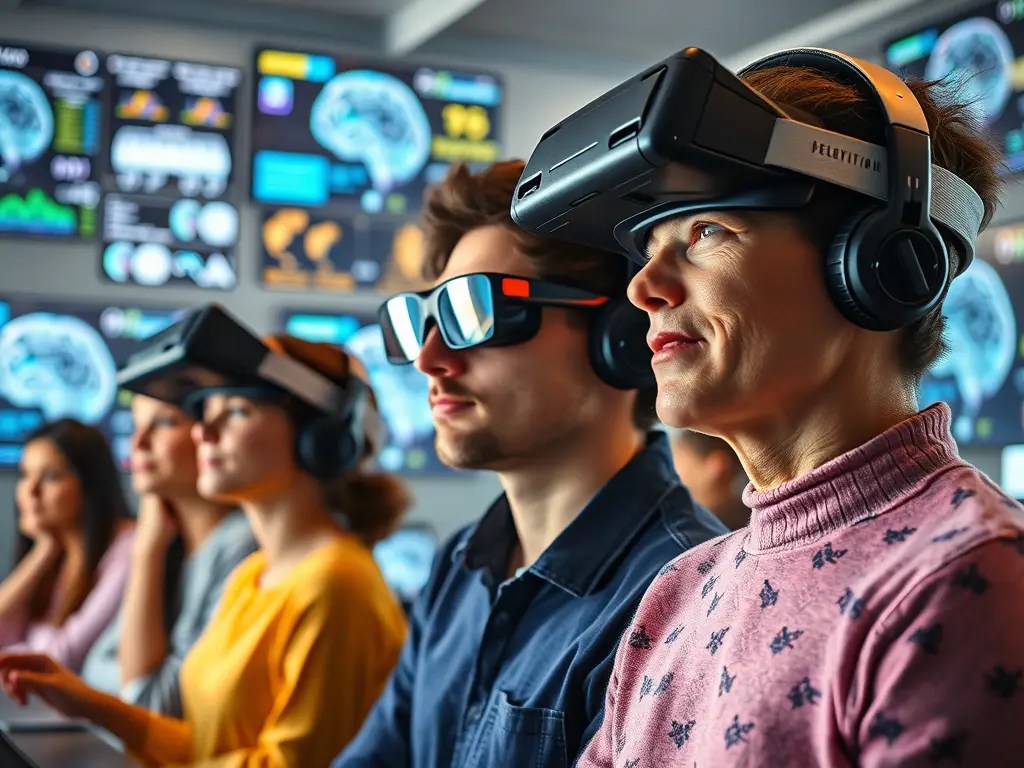
The future of brain training is poised to evolve dramatically as our understanding of neuroscience advances, alongside breakthroughs in technology and the increasing awareness of cognitive health. As the world grapples with challenges such as aging populations, mental health crises, and the need for peak cognitive performance in high-pressure environments, brain training will likely become an integral part of daily life for people of all ages. With the integration of personalized training programs powered by artificial intelligence, individuals will be able to target their specific cognitive weaknesses more effectively. Furthermore, the incorporation of virtual reality and gamification elements will make brain training not only more engaging but also accessible to a wider audience. As society continues to prioritize mental fitness alongside physical health, we can anticipate innovative tools and methodologies emerging to enhance memory, focus, and overall cognitive flexibility. Through these advancements, brain training may transform from a niche market into a ubiquitous aspect of wellness routines, shaping how we approach learning and mental endurance in our fast-paced world.
I. The Foundations of Brain Training
Before we dive into the future, it is essential to understand why brain training is gaining attention. Brain training encompasses activities and exercises designed to improve cognitive abilities, such as memory, attention, problem-solving, and emotional regulation. Traditionally, this includes puzzles, memory challenges, and mindfulness practices.
In the past, brain training was limited to educational tools like crossword puzzles or analog games. However, our ability to understand and influence the brain’s plasticity has ushered in a new era. Neural plasticity is the foundation of brain training—it’s the brain’s ability to reorganize itself by forming new connections. This ability allows individuals to adapt to new challenges, recover from injury, and delay the effects of aging.
II. Personalized and Adaptive Brain Training
One of the most significant developments in the future of brain training is personalization. No two brains are identical, and the “one-size-fits-all” approach is rapidly becoming outdated. With the integration of artificial intelligence (AI) and big data, brain training programs can now be tailored to the individual.
- AI-Driven Customization: AI algorithms will analyze a person’s cognitive strengths, weaknesses, and goals in real time. For example, wearable devices that monitor brain activity can provide continuous feedback on mental performance, tailoring exercises to target specific areas for improvement.
- Data-Driven Insights: Advanced analytics can process vast amounts of data to identify patterns in behavior, memory performance, and attention spans. This allows for hyper-personalized brain training programs that adapt dynamically as users progress.
- Real-World Integration: Future tools may seamlessly integrate brain training into daily life. For instance, smart home devices or augmented reality (AR) glasses could provide cognitive challenges during mundane tasks like commuting or cooking.
III. Gamification and Engagement
The gamification of brain training will continue to redefine how people interact with cognitive exercises. By making brain training engaging and enjoyable, individuals are more likely to stick to their routines.
- Immersive Virtual Reality (VR) Experiences: VR technology offers immersive environments where users can engage in cognitive challenges tailored to their needs. For example, solving puzzles in a simulated jungle or navigating a 3D maze can stimulate spatial memory while providing an exciting experience.
- Social Connectivity: Multiplayer brain training games will foster collaboration and competition. Social connections are vital for mental health, and engaging in cognitive activities with friends or family adds an extra layer of motivation.
- Reward Systems: Platforms may integrate reward systems where users earn points, badges, or even tangible benefits for completing challenges. This approach leverages behavioral psychology to encourage consistency.
IV. Neurotechnology: Enhancing Brain Training
The future of brain training is intrinsically tied to advancements in neurotechnology—tools that directly interface with the brain.
- Brain-Computer Interfaces (BCIs): BCIs will revolutionize how we engage with brain training. These devices can directly measure brain activity and provide precise feedback. For example, a BCI could detect when a user is struggling with a task and adjust the difficulty in real time.
- Neurofeedback Training: Neurofeedback allows users to “see” their brain activity on a screen and learn to self-regulate mental states, such as focus or relaxation. This approach is already used in therapy, but future consumer-grade devices will make it widely accessible.
- Non-Invasive Brain Stimulation: Techniques such as transcranial direct current stimulation (tDCS) or transcranial magnetic stimulation (TMS) are being explored to enhance learning and memory. These methods stimulate specific brain regions, making training more effective.
- Wearable Neurotech: Lightweight, non-invasive headbands or earbuds equipped with EEG sensors will monitor brain activity during daily activities, providing insights into mental performance and suggesting training exercises.
V. Age-Specific Approaches
As brain training evolves, it will cater more specifically to different life stages, recognizing the unique cognitive needs of each group.
- Children and Adolescents:
- Brain training for younger individuals will focus on developing foundational skills such as memory, attention, and emotional regulation.
- Tools like AR games that teach problem-solving or collaborative apps for critical thinking will become staples in education.
- Adults:
- For working professionals, brain training will center on enhancing productivity, multitasking, and stress management.
- Applications may integrate with work tools, offering micro-exercises during breaks or meetings.
- Seniors:
- Aging populations will benefit from brain training tailored to memory preservation and cognitive decline prevention.
- Cognitive rehabilitation programs using VR environments may help seniors recall personal memories or practice daily tasks in a safe, simulated space.
VI. Addressing Mental Health
Brain training will play a pivotal role in supporting mental health. Cognitive exercises are increasingly recognized for their therapeutic benefits, such as reducing anxiety, improving mood, and enhancing resilience.
- Mindfulness and Meditation Apps: Digital platforms will evolve to include interactive elements that guide users through mindfulness practices while providing real-time feedback on mental states.
- Therapeutic Brain Training: Future tools will integrate brain training with therapy. For instance, games designed to help individuals reframe negative thoughts or practice coping strategies for stress.
- Crisis Intervention: AI-based programs may detect early signs of mental health issues through patterns in user behavior and recommend interventions or support.
VII. The Role of Education and Workforce Development
Brain training will become a cornerstone of education and career development.
- Lifelong Learning: As industries evolve, individuals must continuously acquire new skills. Brain training will support adaptive learning, enhancing the ability to process new information efficiently.
- Corporate Wellness: Companies will integrate brain training into wellness programs to improve employee focus, decision-making, and collaboration. Virtual team-building exercises that challenge cognitive skills could replace traditional workshops.
- Educational Tools: Schools and universities will adopt brain training platforms to help students develop critical thinking, creativity, and emotional intelligence.
VIII. Ethical and Societal Implications
The rise of brain training raises important ethical considerations.
- Accessibility: While advanced brain training tools offer immense potential, ensuring equal access across socioeconomic groups is essential. Public initiatives and affordable platforms will be critical.
- Data Privacy: With devices monitoring brain activity, safeguarding personal data becomes a top priority. Ethical standards and regulations must evolve to protect users.
- Avoiding Over-Reliance: While brain training offers benefits, it’s important to maintain a balanced approach. Over-reliance on digital tools may detract from real-world interactions and experiences.
IX. A Vision for the Future
In the next decade, brain training will be seamlessly integrated into daily life. Imagine this scenario:
You wake up and put on a lightweight neurotech headset that monitors your brain activity. It detects that you didn’t sleep well, so it recommends a five-minute mindfulness exercise. As you commute to work, an AI-based app offers a quick memory challenge to boost focus for your morning meeting. During lunch, your smart glasses project an interactive puzzle that sharpens problem-solving skills. In the evening, a VR game provides an immersive environment for stress relief and creativity.
This vision represents a holistic approach to brain training—accessible, engaging, and deeply personalized.
Conclusion
The future of brain training is bright, driven by advancements in technology, neuroscience, and societal awareness of cognitive health. As brain training becomes more integrated into everyday life, it will empower individuals to reach their full potential, navigate challenges, and lead fulfilling lives. This evolution is supported by a growing body of research that highlights the importance of mental agility and cognitive flexibility in achieving personal and professional success. Innovative applications and platforms will emerge, providing tailored exercises designed to sharpen critical thinking, memory, and problem-solving skills. Furthermore, as our understanding of neuroplasticity expands, individuals will be encouraged to adopt lifelong learning practices that enhance their cognitive capabilities, ensuring that they remain competitive in an ever-changing world. By fostering a culture that prioritizes brain health, we can expect to see significant improvements in overall well-being, productivity, and quality of life across all age groups.
The key to this future lies in ensuring that brain training is not just a luxury for the privileged but a universal tool for personal growth and well-being. It is essential to create accessible programs that cater to diverse populations, empowering individuals from all walks of life to harness their cognitive potential. With thoughtful innovation and ethical implementation, brain training will transform how we care for our minds in the decades to come, leading to a society where mental fitness is prioritized just as much as physical health. This shift will not only enhance individual capacities but also foster a collective environment of shared knowledge and resilience, ultimately contributing to a more informed and empathetic world.
 Ignite and Achieve