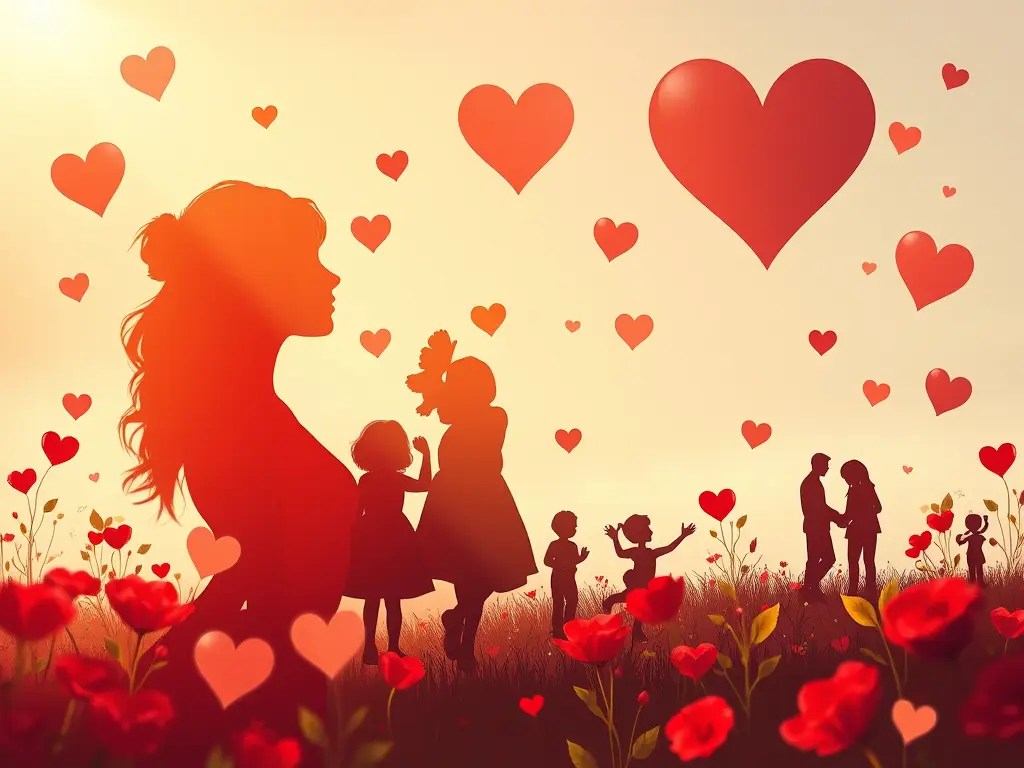
Love is a force that shapes lives, defines relationships, and evolves with time. It isn’t a single feeling—it’s an intricate blend of emotions, attachments, choices, and experiences that manifest in countless ways. From the passionate rush of romantic love that sparks at first sight to the steady warmth of companionship that develops through shared experiences, love encompasses a spectrum that includes the deep-rooted affection of family bonds and the platonic love found in friendships. Let’s explore love in depth, delving into its many forms, such as infatuation, unconditional love, and the complexities of love that often intertwine with pain and sacrifice, to how it transforms over time, adapting to new circumstances and challenges, ultimately enriching our lives and shaping our identities.
1. The Different Forms of Love
Love manifests in various ways, each carrying unique depth and significance. Here are some of the primary forms:
Romantic Love ❤️
This is the passionate, emotional, and sometimes overwhelming connection between partners. It often begins with attraction and infatuation, evolving into deep companionship and commitment.
- Eros (Passionate Love): Intense desire and physical attraction.
- Companionate Love: A stable and affectionate partnership, rooted in friendship.
- Unconditional Love: Loving someone without expectations or conditions.
Familial Love 💛
The unconditional love among family members—parents, siblings, children, and extended relatives. It’s shaped by nurture, lifelong connection, and shared experiences.
- Parental Love: Protective, nurturing, and deeply instinctual.
- Sibling Love: A mix of camaraderie, rivalry, and unconditional support.
- Generational Love: Grandparents passing wisdom and affection to future generations.
Friendship Love 💙
Platonic love forms the foundation of deep, meaningful friendships. Unlike romantic love, it thrives on trust, understanding, and shared experiences without physical attraction.
- Soulmate Friendships: Deep, irreplaceable connections that feel like family.
- Workplace Bonds: Camaraderie built through teamwork and shared struggles.
Self-Love 💚
Self-love is appreciating and respecting oneself—physically, mentally, and emotionally. It’s a foundation for confidence, growth, and happiness.
- Self-Care: Nurturing your well-being through actions and mindset.
- Self-Compassion: Forgiving yourself and embracing imperfections.
Universal Love (Compassionate Love) 💜
A love that extends beyond personal relationships—to humanity, animals, and nature.
- Altruistic Love: Helping others without expecting anything in return.
- Spiritual Love: A sense of connection to something greater, whether religious or philosophical.
2. Why Love Changes Over Time
Love is never static—it shifts, grows, and sometimes fades. Here’s why:
Life Experience & Maturity
As people grow, their understanding of love deepens.
- Young love often thrives on excitement and idealism.
- Mature love is built on trust, shared life experiences, and deeper emotional connection.
Shifting Priorities
At different life stages, priorities affect how love is expressed:
- Careers, responsibilities, and personal goals can alter relationship dynamics.
- Love adapts—whether through distance, growth, or evolving needs.
Challenges & Growth
Love faces hurdles—whether small misunderstandings or life-altering events.
- Some bonds strengthen through adversity.
- Others drift apart when values, ambitions, or personalities no longer align.
Personal Evolution
We change, and so does the way we love.
- As self-awareness grows, so do expectations and emotional intelligence.
- Some relationships evolve into deeper partnerships, while others naturally fade.
Biological & Emotional Shifts
Love is tied to biology—hormones and brain chemistry play a role:
- Early-stage romance is often fueled by dopamine and oxytocin (the bonding hormones).
- Over time, love can transition from intense passion to deep companionship.
3. The Psychology & Science of Love
Love isn’t just emotional—it’s wired into our brain, affecting how we think and feel.
Attachment Styles
Psychology classifies love and relationships into different attachment styles:
- Secure Attachment: Comfortable with intimacy and independence.
- Anxious Attachment: Constant need for reassurance and emotional validation.
- Avoidant Attachment: Struggles with deep connection, prefers distance.
Memory & Nostalgia
Love and memory are deeply linked—nostalgia can intensify emotions and shape how we remember relationships.
Hormones & Chemistry
The brain produces chemicals that influence love:
- Dopamine: Drives attraction and pleasure.
- Oxytocin: Strengthens bonding and emotional connection.
- Serotonin: Regulates emotional stability in love.
4. Love in Different Cultures & Eras
Love is shaped by society, traditions, and generational perspectives.
Cultural Influence on Love
- Western Love: Often prioritizes individuality, passion, and self-expression.
- Eastern Love: Can emphasize family duty, stability, and long-term commitment.
- Collective vs. Individual Love: Some societies focus on lifelong partnerships, while others encourage exploring relationships freely.
Love in the Digital Age
Technology changes how people experience love:
- Online Dating: Expands relationship opportunities beyond geographic limits.
- Long-Distance Relationships: Video calls and instant messaging help sustain love across distances.
- Social Media: Can enhance or complicate modern love stories.
5. The Complexity of Love & Its Paradoxes
Love is beautifully paradoxical—it can bring immense joy but also pain.
The Balance Between Security & Passion
- Passionate love burns intensely but may fade.
- Lasting love thrives on deep emotional connection and stability.
The Power & Fragility of Love
- Love can feel invincible, yet even the strongest relationships require effort to last.
- Growth, understanding, and mutual respect keep love alive.
Unrequited Love
- Not all love is reciprocated, but even one-sided love can teach deep lessons.
- Moving forward from love that isn’t returned is part of emotional growth.
6. Love & the Future—How It Continues to Evolve
Love is constantly changing. In the future, relationships may look different:
Artificial Intelligence & Relationships
- Emotional connections with AI? It may sound futuristic, but technology is shaping human interactions.
- Digital companions, long-distance communication, and AI-powered matchmaking may redefine love.
Changing Social Norms
- Future generations may approach love with new perspectives—less traditional constraints, more focus on personal fulfillment.
- Love will continue adapting to societal shifts.
Final Thoughts
Love isn’t just a feeling—it’s an experience, a commitment, a lesson that transcends the superficial connections we often encounter. It’s dynamic, personal, and intricately shaped by the people we meet, the choices we make, and the time we live in, making each instance of love uniquely our own. As we navigate the complexities of life, love can blossom in unexpected places, whether it’s in a fleeting glance, a shared laugh, or a lifelong partnership. This powerful emotion has the ability to alter our perspectives, influence our decisions, and heal wounds we didn’t even know existed. Whether fleeting or lifelong, love has the power to shape us in ways we never expected, leaving an indelible mark on our hearts and reminding us of our capacity for empathy and connection. Embracing love in all its forms can lead to profound growth, enriching our experiences and deepening our understanding of what it truly means to be human.
 Ignite and Achieve