
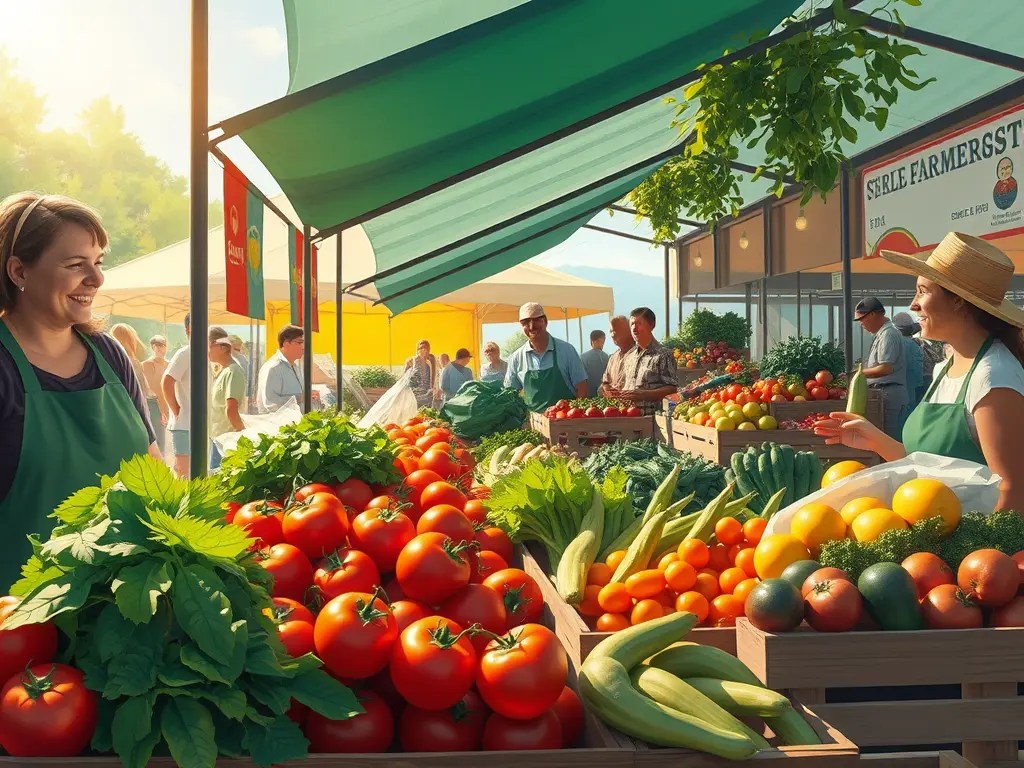
Choosing local and seasonal foods is a great way to support sustainability, enjoy fresher ingredients, and connect with your local community. The benefits of this practice extend beyond individual preferences; it helps reduce transportation emissions, conserves energy, and encourages biodiversity by promoting diverse crops. Additionally, sourcing food from local farmers fosters economic growth within the community, creating jobs and supporting family-run businesses. By embracing seasonal produce, we not only experience a more vibrant array of flavors but also develop a deeper appreciation for the changing seasons and the rhythms of nature. Let’s break this down and explore all aspects in depth:
1. Environmental Benefits
- Reduces the carbon footprint associated with transportation by decreasing reliance on fossil fuels, promoting the use of public transit options, and encouraging cycling and walking as sustainable alternatives.
- Supports biodiversity and local ecosystems by promoting a diverse range of species, enhancing habitat connectivity, and fostering the natural balance of the local environment.
- Requires fewer preservatives and artificial enhancements, making it a healthier choice for consumers who are mindful of their dietary intake and prefer natural ingredients in their foods.
- Encourages sustainable farming practices by promoting techniques that minimize environmental impact, preserve soil health, and enhance biodiversity while ensuring food security for future generations.
- Helps conserve water by significantly reducing reliance on industrial agriculture practices, which are often responsible for excessive water consumption and depletion of natural water resources.
2. Health and Nutritional Value
- Seasonal foods often have higher nutritional content, which can contribute to improved overall health and well-being, ensuring that we consume fresh, flavorful ingredients that are in their prime.
- They’re fresher, meaning better taste and fewer chemicals, which contributes to an overall healthier eating experience and promotes well-being.
- Eating seasonally provides a natural variety in your diet, ensuring that you enjoy the freshest produce available throughout the year, which can enhance both the flavor and nutritional value of your meals.
- Reduces exposure to pesticides and artificial ripening agents, thereby promoting a healthier diet that is less dependent on potentially harmful chemicals while supporting the consumption of more natural and organic produce options.
- Supports gut health with diverse nutrients throughout the year, providing essential vitamins and minerals that contribute to overall digestive wellness, balance in gut flora, and enhance nutrient absorption for better overall health outcomes.
3. Economic Impact
- Supports local farmers and food producers by prioritizing their products in our offerings and actively promoting sustainable agricultural practices that benefit the community and environment.
- Strengthens local economies by keeping money within the community, which in turn fosters a sense of belonging and mutual support among residents while encouraging the growth of local businesses and services that cater specifically to the needs and preferences of the community.
- Seasonal food is often cheaper since it’s more abundant, which means that local farmers can supply it in greater quantities, resulting in lower prices for consumers and promoting a sustainable agricultural cycle.
- Reduces dependency on imported goods, thereby leading to a stabilization of local food markets, which can enhance food security and promote regional agricultural growth.
- Encourages job creation in agriculture and food-related industries, thereby supporting local economies, enhancing food security, and promoting sustainable practices within the sector.
4. Cultural and Culinary Experience
- Encourages exploration of traditional and local dishes, inviting individuals to experience the rich culinary heritage of the region and appreciate the diverse ingredients and methods that have been passed down through generations.
- Allows for creativity in cooking as foods change with seasons, encouraging the exploration of new recipes and techniques that highlight the unique flavors and ingredients available at different times of the year.
- Preserves food heritage and culinary diversity, ensuring that traditional recipes and cooking methods are passed down through generations while celebrating regional flavors and local ingredients.
- Connects people to their cultural roots through food traditions, celebrating the diverse culinary practices that have been passed down through generations and fostering a deeper appreciation for the flavors and techniques that define each culture.
- Inspires unique and innovative farm-to-table dining experiences that highlight the connection between local farmers and fresh, seasonal ingredients.
5. How to Embrace Seasonal Eating
- Visit farmers’ markets regularly or consider joining a community-supported agriculture (CSA) program, where you can receive fresh, seasonal produce directly from local farms, gaining a deeper connection to the food you consume and supporting sustainable agricultural practices in your community.
- Learn to store and preserve seasonal foods for later use by exploring various methods such as canning, freezing, and dehydrating, ensuring that your pantry is well-stocked with nutritious ingredients throughout the year.
- Be aware of seasonal food charts for your region, as they can provide valuable insights and help you make informed choices about purchasing fresh produce. These charts typically outline which fruits and vegetables are in season, allowing you to enjoy the best flavors while supporting local farmers and minimizing the environmental impact of food transportation.
- Experiment with new, creative recipes using fresh, seasonal, and local ingredients sourced from nearby farms or markets, enhancing both flavor and sustainability.
- Support restaurants that prioritize seasonal and locally sourced menus, as they not only contribute to the local economy but also offer fresher and more flavorful dishes, connecting diners with the region’s unique agricultural offerings and fostering sustainability in our food systems.
Final Thoughts
Choosing local and seasonal foods isn’t just a dietary choice—it’s a lifestyle that benefits your health, your community, and the planet. By embracing fresh, seasonal ingredients, you’re supporting local farmers, reducing environmental impact, and enjoying food at its peak nutritional value.
Beyond sustainability, seasonal eating connects us to tradition, inspires culinary creativity, and strengthens local economies. Whether it’s vibrant summer fruits or hearty winter vegetables, each season brings a new opportunity to explore flavors, improve well-being, and make conscious, impactful choices.
So, next time you plan a meal, think local, think seasonal, and savor the difference! 🍽️
 Ignite and Achieve