
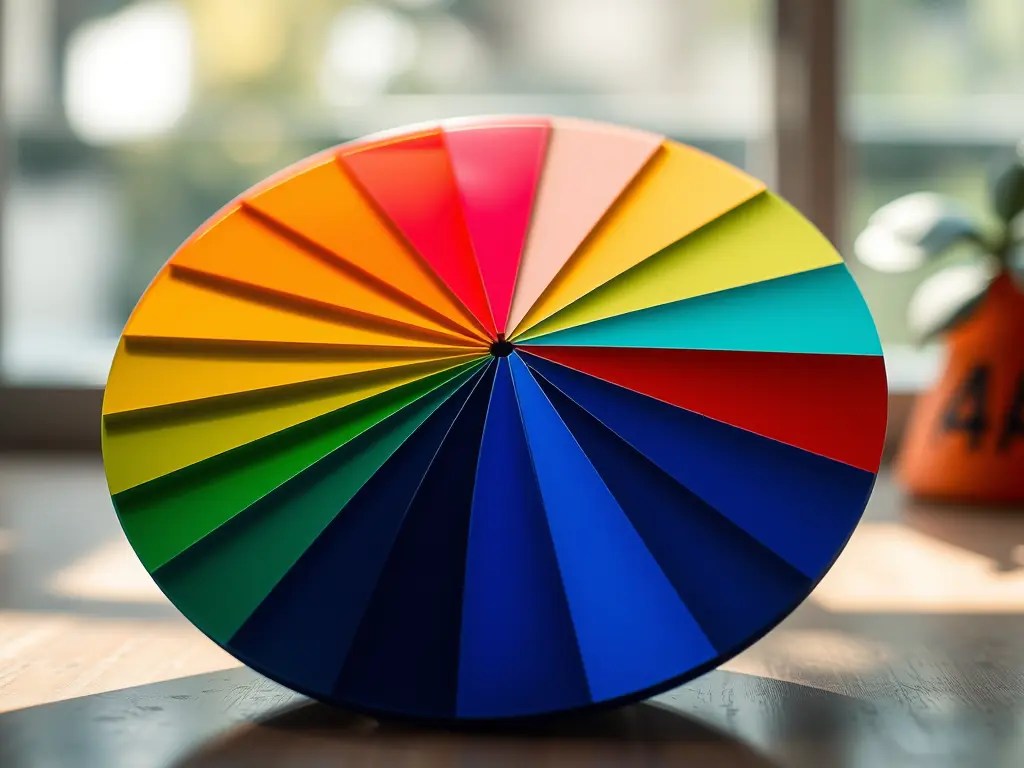
Live in Full Color: Embracing Every Hue of Life
Colors are an integral part of human experience, shaping emotions, influencing perceptions, and conveying cultural significance. The relationship between colors and life extends beyond aesthetics, touching psychology, creativity, identity, and even cognitive functions. Different colors elicit diverse emotional responses; for example, warm hues like red and orange can inspire feelings of warmth and energy, while cool tones such as blue and green often evoke calmness and tranquility. The significance of colors varies across cultures, adding another layer of complexity to their influence. By understanding their impact, we can harness color to enrich our surroundings, improve our well-being, and enhance communication. Whether it’s through the choice of paint in our homes, the attire we select, or the design of marketing materials, color plays a crucial role in shaping our interactions with the world.
Psychological Influence of Colors
Color psychology explores how different hues evoke emotional and behavioral responses:
- Red: A bold and dynamic color linked to passion, energy, and urgency. It stimulates excitement and can influence physical reactions, such as increasing heart rate.
- Blue: Known for its calming and serene effects, blue promotes relaxation, trust, and stability, making it a favored choice in environments designed to reduce stress.
- Yellow: A symbol of happiness and optimism. It can inspire creativity and uplift moods but, when overused, may lead to overstimulation.
- Green: Associated with nature, renewal, and balance. It fosters tranquility and is believed to enhance focus and productivity.
- Purple: Historically connected to wisdom, creativity, and introspection. It stimulates imagination and encourages thoughtful reflection.
- Orange: A vibrant hue evoking enthusiasm, warmth, and sociability. It is often associated with friendliness and energetic interactions.
- Black: Represents sophistication, power, and mystery. It conveys authority and elegance while also being linked to mourning in various cultural contexts.
- White: A color of purity, simplicity, and clarity. It creates a sense of cleanliness and spaciousness, often symbolizing new beginnings.
Cultural Significance of Colors
Colors hold distinct meanings across cultures, shaping traditions, rituals, and societal norms:
- Red: A symbol of celebration, prosperity, and good fortune in many cultures. It also represents love, passion, and intensity.
- Blue: Often associated with peace, wisdom, and reliability. In some traditions, it holds spiritual significance, representing immortality and divine protection.
- Yellow: A color of honor and royalty in various cultural contexts. In other societies, it is linked to caution or warning.
- Green: Represents growth, fertility, and harmony. It carries sacred connotations in certain religious practices and is widely connected to environmental consciousness.
- Purple: Historically linked to royalty and nobility due to the rarity of natural purple dyes. It continues to be associated with luxury and uniqueness.
- Black: Traditionally used in mourning rituals but also viewed as powerful and timeless in fashion and design.
- White: A color of purity and peace in some cultures, while in others, it symbolizes loss and remembrance.
The Role of Colors in Design and Expression
Colors shape spaces, evoke emotions, and influence interactions in various forms of design and personal expression:
- Interior Spaces: The use of color can define ambiance. Warmer tones create a cozy atmosphere, while cooler hues promote relaxation and openness.
- Personal Style: Clothing choices often reflect individual moods and personalities. Dark colors convey sophistication, while bright hues express energy and optimism.
- Art and Creativity: Colors play a crucial role in artistic storytelling, influencing composition, mood, and visual impact. Artists use color to convey emotions and spark imagination.
- Communication and Symbolism: Colors serve as powerful symbols in literature, design, and everyday interactions, shaping how messages are perceived.
Emotional and Therapeutic Effects of Colors
- Mood Enhancement: Exposure to certain colors can uplift spirits and encourage positive emotions. Natural greens and blues promote relaxation and calmness, creating a sense of tranquility in various environments, while yellows and oranges inspire motivation and energy, often invigorating the space and stimulating creativity in those who experience them.
- Healing Practices: Color therapy, or chromotherapy, utilizes hues to support mental and physical well-being—blue for calmness, red for vitality, green for balance, as well as yellow for optimism, purple for spiritual awareness, and orange for creativity, creating a vibrant spectrum that can cater to various emotional and physical needs.
- Light Therapy: Bright white or blue light is used to treat Seasonal Affective Disorder (SAD), alleviating symptoms of depression during darker months. This form of therapy typically involves sitting near a light therapy box that emits specific wavelengths of light found to be effective in influencing mood changes, helping to reset the body’s internal clock and improve overall emotional well-being for those affected by the seasonal variations. Users often engage in sessions lasting around 20 to 30 minutes daily, especially in the early morning, to optimize the therapeutic benefits and reduce feelings of lethargy, irritability, and hopelessness often associated with SAD.
Color Preferences and Personality
- Personal Inclinations: An individual’s preferred colors can offer insightful glimpses into their personality traits. Those drawn to bold, energetic hues often exude confidence and enthusiasm, frequently appearing more outgoing, vibrant, and dynamic in social situations. Conversely, those who gravitate towards softer, pastel colors may indicate a deeper sense of thoughtfulness and introspection, often reflecting a calm and serene nature. Their color choices can subtly communicate their inner feelings and values, shaping how they perceive the world around them and how they relate to others in personal and professional contexts.
- Psychological Analysis: Studies suggest that color choices can reveal emotional states, with certain assessments analyzing preferences to gauge underlying feelings and attitudes, providing valuable insights into an individual’s personality traits, mood fluctuations, and even potential mental health issues that may require attention or intervention.
Colors in Memory and Cognition
- Enhancing Recall: Research indicates that bright, contrasting colors aid memory retention, making information more memorable and engaging. This technique not only facilitates learning but also enhances the overall experience by allowing individuals to better connect with and recall the material presented.
- Educational Applications: Color-coded study materials improve comprehension, facilitating a more engaging learning experience, while helping learners systematically organize and retain key concepts effectively, which can ultimately enhance their overall academic performance and understanding of the subject matter.
Conclusion
Colors profoundly shape our emotions, cultural identities, and environments. Whether used in creative expression, healing practices, or daily interactions, color remains a vital force in human experience. Each hue carries its own psychological weight; for instance, warm colors like red and orange evoke feelings of warmth and energy, while cool colors like blue and green can instill calmness and peace. By understanding its nuances, we can intentionally integrate color into our lives to enhance mood, deepen connections, and embrace every hue of existence. This deliberate choice of colors can transform not only our personal spaces, but also influence our interactions with others, creating a vibrant tapestry that reflects the diversity of our experiences and emotions. Through color, we can communicate feelings that words sometimes fail to express, bridging gaps and fostering understanding in our complex world.

 Ignite and Achieve