
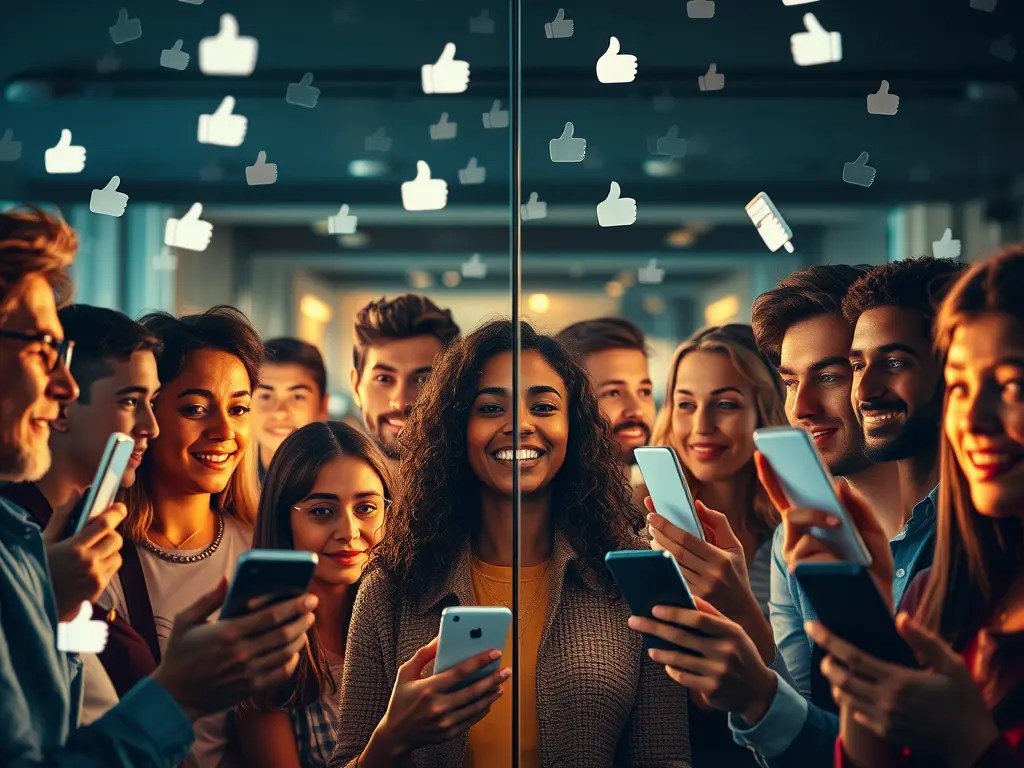
The Digital Mirror: How Social Media Shapes Identity & Relationships
Social media has transformed the way we express ourselves, connect with others, and perceive our own identities. It serves as both a platform for self-expression and a tool for social validation, influencing how individuals shape their personal and social identities. As we share our thoughts, images, and experiences online, we not only communicate with friends and family but also curate a digital persona that reflects our aspirations and values. This intricate blend of authenticity and performance shapes our interactions and can even define our online presence. However, while it fosters connectivity and community, it also introduces challenges like comparison culture, digital personas, and relationship dynamics. Users often find themselves grappling with feelings of inadequacy as they compare their lives to the idealized images presented by others. Furthermore, the nature of online interactions can complicate real-life relationships, creating misunderstandings and sometimes leading to conflicts, as the nuances of face-to-face communication are often lost in digital channels.
Let’s dive into the psychological, sociological, and emotional impact of social media on identity and relationships.
1. Identity Formation in the Digital Age
Social media acts as a digital mirror, reflecting how individuals see themselves and how they want to be perceived. According to research, adolescents and young adults use social media to construct their identities, engaging in self-presentation, social comparison, and role exploration.
Key Influences on Identity:
✅ Self-Presentation: Users curate their profiles to reflect their ideal selves, often shaping their real-world behaviors to match their online personas. ✅ Social Comparison: Constant exposure to idealized images can lead to self-doubt, anxiety, and unrealistic expectations. ✅ Role Models & Influencers: Online figures shape aspirations, values, and behaviors, sometimes reinforcing harmful beauty standards or unrealistic lifestyles.
While social media allows for self-exploration, offering individuals a platform to express their thoughts, feelings, and identities more freely than ever before, it can also create pressure to conform to digital norms, affecting self-esteem and authenticity. Users often find themselves curating their online personas to fit the expectations set by influencers and trends, which can lead to a dissonance between their real lives and their online representations. This constant comparison to others can result in feelings of inadequacy, as many may feel they need to live up to an idealized version of reality. Furthermore, the algorithms that prioritize certain types of content amplify this pressure, perpetuating a cycle where self-worth is tied to the validation received through likes and comments. As a result, the journey of self-discovery can become complicated by the desire for acceptance, leading to an inner conflict between genuine self-expression and the fear of rejection in a hyper-connected world.
2. The Psychology of Digital Relationships
Social media has redefined relationships, making it easier to stay connected but also introducing new complexities.
Positive Impacts:
💙 Global Connectivity: Social media bridges distances, allowing people to maintain relationships across borders. 💬 Instant Communication: Messaging apps and video calls enhance real-time interactions. 👥 Community Building: Online groups provide support networks for shared interests, mental health, and activism.
Negative Impacts:
💔 Superficial Interactions: Digital connections can lack depth, leading to weaker emotional bonds. 📱 Relationship Strain: Excessive social media use can cause jealousy, miscommunication, and unrealistic expectations in romantic relationships. 🔄 Echo Chambers: Algorithms reinforce existing beliefs, limiting exposure to diverse perspectives.
Balancing online and offline interactions is crucial for maintaining healthy, meaningful relationships.
3. The Influence of Social Media on Self-Concept
Social media doesn’t just reflect identity—it shapes it. Studies show that constant exposure to curated content can alter self-perception, leading to self-esteem fluctuations and identity confusion.
How Social Media Alters Self-Concept:
🔄 Validation Culture: Likes, comments, and shares become metrics of self-worth, affecting confidence. 🎭 Digital Personas: Many users present idealized versions of themselves, creating a gap between online and real-life identity. 🧠 Mental Health Effects: Excessive social media use is linked to anxiety, depression, and body image issues.
To maintain a healthy self-concept, it’s important to engage authentically and avoid excessive comparison.
4. Navigating Social Media Mindfully
To harness the positive aspects of social media while avoiding its pitfalls, consider these strategies:
✅ Curate Your Feed: Follow accounts that inspire and uplift rather than trigger comparison. ✅ Limit Screen Time: Set boundaries to prevent digital overload and prioritize real-world interactions. ✅ Engage Authentically: Share content that reflects your true self rather than seeking validation. ✅ Diversify Perspectives: Follow diverse voices to expand understanding beyond algorithm-driven echo chambers.
Social media is a powerful tool, but its impact depends on how we use it in our daily lives. By fostering self-awareness and intentional engagement, we can not only shape a healthier digital identity but also develop a deeper understanding of our online presence and its effects on our mental well-being. This mindful approach allows us to curate our feeds thoughtfully, ultimately leading to a more positive and enriching social media experience. When we prioritize meaningful interactions over superficial ones, we can build stronger relationships with others, creating a supportive community that benefits everyone involved. In this way, we can harness the full potential of social media while minimizing its drawbacks.

 Ignite and Achieve