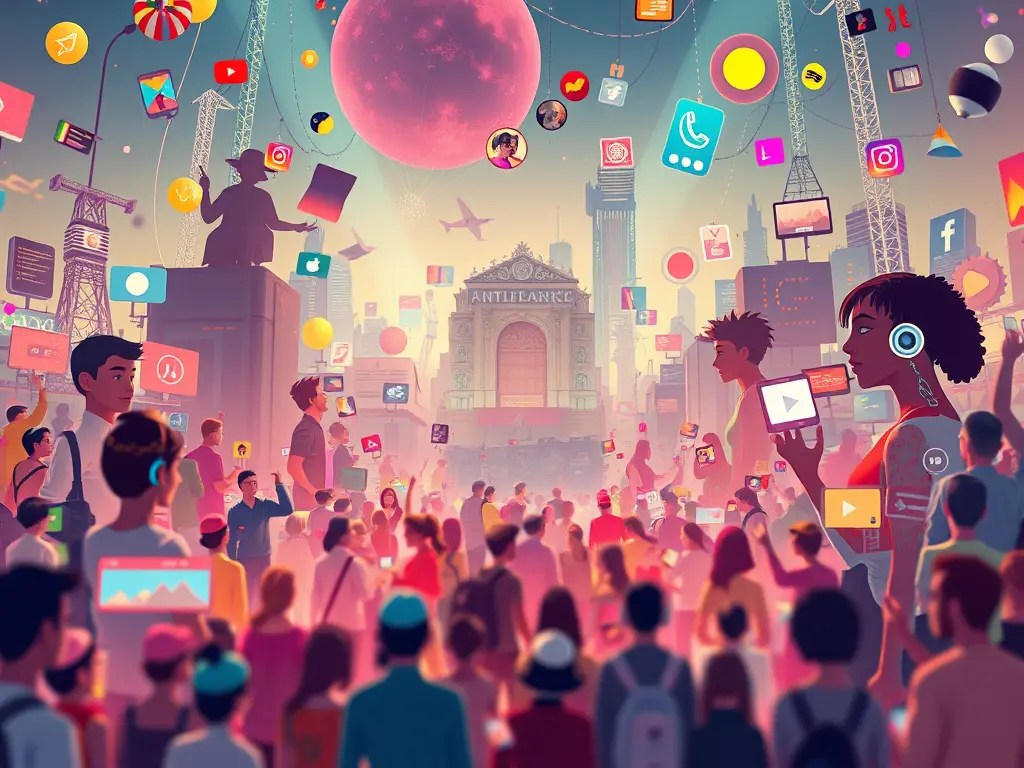
The cultural landscape of 2025 is undergoing a dynamic transformation, driven by digital communities, AI-generated creativity, immersive entertainment, and evolving social movements. As virtual spaces, creator economies, and nostalgia-driven content reshape global trends, people are redefining how they interact, express themselves, and consume media. The second half of 2025 will see a fusion of technology, tradition, and innovation, influencing everything from art, fashion, and entertainment to social identity and global connectivity.
The second half of 2025 is set to bring fascinating cultural shifts, shaped by evolving social dynamics, technological advancements, and global events. Here are some key trends expected to define the cultural landscape:
1. The Rise of the Creator Economy
- More individuals are turning to content creation as a full-time career, leveraging platforms like TikTok, YouTube, and Twitch, as they seek to share their unique talents, connect with audiences globally, and often find financial independence by building sustainable brand partnerships and generating income through various monetization strategies.
- Micro-influencers are gaining traction, with brands prioritizing engagement over follower count. This shift signifies a move towards more authentic connections and interactions, suggesting that companies are increasingly aware of the value that comes from fostering genuine relationships with their audience through these influential individuals.
- AI-generated content is becoming more mainstream, blurring the lines between human and machine creativity, and its influence can be seen across various industries including entertainment, journalism, and marketing, raising important questions about originality and authorship in the digital age.
2. Digital Communities & Virtual Spaces
- Online communities are evolving beyond traditional social media platforms, with immersive virtual spaces offering innovative and unique ways to connect, share experiences, and engage with one another in meaningful interactions that transcend geographical barriers.
- The metaverse continues to expand, integrating entertainment, education, and commerce, offering immersive experiences that blur the lines between reality and digital interactions, allowing users to engage in various activities from virtual shopping sprees to attending online classes in interactive environments.
- Digital identity and avatar customization are becoming more significant in online interactions, as users seek to express their individuality and connect with others in virtual spaces, reflecting personal interests, values, and styles.
3. The Evolution of Entertainment
- AI-driven storytelling is reshaping film, music, and literature, offering personalized and interactive experiences that engage audiences on a deeper emotional level while allowing creators to explore innovative narrative techniques and formats.
- Nostalgia-driven content is making a comeback, with reboots and retro aesthetics dominating pop culture, as audiences seek comfort in familiar themes and characters from their past, leading to a resurgence of interest in classic movies and television series.
- Streaming platforms are experimenting with new formats, including AI-curated playlists and interactive narratives, as they seek innovative ways to engage audiences, create personalized experiences, and harness the power of technology to enhance storytelling dynamics.
4. Globalization vs. Localization
- While global connectivity is stronger than ever, there’s a growing emphasis on local culture, traditions, and community-driven initiatives, as more individuals seek to preserve their unique identities and foster meaningful connections within their communities, ensuring that the richness of local heritage is not overshadowed by the rapid expansion of globalization.
- Regional content is gaining significant popularity, with audiences increasingly seeking authentic storytelling that reflects diverse perspectives and cultural experiences from various communities around the world.
- Hybrid cultural experiences—blending global influences with local traditions—are becoming more common as societies increasingly interact, resulting in a rich tapestry of cultural exchange that enriches our understanding of heritage and promotes diversity in artistic expression.
Conclusion
The cultural landscape in late 2025 is a dynamic and vibrant mix of digital transformation and evolving entertainment trends that reflect the zeitgeist of our times. As technology continues to shape human interaction in profound ways, people are finding innovative and diverse ways to express themselves, connect with others, and challenge existing norms. Whether through AI-driven creativity that blurs the lines between artist and machine, or immersive virtual spaces that offer new realms of possibility for collective experiences, the next six months promise to redefine not only how culture is experienced but also how it is shared across global communities. The intersection of these elements fosters a rich tapestry of creativity and discourse, allowing for a more inclusive dialogue that embraces differences and encourages collaborative storytelling. As individuals and communities engage with these transformative influences, we can anticipate a cultural evolution that prioritizes authenticity and social responsibility, ultimately enriching our collective experience in previously unimaginable ways.
 Ignite and Achieve