
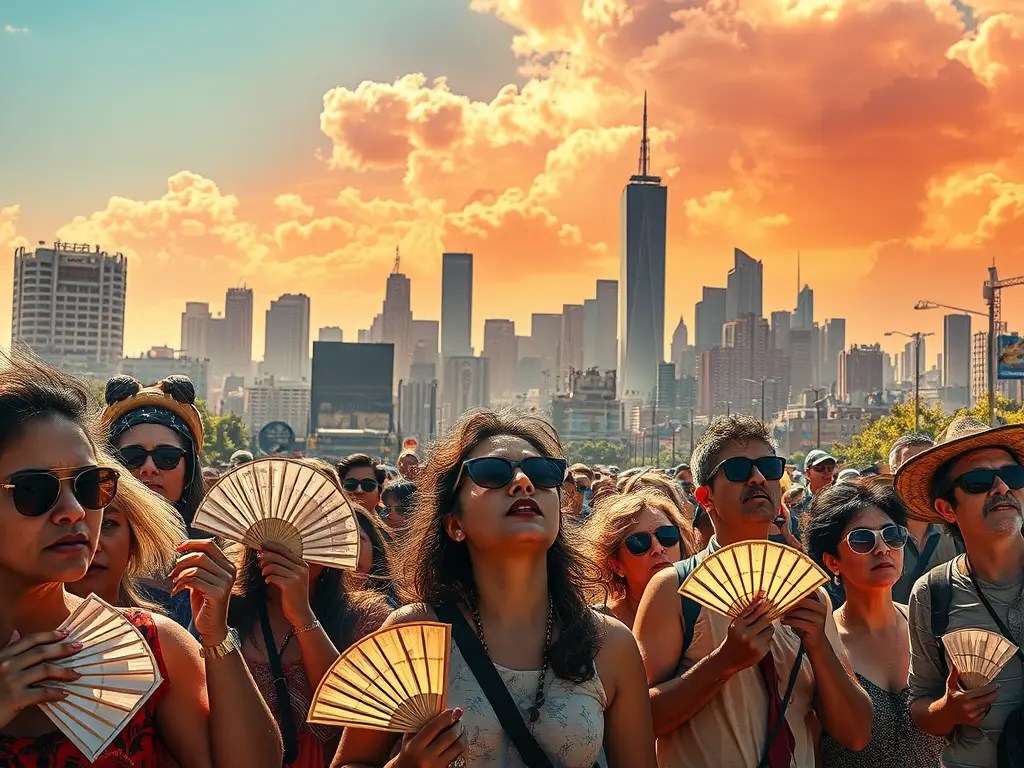
Heatwaves are no longer just seasonal weather—they’re the frontlines of a climate in crisis, casting a shadow over our daily lives and ecosystems. With every record-breaking temperature, nature is sounding the alarm, making it clear that the effects of climate change are tangible and immediate. These extreme events are not random—they are the consequence of human choices, including reckless industrial practices and unsustainable consumption patterns, and a call to urgently change course. As communities face the growing threat of prolonged heat, it becomes increasingly critical for individuals, governments, and organizations alike to unite and implement strategies that mitigate these impacts, preserving the planet for future generations.
🔥 1. Heatwaves as a Climate Alarm Bell
Heatwaves are direct manifestations of climate change:
- Every heatwave today is hotter and more likely due to human-caused global warming, which is largely driven by increased greenhouse gas emissions from various human activities such as burning fossil fuels, deforestation, and industrial processes.
- They are increasing in frequency, intensity, and duration, especially in urban areas due to the urban heat island effect. This phenomenon is characterized by the significant temperature differences between urban and rural areas, leading to a heightened risk of extreme weather events, which can adversely impact public health, infrastructure, and the environment.
- The IPCC confirms that even a 0.5°C rise in global temperature significantly increases heatwave risks, which poses serious challenges for health, agriculture, and water resources across various regions globally.
What it means:
We’re not just experiencing hotter days—we’re witnessing the reshaping of our climate system, which has far-reaching implications for ecosystems, agriculture, and human health. This shift is evident in the increasing frequency of extreme weather events, such as heatwaves, storms, and droughts, which disrupt traditional weather patterns that have governed our planet for centuries. As temperatures rise, not only do we face the discomfort of warmer days, but also the potential for significant changes in biodiversity, water availability, and food production, leading to a future that requires urgent adaptation and collective action to mitigate these unprecedented challenges.
🧬 2. Human Health: The Silent Emergency
Heatwaves are deadlier than floods, hurricanes, or earthquakes:
- Cause nearly 500,000 deaths annually worldwide due to various factors, including environmental influences, health care access, and global pandemics.
- Lead to heatstroke, cardiovascular failure, kidney stress, and worsened chronic conditions, significantly increasing the risk of severe health complications and long-term damage, particularly in vulnerable populations such as the elderly, those with pre-existing health issues, and individuals with limited access to medical care.
- Vulnerable groups include the elderly, children, outdoor workers, and low-income communities, who are often disproportionately affected by environmental hazards, lack of access to healthcare, and economic instability.
What it means:
Heatwaves are a public health crisis hiding in plain sight, often overlooked in discussions about weather and climate change. These extreme temperature events can have devastating effects on vulnerable populations, including the elderly, children, and those with pre-existing health conditions. As temperatures soar, the risk of heat-related illnesses such as heat exhaustion and heat stroke increases significantly. Furthermore, prolonged exposure to high heat can lead to severe dehydration, worsening chronic conditions and causing long-term health complications. It’s crucial for communities to recognize the signs of heatwaves and take proactive measures to protect their residents, ensuring that everyone has access to cooling resources and support during these critical periods.
🌆 3. Urban Vulnerability and Inequality
Cities are ground zero for heatwave impacts:
- Concrete and asphalt trap heat, making cities 5–10°C hotter than rural areas, contributing to urban heat islands that affect local weather patterns, increase energy consumption for cooling, and worsen air quality, ultimately impacting the health and well-being of residents in densely populated areas.
- Poorer neighborhoods often lack green spaces, cooling infrastructure, or air conditioning, which can exacerbate heat-related health issues and contribute to overall lower quality of life for residents, leading to increased vulnerability during extreme weather events.
- Women, migrants, and people of color are disproportionately affected by systemic inequalities and barriers that hinder their access to essential services and opportunities for advancement in society.
What it means:
Heatwaves expose and deepen social inequalities, highlighting the stark disparities in resources and access to basic needs among different communities. While some individuals may have the means to stay cool and safe during extreme heat conditions, others may lack adequate housing, air conditioning, or financial resources to cope. This creates a situation where marginalized groups, including low-income families and the elderly, are disproportionately affected, facing higher health risks and economic burdens. As temperatures rise, the existing gaps in social equity become more pronounced, necessitating urgent attention to create equitable strategies to protect the most vulnerable populations from the impacts of climate change.
🌾 4. Food, Water, and Energy Systems Under Pressure
Heatwaves disrupt the very systems we rely on:
- Crop failures due to extreme heat stress and prolonged drought conditions threaten food security, potentially leading to shortages and increased prices for essential agricultural products.
- Hydropower and thermal plants struggle with water shortages, leading to blackouts, as they rely heavily on sufficient water supply for their operations and electricity generation, resulting in significant energy production challenges during dry periods.
- Livestock deaths and reduced labor productivity hit rural economies hard, leading to significant financial losses for farmers and affecting local food supply chains, which can exacerbate poverty levels and limit access to essential resources in these communities.
What it means:
Heatwaves are not isolated—they ripple through every sector, affecting not just the weather but also impacting agriculture, energy consumption, and public health. As temperatures soar, crops can suffer from heat stress, leading to diminished yields and increased food prices. Moreover, the demand for electricity rises dramatically as people crank up their air conditioning to cope with the sweltering heat, straining energy resources and potentially leading to outages. Public health systems also face additional burdens, as heat-related illnesses become more prevalent, necessitating robust emergency response strategies. Overall, the pervasive nature of heatwaves underscores the interconnectedness of environmental phenomena and their profound effects on our daily lives and economies.
🧠 5. Psychological and Social Impacts
Extreme heat affects more than just the body:
- Increases in aggression, hate speech, and mental health issues have been observed during heatwaves, often leading to heightened tensions within communities, increased instances of conflict, and a growing concern among mental health professionals regarding the well-being of individuals affected by extreme temperatures.
- Children’s education suffers as schools close or become unsafe, leading to a significant disruption in learning, decreased access to educational resources, and increased reliance on unregulated online platforms, ultimately hindering their academic progress and development.
- Social cohesion weakens as communities struggle to cope with various challenges, including economic downturns, social inequality, and rapid changes in demographics and technology, leading to increased feelings of isolation and disconnection among individuals.
What it means:
Heatwaves erode our emotional and societal resilience, leading to increased stress levels, anxiety, and feelings of helplessness among individuals. The extreme temperatures can disrupt daily routines, limit outdoor activities, and create a ripple effect on mental health. As communities struggle to adapt to the harsh conditions, societal bonds can weaken, and individuals may feel isolated or unsupported. This decline in resilience can have far-reaching consequences, highlighting the urgent need for proactive measures to foster emotional well-being and strengthen community connections in the face of climate challenges.
🔥 6. Ecological Collapse and Biodiversity Loss
Nature is not spared:
- Mass die-offs of fish, birds, and insects during heatwaves, often characterized by the sudden and drastic decline in population numbers, can lead to significant ecological imbalances, disrupting food chains and affecting biodiversity across ecosystems.
- Wildfires become more frequent and intense, destroying habitats and significantly affecting biodiversity, which can lead to long-term ecological imbalances and challenges in the recovery of affected areas.
- Forests and coral reefs suffer irreversible damage due to human activities such as deforestation, pollution, and climate change, leading to the loss of biodiversity and the disruption of ecosystems.
What it means:
Heatwaves are accelerating the sixth mass extinction, a phenomenon that poses devastating threats to biodiversity on a global scale. As climate change intensifies, these extreme temperature events are becoming more frequent and severe, resulting in the rapid loss of habitats and species unable to adapt to these harsh conditions. This acceleration not only impacts wildlife but also disrupts entire ecosystems, leading to a cascading effect that endangers human populations reliant on these natural systems for food, water, and overall well-being.
🛠️ 7. A Call to Action: What We Must Do
Heatwaves are a warning—but also a call to act boldly:
- Mitigation: Cut greenhouse gas emissions rapidly to limit future warming, which is an essential step in safeguarding our planet and ensuring a sustainable future for all living beings. By implementing stringent regulations and investing in renewable energy sources, we can significantly reduce our carbon footprint and combat the adverse effects of climate change more effectively.
- Adaptation: Invest in cool roofs, urban greening, early warning systems, and heat-resilient infrastructure to enhance community resilience against rising temperatures and environmental changes. These strategies will not only help mitigate heat effects but also improve air quality, reduce energy consumption, and promote sustainable urban living. Continued investment and innovation in these areas are crucial for the development of more livable, adaptable cities.
What it means:
The window to act is closing—but it’s still open. While time is running out, there remains an opportunity for action that should not be overlooked. Taking advantage of this fleeting chance may lead to significant outcomes and transformative changes. It is essential to evaluate our options carefully and mobilize our efforts before this opportunity fully diminishes, ensuring that we seize the moment while we still can. The urgency of the situation calls for proactive measures and decisive leadership, as once this window closes, the consequences may be dire.
Conclusion
The heat is rising, but so too is our resolve. We hold the tools, the knowledge, and the responsibility to rewrite this story, shaping a brighter future not just for ourselves, but for generations to come. The time to act isn’t tomorrow—it’s now, as our planet calls for immediate attention and care. Because survival shouldn’t be a privilege; it should be a promise, a fundamental right that we all deserve to uphold. Together, we have the power to create impactful changes, to transform our communities, and to forge a sustainable path forward that emphasizes equality, justice, and hope for every living being on this planet.

 Ignite and Achieve