
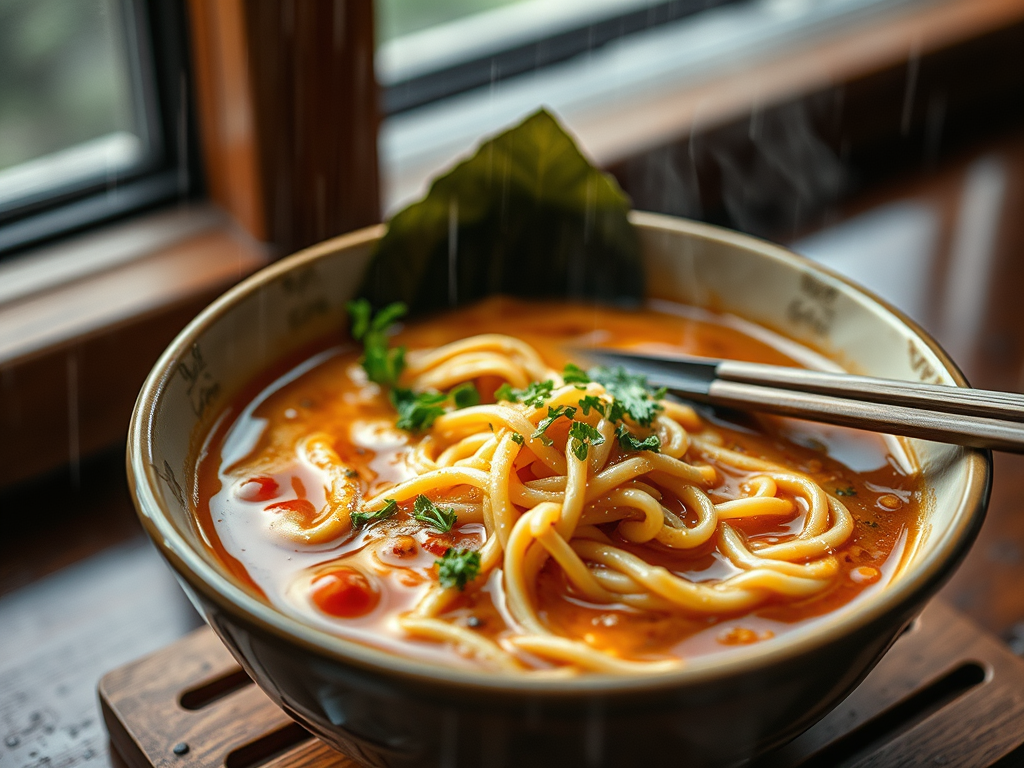
There’s a certain kind of magic in the meals that make us feel whole. A bowl of steaming noodles on a rainy afternoon, the scent of cinnamon drifting from a childhood kitchen, or the creamy warmth of mashed potatoes melting away a long day—comfort food isn’t just nourishment. It’s memory, emotion, and identity served on a plate.
Across cultures and generations, these dishes act as edible anchors to our past, soothing us in times of stress and reconnecting us with moments of joy. But what is it about certain foods that evokes such powerful nostalgia and emotional warmth? Why do we crave them not just with our stomachs, but with our hearts?
Let’s dig into the psychology behind comfort food—and discover how taste can be a gateway to memory, belonging, and emotional healing.
🧠 Why Comfort Food Feels So Good
- Emotional Anchors: Comfort foods are often tied to positive memories—family gatherings, childhood routines, or cultural traditions. These associations create emotional warmth and a sense of security.
- Brain Chemistry: Eating familiar, indulgent foods triggers the release of dopamine and serotonin, the brain’s “feel-good” chemicals. This makes us feel temporarily happier and less stressed.
- Sensory Memory: Smell and taste are closely linked to the limbic system, which governs emotion and memory. A whiff of cinnamon or the taste of buttery mashed potatoes can instantly transport us to a moment in time.
🧒 Nostalgia & Childhood Connections
- Early Experiences: Many comfort foods are rooted in childhood, when meals were often prepared by loved ones. These dishes become symbols of care and affection.
- Cultural Identity: Comfort food varies across cultures—miso soup in Japan, mac and cheese in the U.S., or dal chawal in India. These dishes reflect heritage and belonging, reinforcing identity during moments of emotional need.
😟 Stress, Anxiety & Cravings
- Coping Mechanism: During stress or anxiety, we often crave high-fat or sugary foods. These are quick mood boosters, offering temporary relief from emotional discomfort.
- Conditioned Response: Over time, we learn to associate certain foods with emotional comfort. Even the anticipation of eating them can trigger a soothing response.
Let’s take a delicious world tour of comfort food 🌍🍽️—each dish a warm hug from its culture. We have found some vivid images to go along with these examples, which you’ll see below!
🍜 Asia
- Japan – Katsudon: A crispy pork cutlet simmered with egg and soy sauce over rice. It’s savory, sweet, and deeply satisfying.
- Vietnam – Pho: Aromatic beef noodle soup with herbs and spices. It’s the go-to remedy for rainy days and sniffles.
- China – Congee: A silky rice porridge often topped with pickled vegetables or century egg. Gentle on the stomach, rich in tradition.
🥘 Europe
- France – Boeuf Bourguignon: Slow-cooked beef stew in red wine with mushrooms and onions. It’s rustic elegance in a bowl.
- Hungary – Goulash: A paprika-rich beef stew that warms you from the inside out.
- UK – Shepherd’s Pie: Ground meat and veggies under a blanket of mashed potatoes. Classic, hearty, and soul-soothing.
🌮 Americas
- USA – Mac & Cheese: Gooey, cheesy pasta baked to golden perfection. Childhood in every bite.
- Mexico – Enchiladas: Rolled tortillas stuffed with meat or beans, drenched in sauce and cheese.
- Canada – Poutine: Fries topped with cheese curds and gravy. Salty, melty, and indulgent.
🍛 Africa & Middle East
- West Africa – Peanut Butter Soup: Creamy, spicy, and rich, often served with rice or fufu.
- Iran – Tahdig: Crispy-bottomed rice that’s golden and addictive.
- Lebanon – Mujadara: Lentils, rice, and caramelized onions—simple, earthy, and comforting.
🔑 Final Hints for Exploring Comfort Food Deeply
- Make It Personal: Reflect on your own comfort dishes. What emotions or memories do they stir? Try journaling about them or even recreating them with a twist.
- Sensory Mapping: Break down the sensory experience—texture, aroma, temperature. Comfort food often hits multiple senses at once, creating a full-body emotional response.
- Cultural Crossovers: Explore fusion comfort food. What happens when you blend two nostalgic dishes from different cultures? Think ramen carbonara or kimchi grilled cheese.
- Storytelling Through Food: Every dish tells a story. Use comfort food as a medium for storytelling—whether in writing, photography, or hosting a themed dinner party.
- Mindful Indulgence: Comfort food doesn’t have to mean overindulgence. You can recreate the emotional warmth with healthier ingredients or smaller portions while keeping the soul intact.

 Ignite and Achieve