
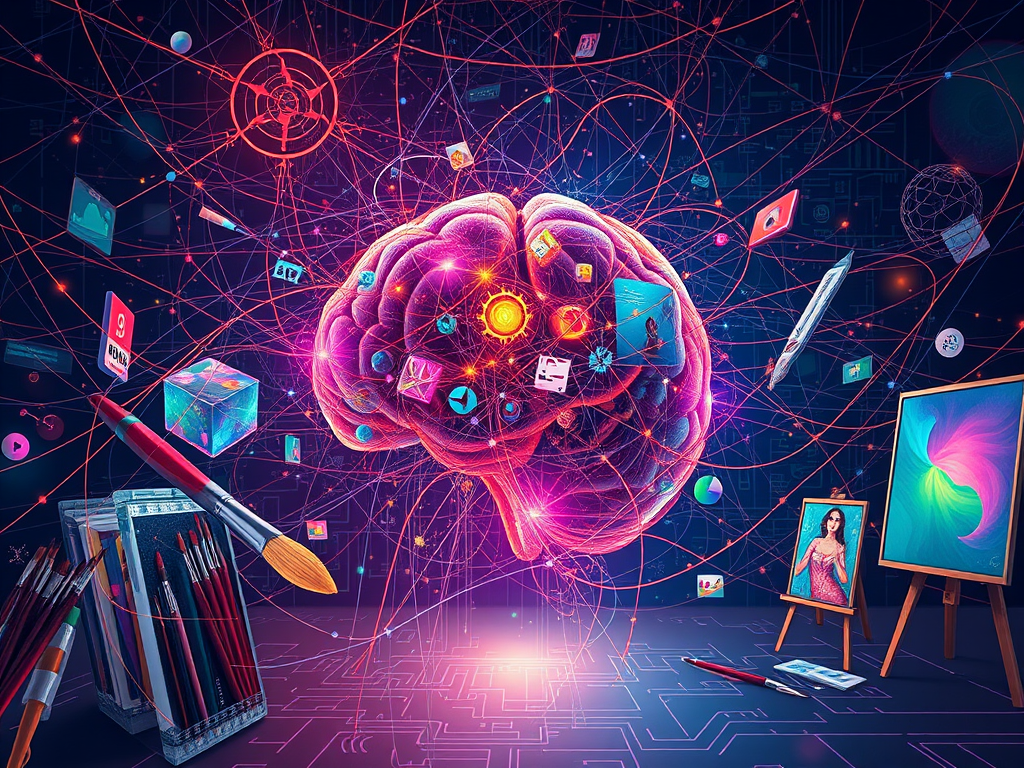
Tech Trends: The Rise of Generative AI
Introduction: Generative AI has taken the tech world by storm, unlocking innovative possibilities across various industries. From creating realistic images and videos to generating human-like text, generative AI is reshaping how we interact with technology.
Latest Developments:
- Enhanced Creativity: Generative AI tools like ChatGPT and DALL-E are enabling artists, writers, and designers to push the boundaries of creativity. These tools can generate original content, assist in brainstorming, and even create entire artworks.
- Improved Customer Service: AI-powered chatbots and virtual assistants are becoming more sophisticated, providing personalized and efficient customer support. They can handle inquiries, resolve issues, and offer recommendations, enhancing the overall customer experience.
- Advanced Drug Discovery: Generative AI is revolutionizing the pharmaceutical industry by accelerating the drug discovery process. AI algorithms can predict molecular structures and simulate their interactions, leading to faster and more cost-effective development of new medications.
- Content Creation: The media and entertainment industry is leveraging generative AI to produce content at scale. This includes generating scripts, storyboards, and even entire episodes of shows, making content creation more efficient and accessible.
- Personalized Marketing: Marketers are using generative AI to create highly targeted and personalized campaigns. AI can analyze consumer data, predict preferences, and generate customized advertisements, improving engagement and conversion rates.
Impact on Society: Generative AI is not just a technological marvel; it’s transforming industries and everyday life. By automating routine tasks, enhancing creativity, and providing personalized solutions, generative AI is making technology more accessible and beneficial to a wider audience.
Conclusion:
The rise of generative AI marks a significant milestone in the evolution of technology. As we continue to explore its potential, we can expect even more groundbreaking applications that will shape the future of various sectors, including healthcare, where AI can assist in diagnostics and personalized treatment plans, and entertainment, where it can create immersive experiences and seamless storytelling. Furthermore, industries such as finance and education are poised to benefit greatly from AI-driven insights and personalized learning pathways. As these advancements unfold, we must also consider the ethical implications and ensure responsible development to maximize the benefits for society as a whole.
 Ignite and Achieve