
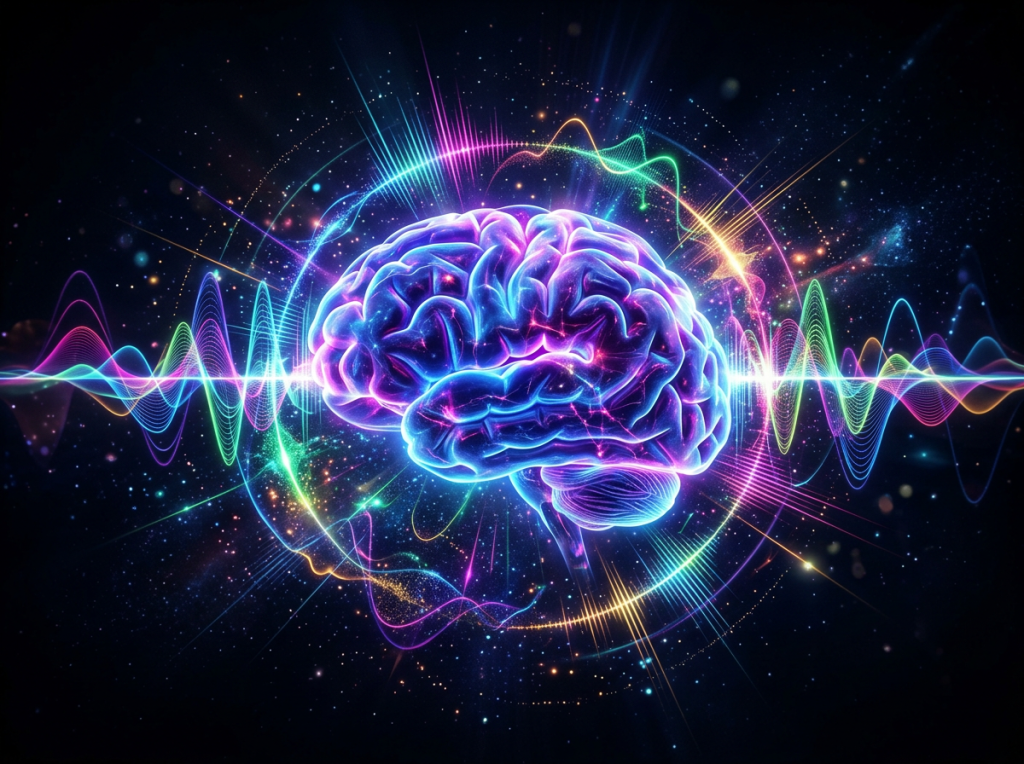
The Power of Music
Music profoundly affects us by engaging nearly every part of the brain — it shapes emotions, enhances memory, stimulates movement, and even aids healing. Its impact is so deep that it can trigger dopamine release, synchronize social groups, and help rebuild damaged neural pathways. Additionally, different genres of music can evoke a wide range of feelings, from joy to sorrow, creating a rich tapestry of human experience that connects individuals across cultures and time periods. The rhythm and melody can inspire creativity and improve cognitive functions, while music therapy has been shown to alleviate stress, anxiety, and even physical pain for those undergoing treatment. In this way, music serves not only as a source of enjoyment but also as a powerful tool for emotional and physical well-being, demonstrating its essential role in our lives.
🎵 How Music Interacts with the Brain
- Auditory processing: Vibrations are converted into electrical signals in the auditory cortex, which maps various frequencies to perceive pitch and allows us to distinguish between different sounds. This complex process is crucial for understanding speech and enjoying music, as it enables our brains to interpret sound patterns and nuances.
- Rhythm and movement: The basal ganglia and cerebellum link rhythm to motor planning, explaining why we instinctively tap our feet or dance in response to music or a beat, highlighting the deep-rooted connection between auditory stimuli and our physical reactions, which demonstrates how rhythm can influence our emotions and encourage spontaneous bodily expressions.
- Melody and harmony: The frontal and parietal cortices predict upcoming notes, making music an anticipatory exercise that engages listeners not only emotionally but also cognitively, thereby enriching the overall musical experience.
- Reward system: Pleasurable music activates the limbic system and nucleus accumbens, releasing dopamine — the same reward chemical triggered by food or social bonding, reinforcing our desire to seek out enjoyable musical experiences and creating a sense of happiness and fulfillment in our daily lives.
💡 Emotional and Psychological Effects
- Emotional regulation: Music reduces stress, lowers blood pressure, and can ease anxiety, promoting a more balanced emotional state by providing an outlet for expression and enhancing mood through its various rhythms and melodies.
- Memory connection: Songs often evoke vivid memories and deep emotions; music therapy specifically helps dementia patients recall personal details and significant moments from their past, enhancing their quality of life and overall emotional well-being.
- Identity and culture: Self-selected music strongly engages reward and identity circuits, reinforcing cultural belonging and personal meaning, while also providing a unique avenue through which individuals can express their personal values, navigate social relationships, and affirm their sense of self in a diverse and multifaceted world.
🧠 Therapeutic Applications
- Music therapy: Used to restore speech, movement, and emotional balance. This therapeutic approach, which has gained significant recognition in recent years, employs various musical activities tailored to the individual’s needs. For example, former Congresswoman Gabby Giffords regained speech partly through music therapy after a brain injury, illustrating the profound impact that music can have on rehabilitation and recovery. Through structured sessions, patients engage with music in a way that can enhance their cognitive and physical abilities while also addressing emotional wellness.
- Neurological rehabilitation: Rhythmic synchronization helps stroke patients relearn motor skills, enabling them to improve their coordination and regain independence in daily activities, ultimately enhancing their quality of life through targeted therapeutic practices.
- Pain management: Music reduces perceived pain by distracting attention and activating reward pathways, allowing individuals to experience a sense of relief. In various studies, it has been shown that listening to music can lower stress levels and improve overall mood, further contributing to pain alleviation.
🌍 Social and Cultural Impact
- Group synchronization: Choirs, concerts, and rituals align emotional states across participants, fostering a profound sense of unity and connection among individuals, allowing them to experience shared moments that enhance collective joy and understanding.
- Cross-cultural universality: Every known culture has music, though styles vary widely across different regions and historical contexts. This universality highlights its evolutionary roots and suggests that music may serve fundamental human needs, such as communication, community bonding, and emotional expression, illustrating how it connects people regardless of their cultural backgrounds.
- Hong Kong context: Cantonese opera, with its rich history and unique art forms, preserves cultural heritage, while Cantopop, as a contemporary musical genre, reflects modern identity and connects generations through shared experiences and evolving narratives.
📊 Quick Comparison of Effects
| Effect | Brain Area | Impact |
|---|---|---|
| Rhythm | Basal ganglia, cerebellum | Movement, synchronization |
| Melody | Auditory cortex, frontal lobe | Anticipation, prediction |
| Emotion | Amygdala, hippocampus | Mood regulation, memory |
| Reward | Nucleus accumbens | Pleasure, dopamine release |
In conclusion, music is far more than a source of entertainment — it is a profound force that shapes our emotions, strengthens our memory, and connects us across cultures. By engaging nearly every region of the brain, music has the power to heal, inspire, and unify. As we continue to explore its impact, let us recognize music not only as an art form, but as a vital tool for well-being, learning, and human connection. The challenge before us is simple yet powerful: to harness the transformative energy of music in our daily lives and professional practices, ensuring that its benefits resonate far beyond the concert hall.

 Ignite and Achieve
Leave a comment