
Heat Waves: Causes, Human Impacts, and Resilience Strategies
Heatwaves are no longer fleeting anomalies; they are becoming the defining rhythm of our age. Unlike storms that roar or floods that devastate in a single sweep, heatwaves creep in silently, stretching across days and nights, suffocating cities, exhausting bodies, and exposing the fragility of human systems. They are not simply “hot weather.” They are climate signals, warnings etched into the air we breathe, reminders that the planet is shifting faster than our societies are willing to adapt.
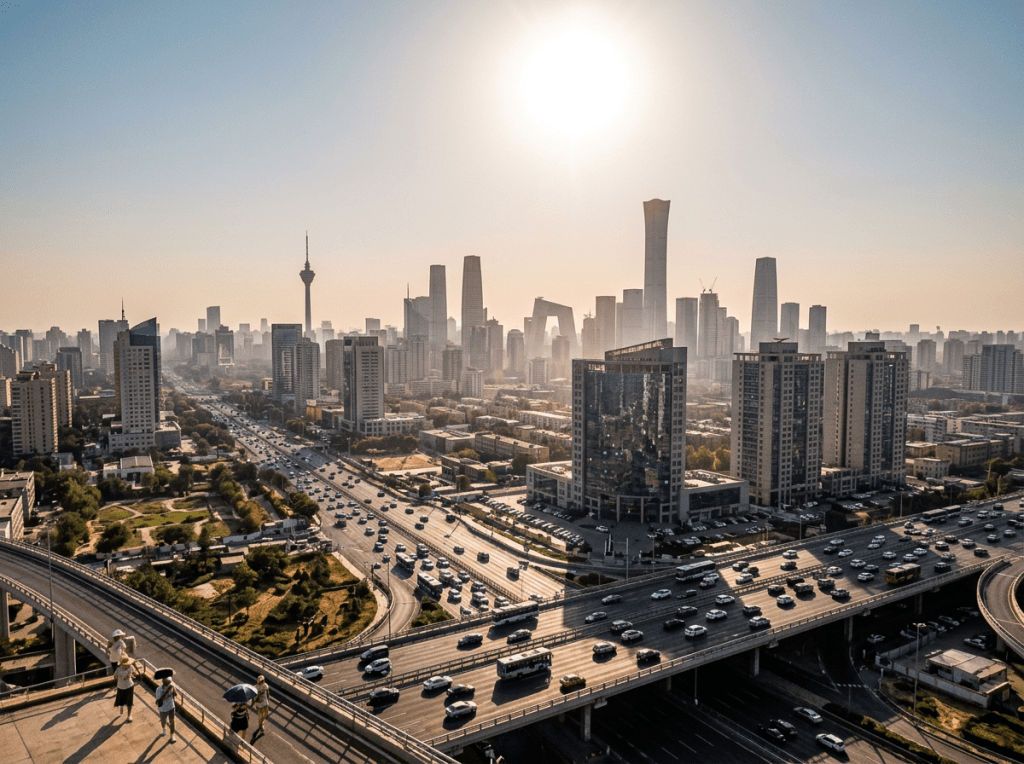
At their core, heatwaves are the collision of natural forces and human choices. Climate change raises the baseline temperature, while heat domes trap hot air like a lid over boiling water. Urban landscapes—dense with concrete, steel, and glass—magnify the effect, creating urban heat islands where temperatures soar even higher. The result is not just discomfort but danger: heatstroke, dehydration, crop failures, blackouts, and rising mortality.
Yet the true story of heatwaves lies in their social dimension. They reveal inequality with brutal clarity. In one household, air conditioning hums; in another, a fan struggles against oppressive heat. Outdoor workers labor under the sun while office workers retreat into cooled towers. Vulnerable groups—the elderly, children, the poor—bear the brunt of a crisis that is both environmental and political. Heatwaves force us to ask: who gets to survive comfortably, and who is left exposed?
To face heatwaves is not merely to endure them—it is to rethink daily life. Hydration becomes ritual, rest becomes resistance, and community care becomes survival. Every shaded pause, every shared glass of water, every cooling shelter is both a practical adaptation and a quiet act of defiance against systems that have failed to protect us.
In this way, heatwaves are more than meteorological events. They are slow emergencies, stretching across time, demanding patience, creativity, and solidarity. They challenge us to redesign our cities, restructure our work, and reimagine resilience—not as an individual burden but as a collective responsibility.
🌡️ What a Heatwave Is
- Definition: A sequence of days and nights with excess heat accumulation beyond local norms.
- Causes:
- Climate change: Rising global temperatures increase frequency and intensity.
- El Niño: Alters weather patterns, often amplifying heat.
- Heat domes: High-pressure systems trap hot air over regions.
- Impact: Heatwaves are now more frequent, longer, and more intense worldwide.
🧠 How Heat Affects Humans
- Heat stress: Body struggles to regulate temperature, leading to fatigue and confusion.
- Heatstroke: A medical emergency—symptoms include dizziness, nausea, rapid heartbeat, and unconsciousness.
- Vulnerable groups: Elderly, children, outdoor workers, and people with chronic illnesses.
- Statistics: Heat-related mortality among people over 65 rose 85% between 2000–2004 and 2017–2021. In Europe’s 2003 heatwave, 70,000 deaths occurred.
🛡️ How Humans Can Face It
Daily Strategies
- Hydration: Drink water regularly, avoid alcohol/caffeine.
- Cooling: Fans, cold showers, shaded rest, cooling packs.
- Clothing: Light, breathable fabrics; avoid dark colors.
- Timing: Shift outdoor work/exercise to mornings/evenings.
Community & Systemic Measures
- Cooling centers: Public spaces offering AC and water.
- Urban design: Shade trees, reflective surfaces, ventilation corridors.
- Public health response: Alerts, medical preparedness, outreach to vulnerable groups.
Final Hints
Heatwaves are not isolated weather events; they are signals of a planet under stress and societies unprepared for the pace of change. They challenge our health, our infrastructure, and our collective resilience, but they also present an opportunity: to rethink how we design our cities, structure our work, and care for one another.
Facing heatwaves requires more than temporary coping strategies—it demands a permanent shift in mindset. Hydration, cooling, and rest are immediate necessities, but long-term resilience lies in urban redesign, policy innovation, and community solidarity. Every adaptation, from planting shade trees to opening cooling centers, is both a practical measure and a statement of values: that human life and dignity must come before economic continuity.
In the end, heatwaves remind us that survival is not only about endurance—it is about transformation. By embracing creativity, critical reflection, and collective responsibility, we can turn these “slow emergencies” into catalysts for a more resilient, humane, and climate-conscious future.

 Ignite and Achieve
Leave a comment