
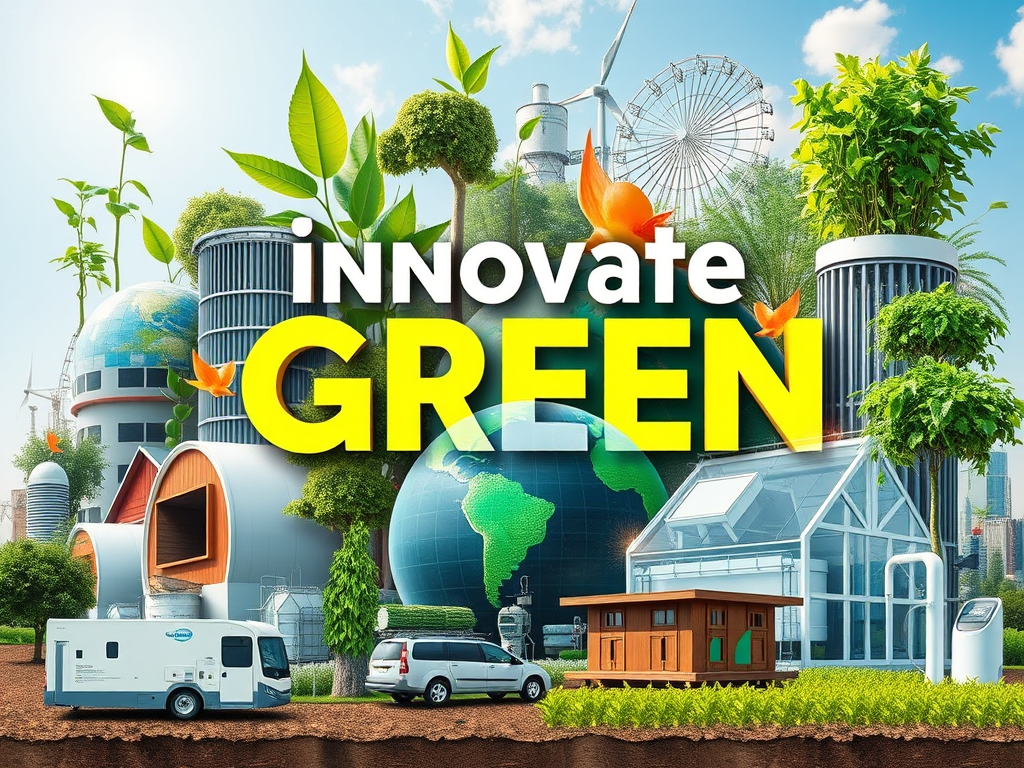
New green innovations that are making a significant impact:
1. Biomimicry
Concept: Mimicking natural processes and designs found in plants and animals to create sustainable solutions. Example: Developing materials that can self-heal like human skin or plants, reducing waste and extending product lifespans.
2. Molten Salt Energy Storage
Concept: Using molten salt to store thermal energy, which can be converted into electricity when needed. Example: This technology helps bridge the gap between renewable energy generation and demand, making renewable energy more reliable.
3. Artificial Photosynthesis
Concept: Replicating the natural process of photosynthesis to convert sunlight and carbon dioxide into usable energy. Example: This innovation could provide a sustainable way to produce clean energy while reducing atmospheric CO2 levels.
4. Smart Meters
Concept: Installing smart meters in homes to monitor and manage energy consumption more efficiently. Example: Consumers can reduce their energy usage and save on bills, while utilities can better manage energy distribution.
5. Carbon Capture and Storage
Concept: Capturing carbon dioxide emissions from industrial sources and storing them underground to prevent them from entering the atmosphere. Example: Advanced technologies are being developed to enhance the efficiency and scalability of carbon capture and storage.
6. Electric Vehicle Propulsion
Concept: Developing electric vehicles (EVs) with improved battery technology and charging infrastructure. Example: Innovations in EV propulsion are addressing range anxiety and making electric transportation more viable.
7. Nuclear Energy Technology
Concept: Advancing nuclear technology to produce clean energy at scale while minimizing risks. Example: New reactor designs and safety measures are being developed to harness nuclear energy more safely and efficiently.
8. Vertical Farming
Concept: Growing crops in vertically stacked layers using controlled environments to maximize space and resource efficiency. Example: Vertical farms can produce fresh produce year-round with minimal water and land use, reducing the environmental impact of traditional agriculture.
9. Eco-Friendly Building Materials
Concept: Developing construction materials that are sustainable and have a lower environmental footprint. Example: Using recycled materials, biodegradable products, and energy-efficient designs to create greener buildings.
10. Water Purification Innovations
Concept: Creating advanced water purification systems to provide clean drinking water with minimal environmental impact. Example: New filtration technologies and desalination methods are making it easier to access safe drinking water in water-scarce regions.
Conclusion:
These innovations are paving the way for a more sustainable future by leveraging technology to address environmental challenges, such as climate change and resource depletion. By integrating smart solutions and advanced analytics, we can optimize resource management, reduce waste, and promote renewable energy sources. Furthermore, these technological advancements encourage collaboration between organizations, governments, and communities, leading to a collective effort in protecting our planet. As we embrace these changes, it becomes increasingly important to educate individuals about the benefits of sustainable practices, inspiring a lifestyle shift that prioritizes environmental stewardship.
 Ignite and Achieve