
Paper Cups and Microplastics: Hidden Health Risks and Environmental Impact
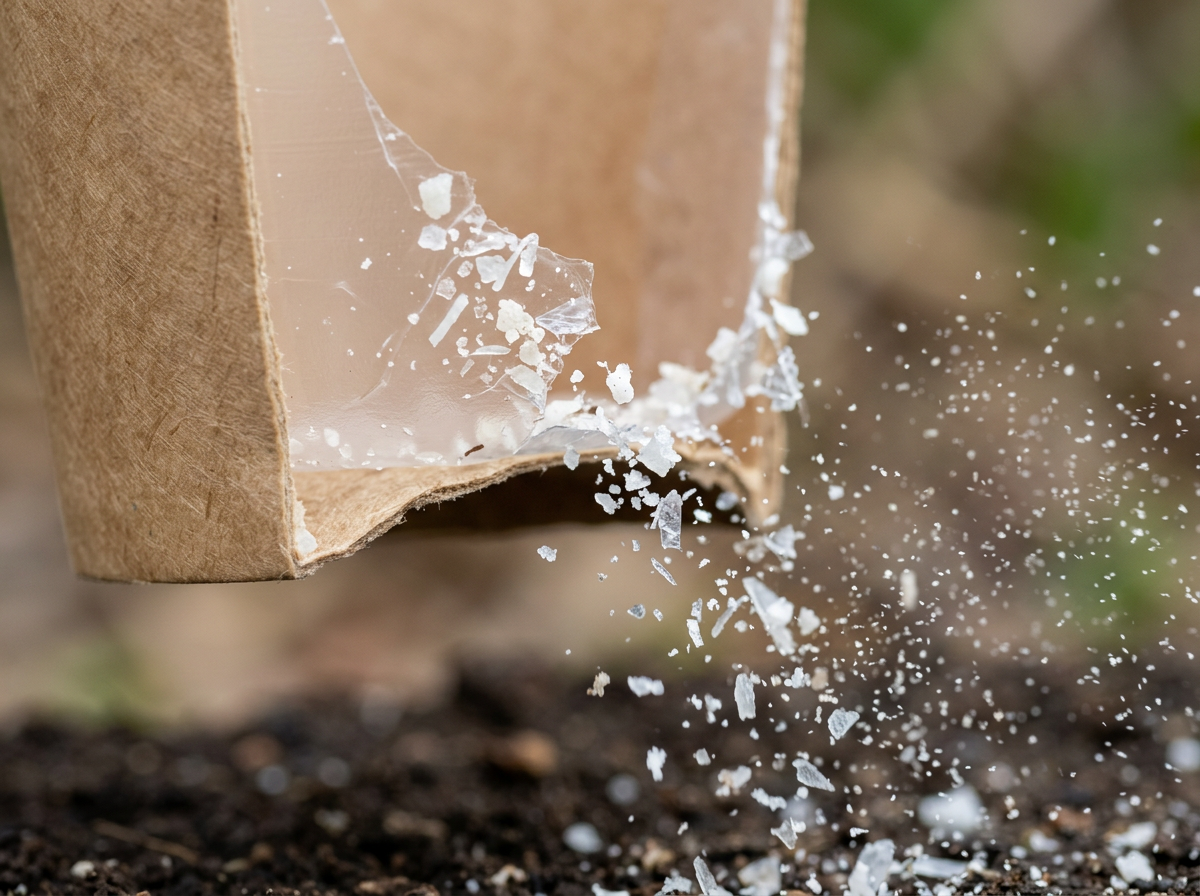
Disposable paper cups, often perceived as a sustainable alternative to plastic, conceal a critical environmental and public health challenge that is increasingly coming to light. Their inner lining, typically composed of polyethylene, is designed to effectively prevent liquid seepage but inadvertently becomes a significant source of microplastic contamination, posing risks that are often overlooked.
When exposed to hot beverages, this plastic layer gradually degrades, releasing thousands to millions of microscopic particles into the drink, thus making each sip a potential risk to human health. These microplastics not only enter the human body through daily consumption but also persist in the environment, complicating recycling processes and contributing relentlessly to global plastic pollution. The fact that billions of paper cups are discarded annually magnifies the scale of this issue, and this staggering number demands urgent attention from policymakers, industry leaders, and consumers alike who must grapple with the hidden costs of convenience.
Understanding the intersection of convenience, hidden health risks, and environmental consequences is essential to charting a path toward safer, more sustainable alternatives, invoking a collective responsibility to seek innovative solutions that prioritize both public health and ecological integrity. Emphasizing the importance of consumer awareness and encouraging shifts toward reusable options can play a pivotal role in mitigating these challenges, ensuring a healthier planet for future generations.
Why Paper Cups Release Microplastics
- Polyethylene coating: Paper cups are lined with a thin plastic film to prevent leaks and ensure that the contents remain secure during use. This polyethylene coating, while effective for its intended purpose, presents environmental concerns, as it breaks down when exposed to hot liquids and, in the process, sheds microplastics that can contribute to pollution and harm wildlife.
- Heat effect: Studies show that higher temperatures significantly increase microplastic release, with hot drinks producing far more particles than cold ones. Specifically, the transition from ambient temperature to boiling can accelerate the degradation of plastic materials, further contributing to the contamination of beverages. This phenomenon raises concerns about the potential long-term health impacts associated with the consumption of microplastics in our daily diets and highlights the importance of investigating the implications of temperature on plastic materials.
- Particle count: Research indicates paper cups can release 1,000–5,000 particles per liter on average, while some studies report up to 8 million particles per liter depending on various conditions, including the type of material used, temperature, and time of exposure.
Health Concerns
- Human exposure: Microplastics can enter the body through ingestion, which occurs when people consume contaminated food and beverages, particularly those caught in oceans or grown in polluted soils. Long-term accumulation within the body is linked to potential inflammatory responses, as research has suggested that these tiny particles may interact with human tissues and provoke adverse reactions over time, potentially leading to health complications that merit further investigation.
- Possible risks: Early studies suggest associations with cardiovascular disease, thrombosis, and neurological disorders, though more research is needed to determine the extent, mechanisms, and specific populations affected by these conditions. Understanding these potential risks will be crucial for developing appropriate preventative measures and treatment options.
Environmental Impact
- Recycling difficulty: The PE lining makes paper cups hard to recycle effectively, as most recycling facilities completely cannot separate the plastic from the paper during processing and, as a result, these materials end up in landfills or incinerators instead of being repurposed.
- Landfill waste: Billions of cups, which are often made from plastic that takes hundreds of years to decompose, end up in landfills annually, contributing significantly to plastic pollution and environmental degradation.
- Global scale: Around 500 billion disposable cups are used worldwide each year, particularly in high-consumption countries, amplifying the environmental burden significantly due to their short lifespan and the challenges associated with recycling and waste management.
Safer Alternatives
- Reusable cups: Stainless steel, glass, or ceramic cups eliminate microplastic exposure, reduce waste, and provide a sustainable alternative to single-use plastics, enhancing your drinking experience with their durability, easy cleaning, and stylish designs that cater to various preferences, making them a great choice for both home and on-the-go use.
- Biodegradable options: Cups made from plant-based materials (e.g., PLA bioplastics) are emerging as a popular alternative to traditional plastic. These cups are designed to break down in composting environments; however, their real-world compostability can vary significantly depending on the conditions and facilities available for composting. The effectiveness of these biodegradable options in reducing environmental impact often depends on consumer awareness and participation in proper disposal methods.
- Bring-your-own policy: Many cafes across the city encourage environmentally conscious customers to bring reusable cups, sometimes offering discounts as an incentive for those who make this sustainable choice. In addition to promoting eco-friendliness, this practice helps to reduce waste and foster a community of responsible consumers who are mindful of their impact on the environment.
Comparison Table
| Cup Type | Microplastic Risk | Recyclability | Durability | Best Use Case |
|---|---|---|---|---|
| Paper cup | High (1,000–5,000 particles/L) | Poor (PE lining issue) | Single-use | Convenience, short-term |
| Plastic cup | High (temperature-dependent) | Moderate | Single-use | Cold drinks |
| Reusable stainless steel | None | Excellent | Long-lasting | Daily coffee/tea |
| Glass cup | None | Excellent | Fragile | Home/office |
| Biodegradable cup | Low (depends on material) | Variable | Single-use | Eco-conscious events |
Closing Hints
- Emphasize urgency: Conclude by stressing that the widespread use of paper cups is not a minor inconvenience but a pressing global issue with health and environmental consequences.
- Highlight responsibility: Point out that responsibility lies not only with consumers but also with manufacturers, policymakers, and waste management systems.
- Call for innovation: Encourage investment in sustainable alternatives such as biodegradable linings, reusable cup programs, and improved recycling technologies.
- Promote awareness: Suggest that public education campaigns are essential to shift consumer behavior toward reusable solutions.
- Frame as opportunity: Position the challenge as an opportunity for businesses to lead in sustainability, gain consumer trust, and reduce long-term costs.
- End with vision: Close with a forward-looking statement about building a healthier, plastic-free future through collective action.
