
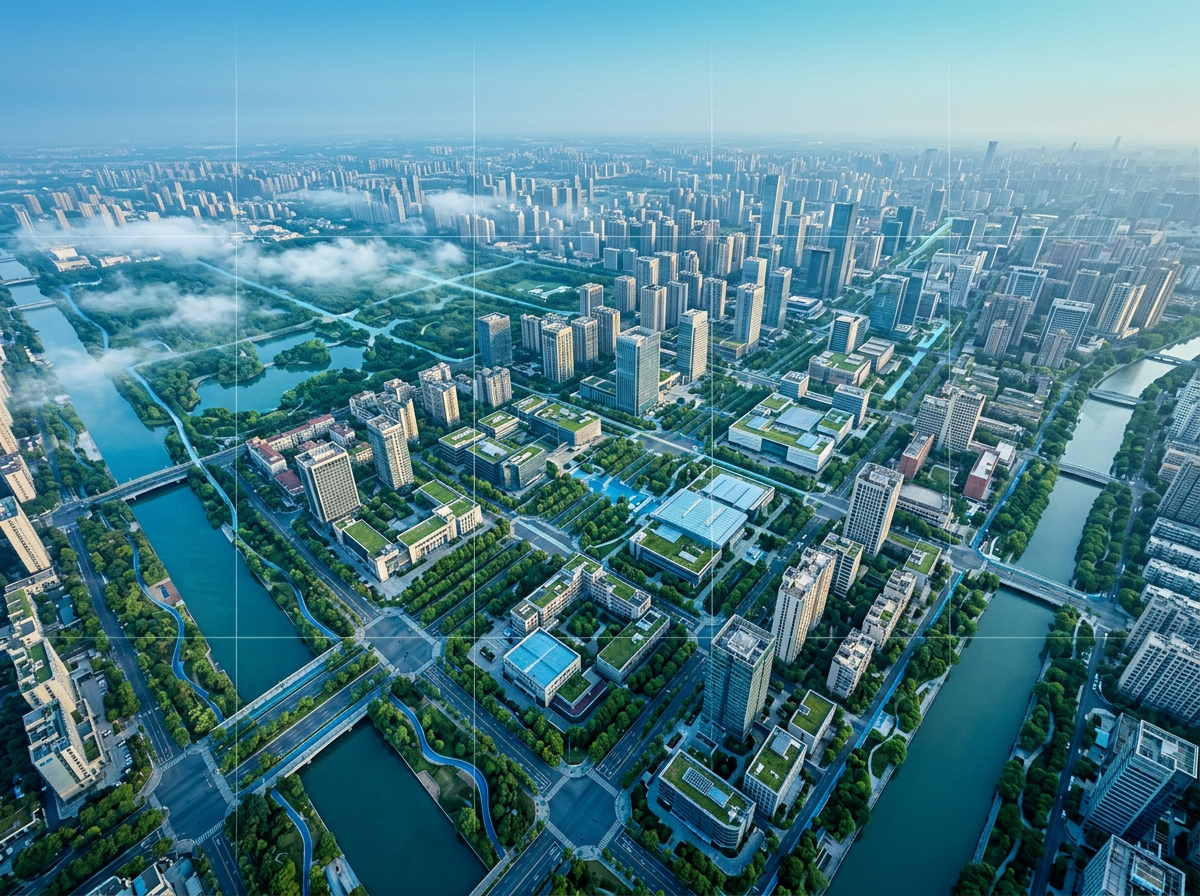
Nature-Based Solutions to Heatwaves
As climate change intensifies, heatwaves are becoming more frequent, longer-lasting, and increasingly dangerous to human health, infrastructure, and ecosystems. Traditional cooling methods, such as air conditioning, are energy-intensive and contribute to greenhouse gas emissions, creating a vicious cycle that exacerbates the very problem we seek to alleviate.
To break this cycle, cities and communities worldwide are turning to nature-based solutions—innovations that harness the cooling power of ecosystems to reduce urban heat, protect vulnerable populations, and build long-term resilience against climate impacts. These strategies not only mitigate extreme temperatures but also deliver co-benefits such as improved air quality, enhanced biodiversity, and a greater sense of social well-being. For instance, integrating green roofs, urban forests, and permeable surfaces can significantly lower surface and ambient temperatures while providing habitats for wildlife and spaces for community engagement. Furthermore, these nature-based interventions foster a deeper connection between residents and their environment, paving the way for sustainable urban development that prioritizes both ecological health and human quality of life.
🌍 Why They Work
- Shade from vegetation: Trees and plants block direct solar radiation, effectively lowering surface and air temperatures, which not only provides a cooler microclimate for surrounding areas but also significantly helps in conserving moisture in the soil and reducing the need for irrigation, thereby promoting a healthier ecosystem overall.
- Evapotranspiration cooling: Plants release water vapor into the atmosphere, which absorbs heat energy from the surrounding environment and effectively cools the air. This natural process not only helps in regulating temperature, but also contributes to the overall humidity levels in the microclimate, promoting a more comfortable and balanced ecosystem for both flora and fauna.
- Soil moisture regulation: Healthy soils retain water, effectively preventing overheating and significantly reducing heat stress on crops, thereby promoting optimal growth and maximizing yields for enhanced agricultural productivity.
- Albedo effect: Vegetation reflects more sunlight than asphalt or concrete, reducing heat absorption and consequently leading to lower temperatures in urban settings, which can mitigate the heat island effect commonly experienced in densely populated areas.
- Microclimate creation: Green spaces form cooler pockets within cities, effectively mitigating the urban heat island effect, which leads to improved air quality, enhanced biodiversity, and a more pleasant environment for residents and wildlife alike, creating a harmonious balance between urban development and nature.
🚀 How to Start Implementing NbS
1. Assessment phase
- Map urban heat islands using various satellite data sources and comprehensive local temperature monitoring systems to analyze and mitigate temperature disparities within urban environments.
- Identify vulnerable communities most affected by heatwaves, such as low-income neighborhoods, the elderly population, and individuals with pre-existing health conditions who may lack access to adequate cooling resources and support systems.
2. Planning phase
- Select appropriate NbS (nature-based solutions) such as trees, wetlands, and green roofs based on local climate and geography, ensuring that they effectively address environmental challenges while promoting biodiversity, enhancing ecosystem services, and providing economic benefits to the community.
- Engage communities actively and continuously to ensure equitable access to cooling benefits that are essential for enhancing health, comfort, and overall quality of life for all individuals, particularly those in vulnerable populations.
3. Pilot projects
- Start small with demonstration sites: rooftop gardens, pocket parks, or restored wetlands to illustrate the benefits of green spaces, enhance urban biodiversity, and promote community engagement in environmental conservation efforts.
- Monitor cooling effects and gather community feedback to assess the overall impact on local temperature, ensuring that any necessary adjustments can be made based on resident experiences and suggestions.
4. Scaling up
- Integrate NbS into city master plans and building codes to ensure that urban development incorporates nature-based solutions effectively, promoting sustainability and resilience in the face of climate change challenges.
- Incentivize private adoption through beneficial tax breaks specifically for green roofs, as well as providing generous subsidies for tree planting initiatives aimed at enhancing urban greenery and promoting environmental sustainability.
5. Maintenance & monitoring
- Ensure long-term care of vegetation, including regular activities such as watering to keep plants hydrated, pruning to encourage healthy growth, and implementing pest control measures to protect against infestations and maintain overall plant health.
- Use sensors and AI to continuously track cooling performance and dynamically adjust strategies accordingly to enhance efficiency and optimize energy consumption.
🌳 Key Nature-Based Solutions for Heatwaves
1. Urban forests
- Trees provide shade and evapotranspiration cooling, which helps to lower temperatures in urban areas, creating a more comfortable environment for residents and reducing reliance on air conditioning systems.
- Large canopy cover can significantly reduce local air temperatures by 2–4°C, which can create a more comfortable outdoor environment for people and wildlife alike, promoting greater biodiversity and helping to alleviate urban heat islands.
- Strategic planting along streets not only lowers heat stress significantly but also improves air quality, creating a more comfortable microclimate for pedestrians and enhancing the overall urban environment.
2. Green roofs and walls
- Vegetation on rooftops and facades insulates buildings, providing various benefits such as reducing energy consumption, improving air quality, and enhancing the aesthetic appeal of urban environments.
- Reduces cooling energy demand by up to 25%, significantly contributing to lower energy bills and promoting environmental sustainability.
- Enhances biodiversity in dense urban areas by providing essential habitats for various species, including birds, insects, and small mammals, ultimately contributing to healthier ecosystems and promoting environmental resilience.
3. Wetlands restoration
- Wetlands act as natural coolers through the process of water evaporation, which helps to regulate temperatures in the surrounding environment, especially during hot weather, creating a more stable ecosystem and providing relief to various flora and fauna that depend on these habitats.
- Provide flood protection during extreme rainfall linked to heatwaves to ensure the safety and security of communities, as well as to mitigate potential property damage and environmental impacts associated with excessive water runoff during these severe weather events.
- Support biodiversity and carbon sequestration by implementing sustainable practices that protect natural habitats, promote diverse ecosystems, and enhance the ability of forests and other landscapes to capture and store atmospheric carbon.
4. Urban parks
- Large green spaces lower surrounding temperatures by 1–3°C, providing a cooling effect that contributes to urban climate regulation, enhances biodiversity, and creates more comfortable outdoor environments for residents and visitors.
- Offer safe public cooling zones during heatwaves, especially in urban areas, to provide relief for vulnerable populations such as the elderly and those with pre-existing health conditions.
- Improve mental health and social cohesion by promoting community activities, encouraging open communication, and fostering supportive relationships among individuals in various settings.
5. Mangroves and coastal vegetation
- Coastal ecosystems buffer heat and humidity, providing essential services that help to regulate the local climate, reduce temperature extremes, and maintain moisture levels essential for both flora and fauna.
- Provide shade, reduce urban heat island effects in coastal cities by utilizing strategic landscaping and tree planting initiatives, fostering a cooler environment and enhancing the overall urban ecology.
- Protect against storm surges intensified by climate change by implementing robust infrastructure, enhancing coastal defenses, and preserving natural barriers such as mangroves and wetlands.
6. Agroforestry
- Integrating trees into farmland reduces soil heat stress, thereby improving the overall health and productivity of crops, enhancing biodiversity, and promoting sustainable agricultural practices.
- Improves crop resilience to extreme temperatures, enabling them to withstand harsh environmental conditions and ultimately leading to more consistent yields and food security.
- Enhances carbon storage and biodiversity significantly, contributing to a healthier ecosystem and improved climate resilience.
7. Permeable surfaces
- Replacing asphalt with permeable pavements significantly reduces heat absorption, leading to a cooler surface temperature, which not only improves the comfort for pedestrians and drivers but also minimizes the urban heat island effect, thus benefiting the overall environment.
- Allows rainwater infiltration, effectively cooling the ground naturally while promoting healthier soil conditions and enhancing the ecosystem’s overall balance.
📊 Cooling Potential Comparison
| Solution | Cooling Effect | Co-benefits | Best Context |
|---|---|---|---|
| Urban forests | 2–4°C | Air quality, biodiversity | Streets, neighborhoods |
| Green roofs/walls | 2–3°C | Energy savings, biodiversity | Dense cities |
| Wetlands | 2–5°C | Flood control, carbon storage | Suburban & peri-urban |
| Urban parks | 1–3°C | Recreation, health | City centers |
| Mangroves | 1–2°C | Coastal protection | Coastal cities |
| Agroforestry | 2–4°C | Food security, soil health | Rural areas |
| Permeable surfaces | 1–2°C | Water management | Roads, pavements |
Final Hints
In conclusion, nature-based solutions represent a powerful, sustainable, and cost-effective pathway to address the growing threat of heatwaves, which pose significant risks to urban populations globally. By leveraging the cooling capacity of ecosystems—through urban forests, wetlands, green roofs, and permeable surfaces—communities can effectively reduce temperatures, safeguard public health, and enhance resilience to climate extremes that are becoming increasingly common. Importantly, these interventions deliver multiple co-benefits, ranging from biodiversity conservation to improved air quality, enhanced urban aesthetics, and increased social well-being. Moreover, these green initiatives can foster community engagement, provide recreational spaces, and support local economies through sustainable practices. As cities and regions plan for the future, integrating nature-based strategies into urban design and policy frameworks is not just an environmental imperative, but a strategic investment in long-term climate resilience and human security that can create healthier, more livable environments for generations to come.
