
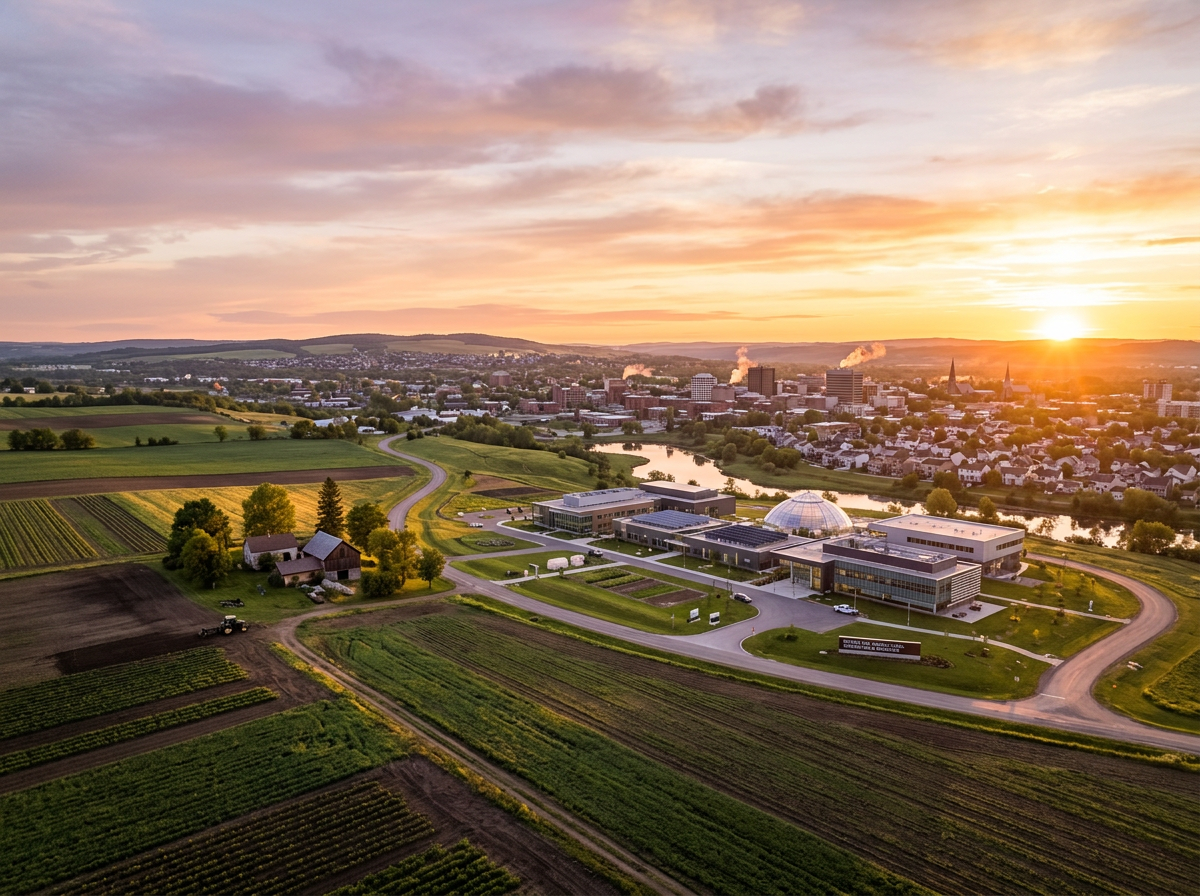
Why There is No Future Without Cultivation Today
The trajectory of human civilization has always been tethered to the concept of cultivation. Historically, this meant the literal tilling of soil—the agricultural revolution that transitioned humanity from nomadic survival to structured societies, enabling the establishment of permanent settlements, trade networks, and complex social structures.
This monumental shift not only allowed for food surplus but also paved the way for artistic, technological, and scientific advancements. Today, however, the definition of cultivation must expand significantly. In an era dominated by rapid technological disruption, ecological fragility, and shifting socio-economic paradigms, cultivation no longer applies merely to fields; it applies to minds, ecosystems, technologies, and institutional frameworks.
The cultivation of knowledge is critical, nurturing creativity and critical thinking in individuals from a young age, which in turn fuels innovation and adaptability. Likewise, ecosystems require a careful balance of interaction and nurturing, ensuring biodiversity and resilience against climate change, while also recognizing the interdependence between humans and nature. Moreover, the advancement of technologies demands a thoughtful approach towards ethical implications and sustainability; cultivating responsible innovators is paramount for the future path of civilization.
To ensure a viable tomorrow, society must actively invest in the deliberate growth, maintenance, and refinement of its core resources today—this includes fostering a culture of lifelong learning, promoting sustainable practices, and reinforcing the structures that underpin social equity. Without this conscious cultivation, the future risks becoming an unmanageable landscape of depletion and decay, where the very foundations of societal progress are eroded, and the promise of a thriving, harmonious coexistence slips further out of reach.
1. Ecological Cultivation: Beyond Preservation to Regeneration
For decades, environmental discourse centered on “sustainability”—the idea of maintaining the planet’s current state. However, in the modern landscape, mere preservation is no longer sufficient. Decades of industrial overexploitation have degraded global ecosystems to a point where stagnation equals regression.
True ecological cultivation requires a shift toward regenerative practices:
- Agricultural Transformation: Transitioning from topsoil-depleting monoculture to regenerative agriculture that restores biodiversity, enhances soil fertility, promotes sustainable farming practices, and sequesters carbon effectively to combat climate change while ensuring food security for future generations.
- Resource Stewardship: Developing circular economies where waste is treated as a seed for new production cycles rather than a terminal byproduct, emphasizing the importance of sustainability in every stage of the production process, and encouraging innovation that maximizes resource efficiency and minimizes environmental impact to foster a healthier planet for future generations.
If we fail to cultivate the earth today, we face a future of diminishing returns, where the foundational systems supporting human life—clean water, fertile soil, and predictable climates—collapse under the weight of accumulated neglect.
2. Intellectual Cultivation: Human Capital in the Age of Automation
The nature of labor and intellect is undergoing a tectonic shift. As artificial intelligence and automation assume routine cognitive and manual tasks, the value of unrefined human labor diminishes. Therefore, the future of the global workforce depends entirely on the cultivation of advanced human capital today.
+-----------------------------------------------------------------+| THE CULTIVATION PIPELINE || || [Foundational Education] -> [Continuous Upskilling] -> [Innovation] || (Today) (Ongoing) (Future) |+-----------------------------------------------------------------+
This intellectual tilling involves dismantling outdated educational models that favor rote memorization, replacing them with frameworks that cultivate critical thinking, emotional intelligence, and technological literacy. Cultivating the mind today means preparing individuals not for a specific job, but for a lifetime of adaptive learning. Neglecting this intellectual soil will inevitably result in widespread structural unemployment and societal stagnation.
3. Socio-Cultural Cultivation: Preserving the Fabric of Community
Technology has connected the world digitally while paradoxically fragmenting it socially. The erosion of social cohesion, the rise of echo chambers, and the decline of institutional trust present severe risks to future stability. Social structures do not maintain themselves passively; they require active cultivation.
Cultivating a healthy civic future requires:
- Nurturing Shared Values: Re-investing in community spaces, civic education, and media literacy to combat misinformation, fostering a sense of belonging and collective responsibility, while also encouraging open dialogue and understanding among diverse groups within the community.
- Empathy and Dialogue: Deliberately fostering inclusive spaces for meaningful cross-cultural and intergenerational discourse, where diverse perspectives can be shared and understood, enabling a deeper connection and mutual respect among participants.
Just as a neglected garden is overtaken by weeds, a society that fails to cultivate its ethical and cultural framework will see its democratic institutions overtaken by polarization and tribalism.
Conclusion: The Urgency of the Present Seed
The future is not a distant, detached reality that happens to us; it is a direct harvest of the seeds planted in the present. Every choice we make today, no matter how small, contributes to the complex tapestry of tomorrow. The challenges of the 21st century—be they environmental, technological, or social—cannot be solved by passive observation or reactionary crisis management.
Instead, we need proactive engagement and innovative solutions that actively shape our path forward. As we navigate through these multifaceted dilemmas, it becomes increasingly clear that collaboration among individuals, communities, and nations is essential, fostering a spirit of unity and responsibility that transcends borders and ideologies. The world we envision relies heavily on the actions we take now, and it is our duty to cultivate a future that reflects our highest aspirations and values.
To secure a prosperous, equitable, and stable tomorrow, we must embrace the ethos of the cultivator. This means accepting that growth takes time, that resources require replenishment, and that the effort expended today is the only guarantee of a harvest tomorrow. It is essential to recognize that nurturing our environment, communities, and relationships is akin to tending to a garden; the care we give now will determine the abundance we experience later.
There is quite literally no future without cultivation today, for the future is simply today’s cultivation realized. Just as a farmer patiently waits for each seed to sprout and flourish, we, too, must cultivate our aspirations and commit ourselves to the long-term processes that lead to sustainable development and collective well-being. By investing in education, fostering inclusivity, and advocating for ecological balance, we prepare the soil for a vigorous tomorrow, ensuring that our collective efforts bloom into a thriving legacy for generations to come.
